


What is Bife de Chorizo
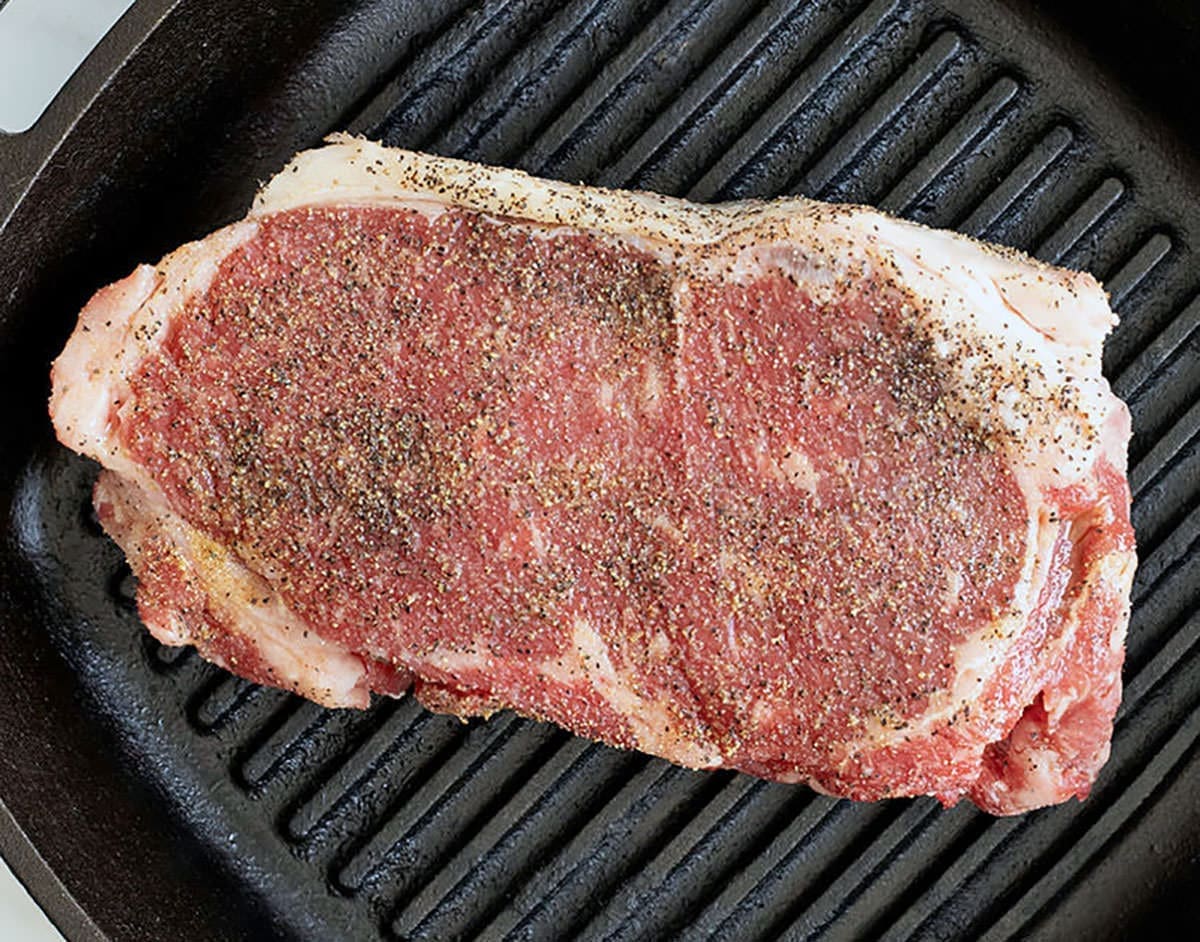
Characterized by its robust flavor, thickness and juiciness, this steak also boasts a generous fat cap. It is available in different styles, including the bife de chorizo angosto (a thinner version of the sirloin) and the bife de chorizo mariposa (a butterflied version of the sirloin).
The term Bife de Chorizo doesn’t refer to the Mexican spicy sausage, chorizo. Its name is derived from its slightly cylindrical and elongated form, which bears a resemblance to sausage. However, it has nothing to do with the sausage.
It’s similar to a New York strip steak, sirloin filet, and top loin and often featured in traditional asado dishes (barbecue), the national dishes of Argentina. In fact, it would be a great cut to use in Steak Tartare, Steak Aguachile and Beef Tataki.
Argentine Beef
Argentina is renowned for its high-quality cattle. Beef cuts have exceptionally flavorful and tender texture. As such, they don’t need an aggressive steak rub or steak sauce.
The beauty of Argentine beef lies in its simplicity. The preparation focuses on enhancing the natural flavors of the meat. The steak is seasoned with nothing more than a liberal amount of salt (and sometimes pepper), allowing the quality of the beef to shine through.
Would you like to save this?
After seasoning it’s grilled over a wood or charcoal fire. The goal is to achieve a crispy crust while keeping the inside tender and juicy, ranging from rare to medium-rare, though preferences vary.
Side Dish Ideas
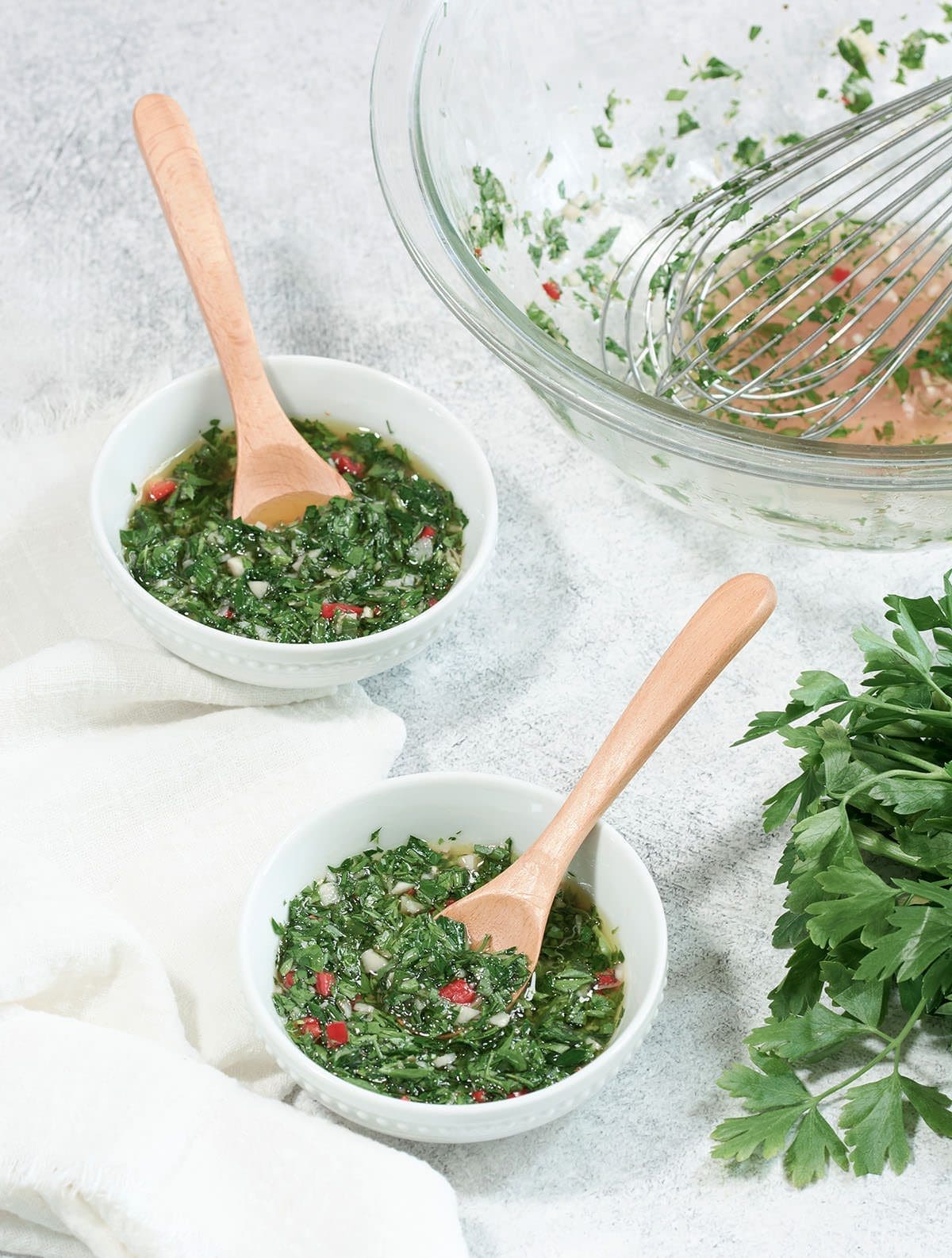
Bife de Chorizo is traditionally served with a few simple accompaniments – nothing fancy. A popular choice is chimichurri, a vibrant green sauce made from parsley, garlic, vinegar, oil, and chili flakes, which adds a fresh, herby kick to the meat. Check out the chimichurri recipe I use on my Picanha recipe and Coulotte Steak recipe. Both versions would pair beautifully with Bife de Chorizo.
Side dishes often include grilled vegetables, French fries, or a simple green salad.
Here’s a full collection of seafood and meat guides.