 Skip to content


About Chuck Roast
Looking for the best way to cook chuck roast so it turns out tender every time? You’re in the right place. This guide shows you exactly how to cook chuck roast the right way.
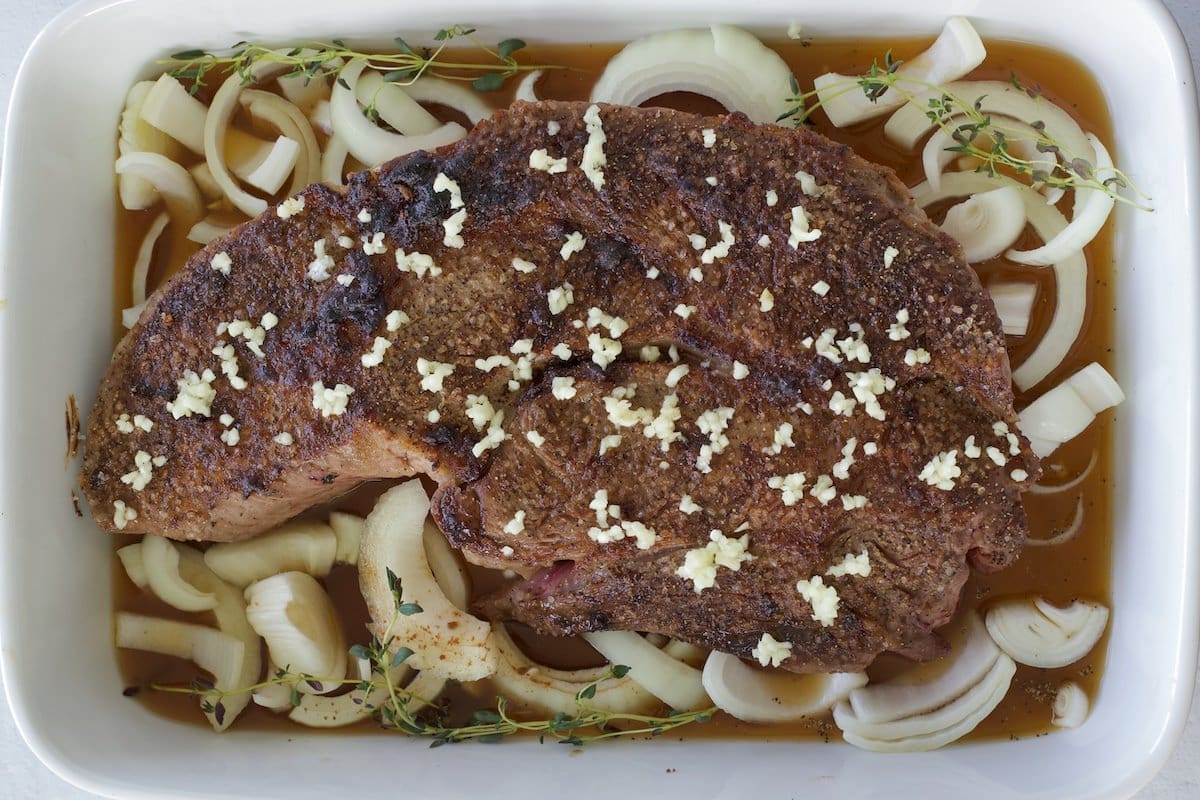
Chuck roast is one of the most flavorful and affordable cuts of beef, but it’s also one of the easiest to get wrong. Cooked too fast, it turns out tough and chewy. Cooked properly, it becomes rich, tender, and fall-apart delicious.
Here you’ll find the recipes, cooking times, and techniques we rely on to get consistent results every time. Whether you’re making oven roasted chuck roast, shredded beef for tacos, or trying a new cooking method, this chuck roast guide helps you skip the guesswork and get it right the first time.

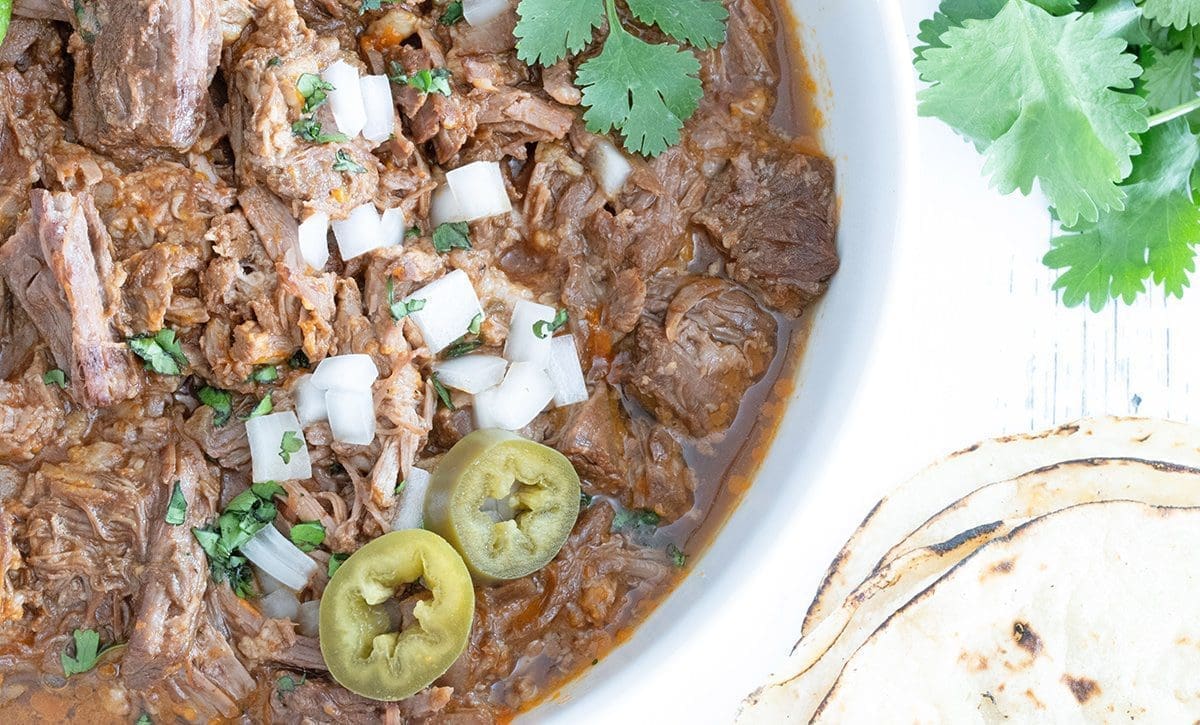
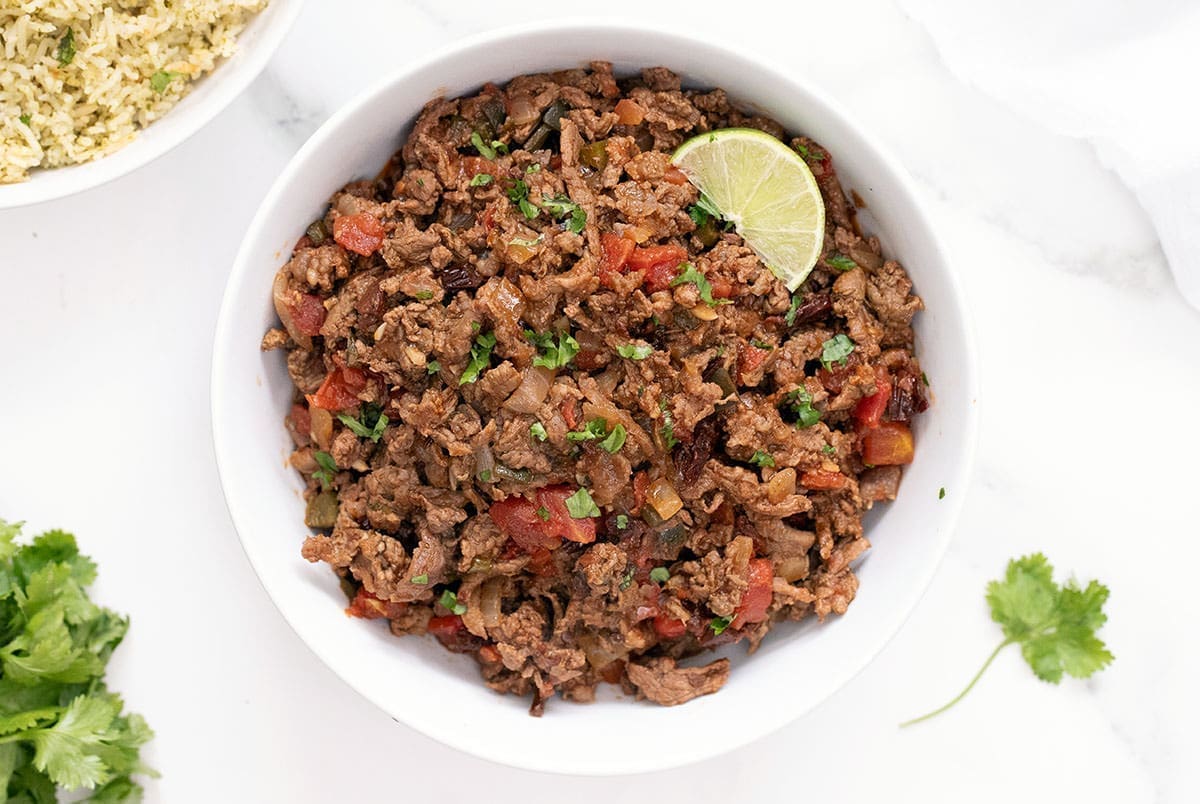


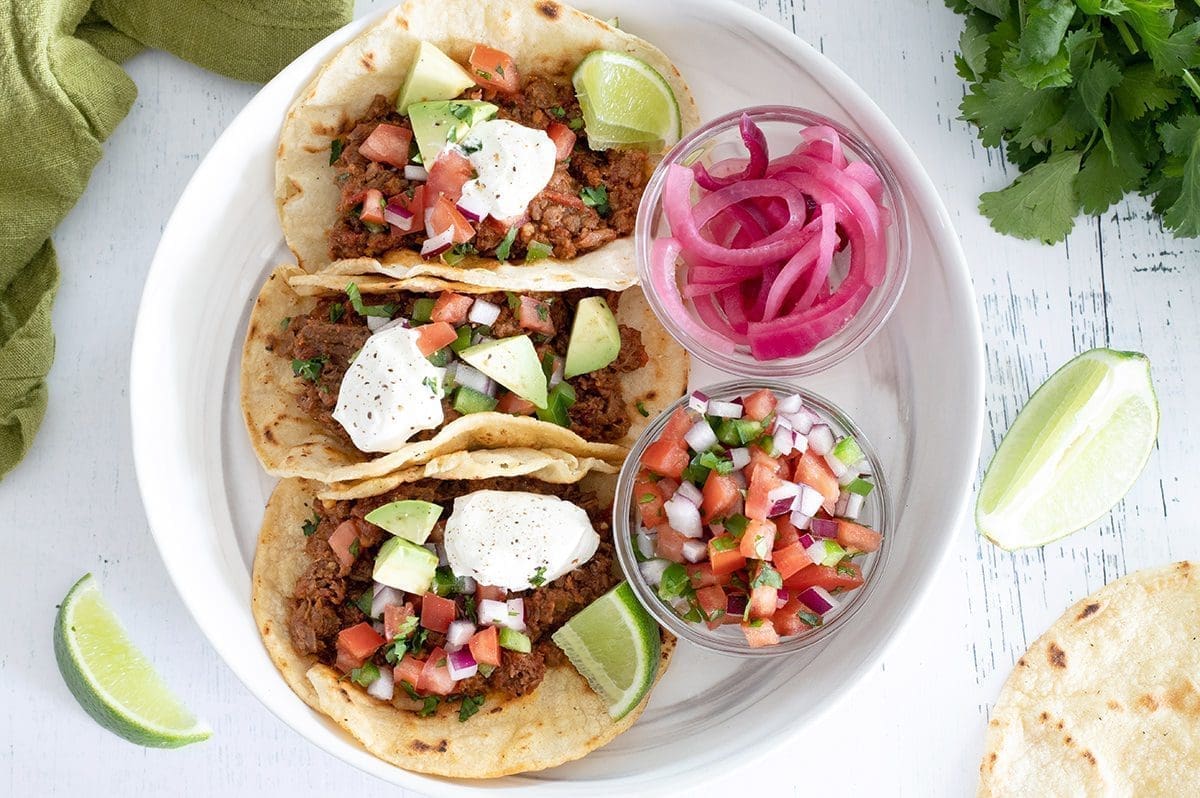
What Is Chuck Roast?
Chuck roast comes from the shoulder of the cow, a well-worked muscle that’s naturally rich in connective tissue and marbling. That combination gives it deep, beefy flavor, but it also means the roast benefits from low-and-slow cooking methods.
As the meat cooks, the connective tissue gradually breaks down, turning a tough cut into something tender and easy to shred. This is why chuck roast is ideal for braising, slow cooking, and smoking. Unlike tri tip, chuck roast contains more connective tissue and is better suited for long cooking times instead of steak-style grilling.
It’s also one of the most versatile cuts you can buy. From classic pot roast to roast beef sandwiches to shredded beef for tacos, sandwiches, and bowls, chuck roast delivers incredible flavor when cooked the right way.
Chuck roast is one of the most popular cuts for shredded beef because the marbling and connective tissue create rich, tender meat during cooking. If you want to compare it with brisket, short ribs, and other roasts, see this guide to the best cuts for shredded beef.
This is why chuck roast is often considered one of the best cuts of beef for slow cooking and making shredded beef burritos.
Chuck Roast at a Glance
- Cook low and slow for best results
- Don’t pull before 195°F
- Aim for 200–205°F for shredding
- If it’s tough, it needs more time
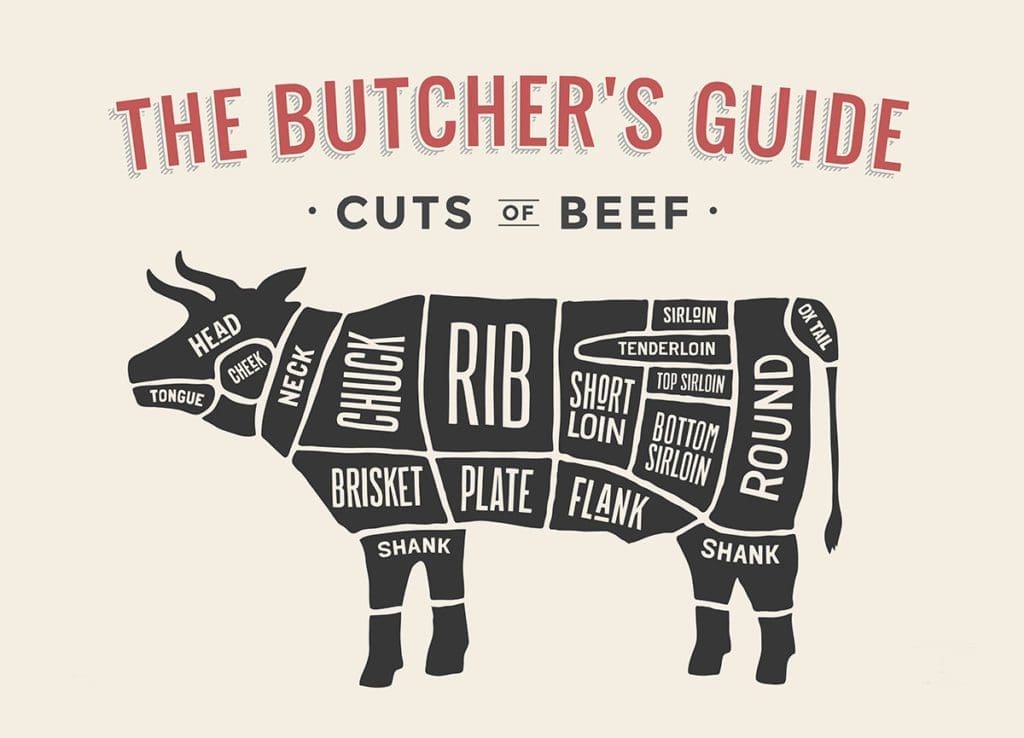
Best Way to Cook Chuck Roast
The best way to cook chuck roast depends on the result you’re after, but in most cases, low and slow cooking is the key to success. This cut needs time for the connective tissue to break down and turn tender.
For the most consistent results, oven braising is the best overall method. Cooking chuck roast in the oven at a low temperature with liquid allows it to become tender while developing rich, deep flavor. This is the go-to approach for classic pot roast. For step-by-step instructions, see how to cook chuck roast in the oven.
If you’re looking for convenience, a slow cooker is the easiest option. It requires minimal hands-on time and delivers reliable, fall-apart tender meat with very little effort.
For maximum flavor, especially a deeper, smoky profile, smoking chuck roast is a great option. It takes longer, but the added flavor makes it worth it for certain recipes.
No matter which method you choose, the goal is the same: cook the roast long enough to reach the point where it becomes fork-tender and easy to shred.
Chuck Roast Cooking Techniques
Chuck roast is one of the most versatile cuts of beef, but the method you choose makes all the difference. From slow braising in the oven to smoking chuck roast low and slow or making sous vide chuck roast, each technique delivers a different texture and flavor.
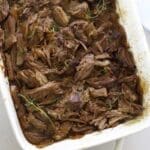


Chuck Roast Cooking Time & Temperature
Cooking chuck roast comes down to three things: time, temperature, and patience. This is a tough, well-worked cut that only becomes tender when it’s cooked long enough for the connective tissue to fully break down.
Unlike steak, chuck roast isn’t about hitting a traditional doneness like medium-rare. It needs to cook well past that stage and into a higher temperature range where the texture transforms.
- 160–180°F → tough and chewy
- 190–200°F → starting to tenderize
- 200–210°F → fully tender and easy to shred
This is where most people go wrong. They stop cooking too early.
The goal is not just a finished temperature, but a result. A properly cooked chuck roast should be fork-tender, pull apart easily, and require little to no slicing. If it still feels firm, it simply needs more time.
For method-specific timing and step-by-step instructions, see how to cook chuck roast in the oven or use a slow cooker for more hands-off cooking.
For a deeper breakdown of cooking methods, exact timing variations, and step-by-step guidance, see the full Beef Temperature Guide.
Essential Tips for Cooking Chuck Roast
Getting chuck roast right comes down to a few key techniques. This is a forgiving cut, but small mistakes like cooking too fast or pulling it too early can leave you with a tough result instead of a tender one.
Keep these fundamentals in mind for consistently tender results:
- Cook low and slow. Chuck roast needs time for the connective tissue to break down. Higher heat will make it tough instead of tender.
- Don’t pull it too early. If it’s not fork-tender, it’s not done yet. This cut improves the longer it cooks within the right temperature range.
- Use enough moisture. Braising liquid or natural juices help keep the meat from drying out during long cooks.
- Let it rest before serving. Resting allows the juices to redistribute and makes slicing or shredding easier.
Master these basics, and chuck roast becomes one of the most reliable, flavorful cuts you can cook. Use the guides below to dial in your method and get consistent results every time.



What To Serve With Chuck Roast
Chuck roast is rich, hearty, and deeply flavorful, so the best sides are the ones that balance that richness and round out the meal. Whether you’re serving it sliced or shredded, pairing it with the right combination of starches, vegetables, and fresh elements makes all the difference.
From classic comfort sides like garlic mashed potatoes, and sauteed mushrooms to lighter, brighter options like sauteed asparagus, the ideas below help you build a complete, well-balanced plate around your chuck roast.



Best Uses for Chuck Roast
Chuck roast is one of the most versatile cuts of beef, making it a go-to for a wide range of recipes. It’s especially popular in recipes that rely on slow cooking and shredding for maximum flavor, such as shredded beef enchiladas. Its rich marbling and connective tissue break down during slow cooking, creating deep flavor and tender texture that works across multiple dishes.
One of the most popular uses is a classic pot roast, where the meat is braised with vegetables until it’s fork-tender. It’s also ideal for shredded beef, which can be used in tacos, sandwiches, bowls, and meal prep recipes.
Because of its ability to become soft and pull-apart tender, chuck roast is perfect for:
- shredded beef for tacos, burritos, and quesadillas
- hearty stews and beef soups
- sandwiches like French dip or pulled beef sliders
- meal prep dishes that reheat well
It can also be sliced when cooked properly, making it a flexible option depending on how you plan to serve it.
To get the most out of chuck roast, focus on recipes that take advantage of its slow-cooked, tender texture.

How to Cook Chuck Roast Perfectly Every Time
Chuck roast is one of the most rewarding cuts of beef once you understand how to cook it properly. With the right approach, it transforms from a tough, inexpensive cut into something rich, tender, and packed with flavor.
Whether you’re learning how to cook chuck roast in the oven, using a slow cooker, or trying a new method, the key is always the same. Give it enough time, cook it at the right temperature, and let the texture guide you.
If you’ve ever struggled with how to make chuck roast tender or wondered about the best way to cook chuck roast, this guide gives you the foundation to get consistent results every time.
Start with a method that fits your schedule, follow the timing and temperature guidelines, and build from there. Once you get it right, chuck roast becomes one of the easiest and most reliable beef recipes you can make.