

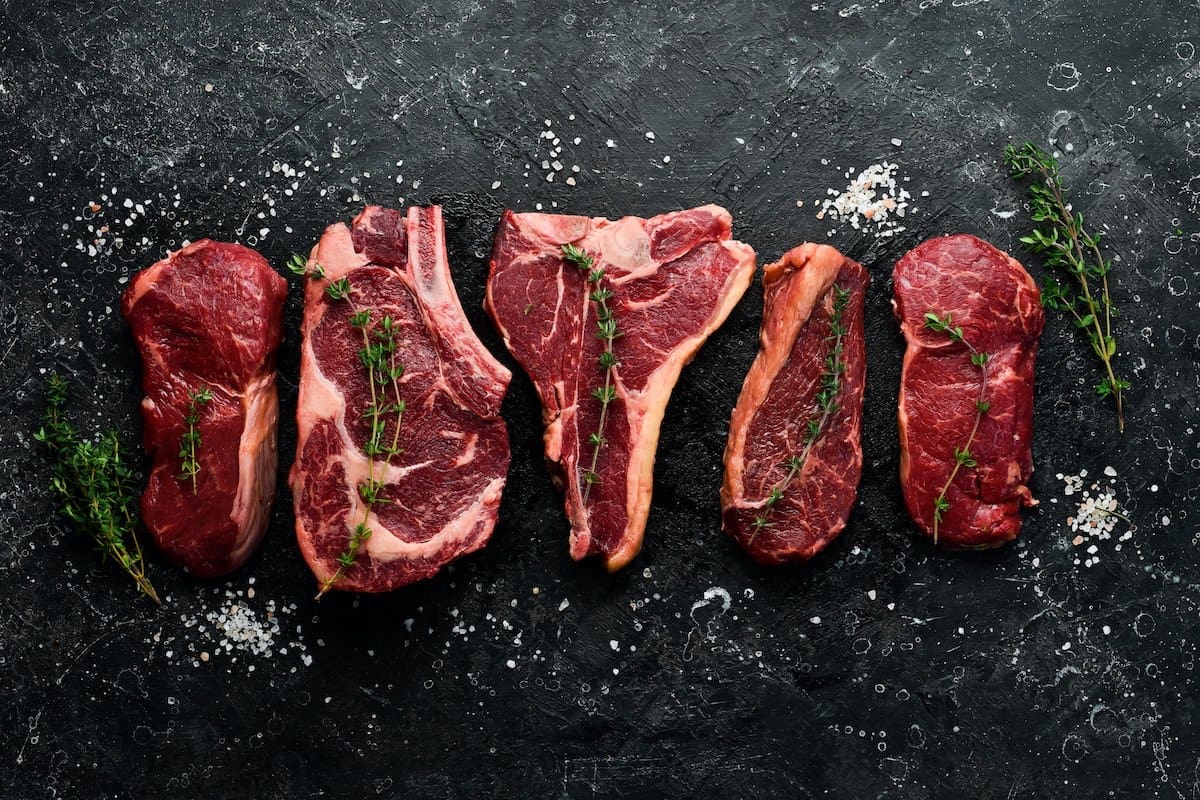
When it comes to beef, tenderness is often what separates a good steak from a great one. Whether you’re planning a steakhouse-style dinner or just want a reliable weeknight meal, choosing the right cut makes all the difference.
In this guide, I’ll break down the most tender cuts of beef, where they come from, and how to cook them so they stay juicy, flavorful, and worth every bite.
Choosing the right cut is important, but knowing how to cook and handle it properly is what truly makes the difference.
Once you’ve chosen the right cut and cooking method, the next step is selecting the right wine. My Best Wine With Steak guide explains which wines pair best with filet mignon, ribeye, New York strip, prime rib, and other popular cuts.
If you’re new to cooking beef, it’s helpful to start with easier options. See my guide to the best cuts of beef for beginners for simple, reliable choices.
While some cuts are naturally tender, others can be just as delicious with the right techniques, like learning how to tenderize beef properly or using the right cooking method.
Understanding how different cuts behave can make a big difference in the final result. For a full breakdown of where these cuts come from, check out my Guide to Different Beef Cuts, or browse more easy beef recipes and cooking tips to get the best results every time.
Choosing a naturally tender cut is the first step, but how you cook it is just as important. My complete How to Cook Steak guide covers cooking methods, steak temperatures, seasoning, resting, and techniques that help every cut reach its full potential.
Most Tender Cuts of Beef (Quick Comparison)
| Rank | Cut | Tenderness Level | Flavor | Best Cooking Method |
|---|---|---|---|---|
| 1 | Filet Mignon | Extremely tender | Mild | Pan-sear, grill, sous vide |
| 2 | Ribeye | Very tender | Rich, beefy | Grill, cast iron, sous vide |
| 3 | Prime Rib | Very tender | Rich, beefy | Roasting, reverse sear |
| 4 | Porterhouse | Very tender (two cuts) | Rich + mild combo | Grill |
| 5 | New York Strip | Tender with slight chew | Bold, beefy | Grill, sear, sous vide |
| 6 | T-Bone | Tender | Balanced flavor | Grill |
| 7 | Top Sirloin | Moderately tender | Beefy, leaner | Grill, pan-sear |
What Is the Most Tender Cut of Beef?
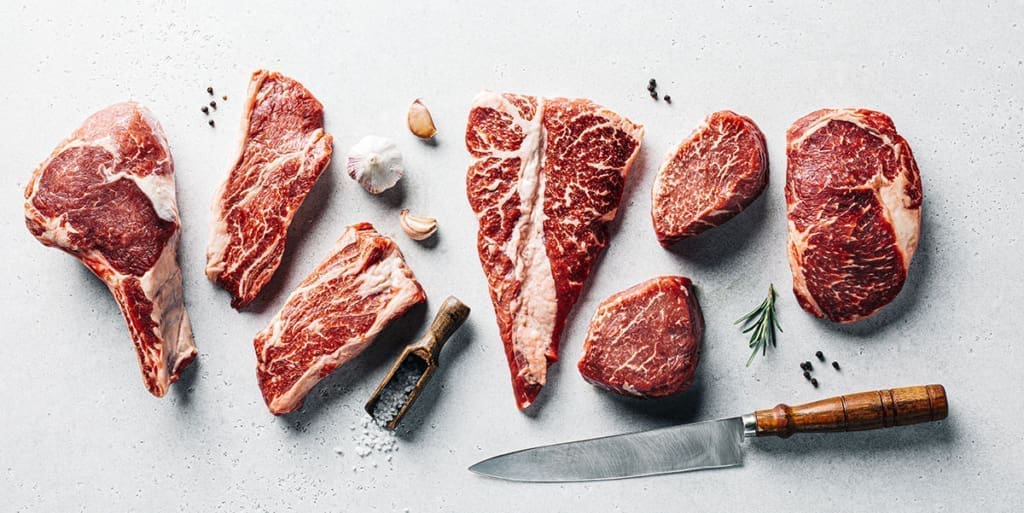
Filet mignon is widely considered the most tender cut of beef because it comes from the tenderloin, a muscle that does very little work. However, cuts like ribeye and prime rib offer a balance of tenderness and flavor thanks to their marbling, which adds richness and helps keep the meat juicy.
What Makes Beef Tender?
Tenderness isn’t random; it comes down to how the muscle is used and how the meat is structured. Cuts that come from less-worked areas of the animal naturally have a softer texture.
Even the most tender cut can become dry or tough if it’s overcooked. Once you’ve chosen your steak, my How to Cook Steak guide explains the best cooking methods, internal temperatures, and techniques for consistently tender, juicy results.
Understanding how different muscles are used is key when choosing between different cuts of beef.
- Muscle usage: Cuts from the loin and rib see less movement, making them more tender
- Marbling: Intramuscular fat adds both flavor and softness
- Grain structure: Finer grain results in a more delicate bite
- Cooking temp: Cook steak to the best steak temperature for tenderness
Quick Tip: The most tender cuts almost always come from the loin and rib sections.

1. Filet Mignon (Most Tender Cut)
Also known as: Beef tenderloin
Best for: Pan-searing, grilling, sous vide
Texture: Extremely tender and lean
If tenderness is your priority, filet mignon is the benchmark. It comes from the tenderloin of the cow, a muscle that does very little work, which is why it has that signature soft, almost buttery texture.
The trade-off is that it’s leaner than other cuts, so it doesn’t have the same rich flavor as something like ribeye. But when cooked to the proper temperature for filet, tender filet mignon, it’s hard to beat. It’s also a wonderful tender beef cut to sous vide.
Pro Tip: Keep filet mignon at medium-rare for the best texture and avoid overcooking.

2. Prime Rib (Standing Rib Roast)
Also known as: Standing rib roast
Best for: Roasting, reverse sear
Texture: Extremely tender with rich marbling
Prime rib is essentially a larger roast cut from the same section as ribeye, which means it delivers the same tenderness with even more richness.
When cooked low and slow, then finished with a high-heat sear, a perfectly cooked prime rib becomes incredibly juicy and tender with a deep, beefy flavor.
If you’re looking for step-by-step guidance, this how to cook prime rib guide breaks down the process for consistent results.
It’s one of the best options for feeding a crowd while still delivering steakhouse-quality results.
Pro Tip: Use a reverse sear method for the most even doneness and a perfect crust.

3. Ribeye
Best for: Grilling, cast iron searing, sous vide
Texture: Tender with heavy marbling
Ribeye is where tenderness meets flavor thanks to its high marbling and forgiving texture, even for beginners. It stays juicy and delivers that rich, beef-forward taste most people associate with a great steak.
It’s also one of the most forgiving cuts to cook, making it a go-to for both beginners and experienced home cooks. It’s one of the best cuts of beef for grilling thanks to its marbling and forgiving texture. It’s also a great beef cut for sous vide.

Would you like to save this?
4. New York Strip (Strip Steak)
Best for: Grilling, pan-searing
Texture: Tender with a firmer bite
The New York strip offers a balance between tenderness and structure. It’s slightly firmer than ribeye but still very tender, with a bold, beefy flavor.
This is a great choice if you want a steak that has a bit more chew while still being easy to cook.
5. Porterhouse Steak
Best for: Grilling
Texture: Combination of tenderloin and strip
The porterhouse is essentially two steaks in one: a tenderloin on one side and a strip steak on the other. It delivers both tenderness and bold flavor in a single cut.
Because of the two different muscles, it requires a bit more attention during cooking to get both sides just right.
Cooking Tip: Use indirect heat to finish so both sides cook evenly.
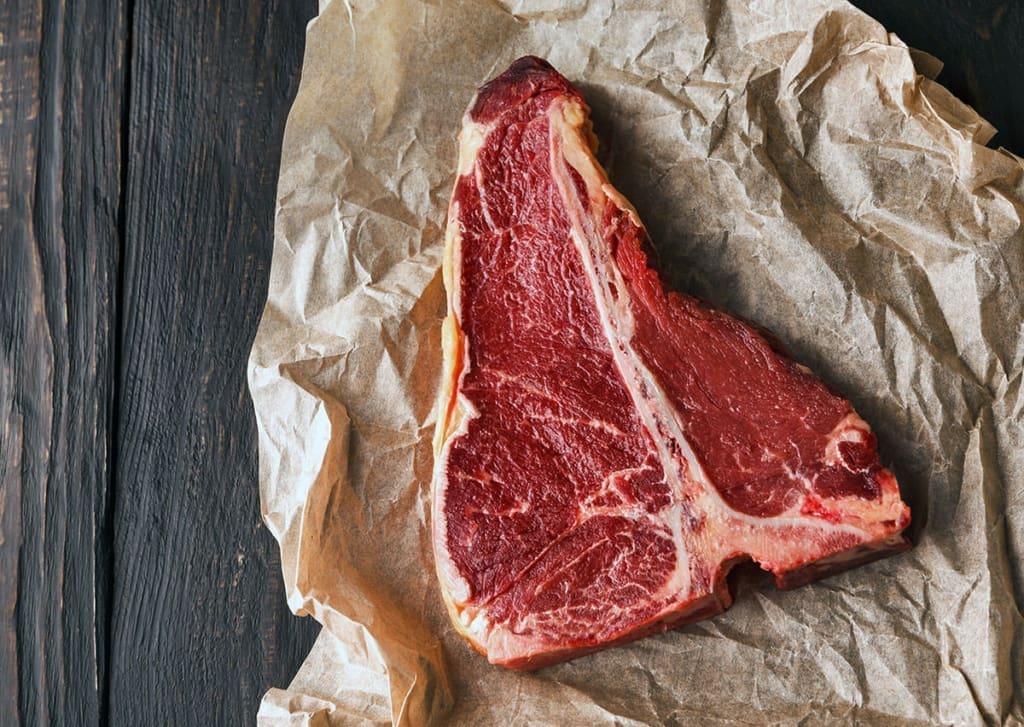
6. T-Bone Steak
Best for: Grilling
Texture: Tender with mixed textures
Similar to the porterhouse, the T-bone includes both strip steak and tenderloin, but with a smaller portion of tenderloin.
It’s a great middle-ground option that still delivers solid tenderness and flavor.

7. Top Sirloin
Best for: Grilling, pan-searing, sous vide
Texture: Moderately tender, lean
Top sirloin is a more affordable cut that still offers good tenderness, especially when cooked properly. If you’re looking for a balance between cost and tenderness, this is one of the best options for everyday cooking.
While it’s not as soft as loin cuts, it delivers strong flavor and works well for everyday cooking, making it one of the cheapest cuts of beef. I often cook top sirloin sous vide.
Cuts That Are Less Tender (But Still Worth Cooking)
Cuts that aren’t naturally soft can still become incredibly tender with the right techniques, especially if you know how to tenderize beef properly. Some of the most flavorful cuts just require a different cooking approach.
- Chuck (best for braising)
- Brisket (ideal for smoking)
- Flank steak (great when marinated and sliced thin)
Cuts like chuck and brisket become juicy and tender when cooked properly, especially when using methods like slow cooking.
With the right techniques, even these tougher cuts can become just as satisfying as premium steaks.

Best Cooking Methods for Tender Cuts of Beef
Tender cuts like filet mignon, ribeye, and strip steak are best cooked quickly over high heat using methods like grilling, pan-searing, broiling, or sous vide.
Because these cuts are naturally soft, they don’t need long cooking times. In fact, overcooking can reduce tenderness, so using the right temperature and resting the meat properly is key.
The cooking method also influences the best wine pairing. Grilled ribeye, cast-iron filet mignon, smoked tri tip, and reverse-seared strip steak all develop different flavors that pair with different wines. My Best Wine With Steak guide covers pairings by cut, cooking method, sauce, and seasoning.
The most tender cuts of beef come from the least-used muscles and are best cooked quickly over high heat, especially when you grill beef. While these premium cuts are known for their buttery texture, you don’t always need to spend more to get great results.
With the right techniques, you can make almost any cut incredibly tender and flavorful, even tougher, more affordable options.
Choosing the right cut is important, but knowing how to cook it properly is what truly makes the difference.
Related Beef Guides
If you want to get the most out of every cut of beef, check out these helpful guides:
- Temperature of Prime Rib
- Best Cuts of Beef for Beginners (coming soon)
- Cheapest Cuts of Beef (coming soon)
- Why Is My Chuck Roast Tough (coming soon)