 Skip to content


This sous vide filet mignon takes as little as one hour in the water bath, followed by a quick two-minute sear for a deeply browned crust.
My tested secret ingredient is Better Than Bouillon. I started using it while experimenting with different ways to season smoked steaks, and it works especially well as a thin seasoning paste for filet mignon.
It isn’t required, but it adds concentrated beef flavor and helps give the steak a richer color after searing. I also use it when making Smoked Chuck Roast, Sous Vide Sirloin Filet and Sous Vide London Broil.
You can even use it when making Baked Filet Mignon.
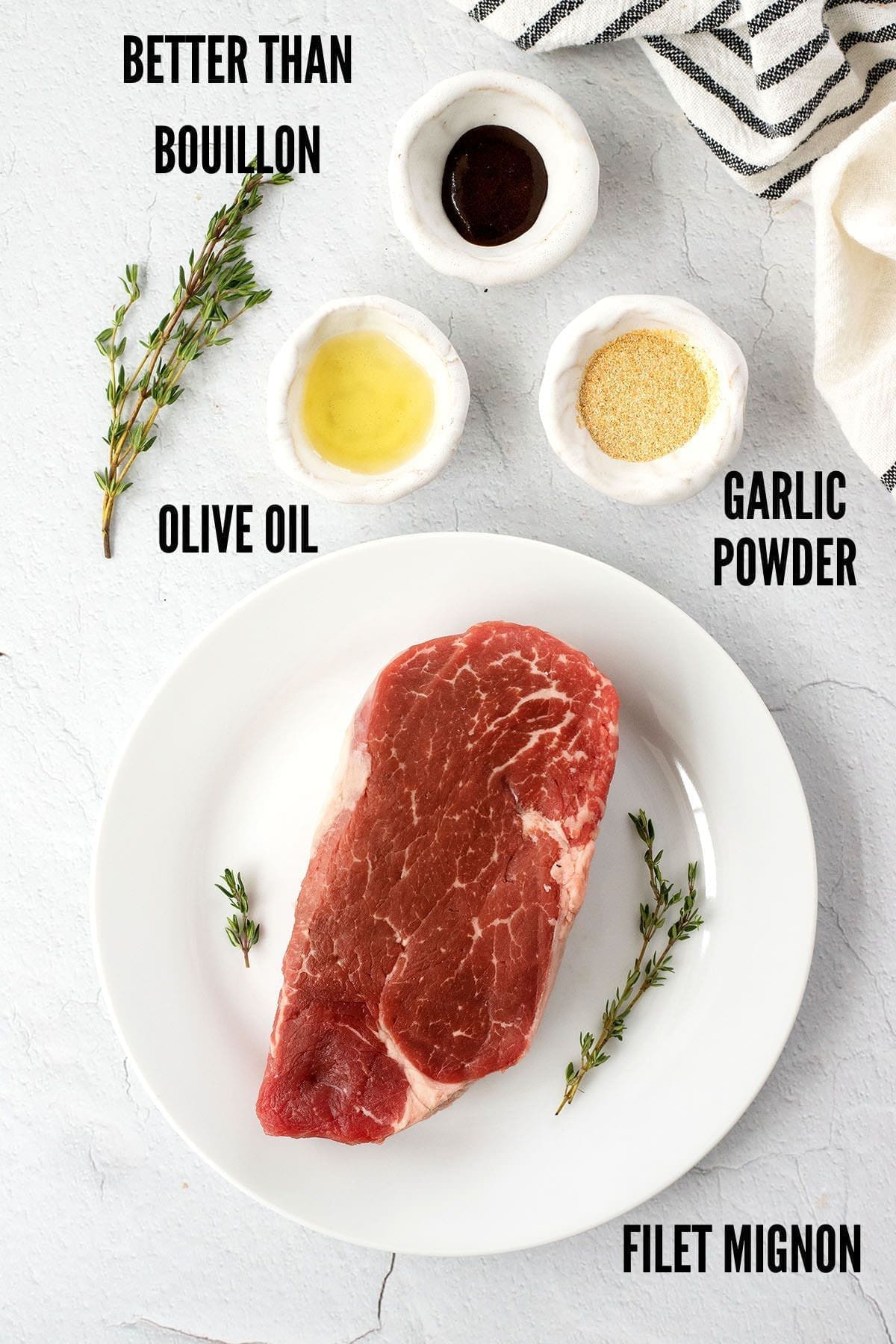
Sous Vide Filet Mignon Recipe
This sous vide steak recipe lets the natural beef flavor shine by keeping the seasonings and aromatics simple. Filet mignon comes from beef tenderloin, one of the most tender cuts of beef, making it especially well suited to this cooking method.
Other than Better Than Bouillon, the only spices I add are garlic powder, black pepper and kosher salt. But, you do you! Season away.

Sous Vide Method
Sous vide means “under vacuum” in French. The method involves sealing food in a bag and cooking it in a temperature-controlled water bath. Because the water stays at a precise temperature, filet mignon cooks evenly from edge to edge without the thick gray band that can develop with conventional high-heat cooking.
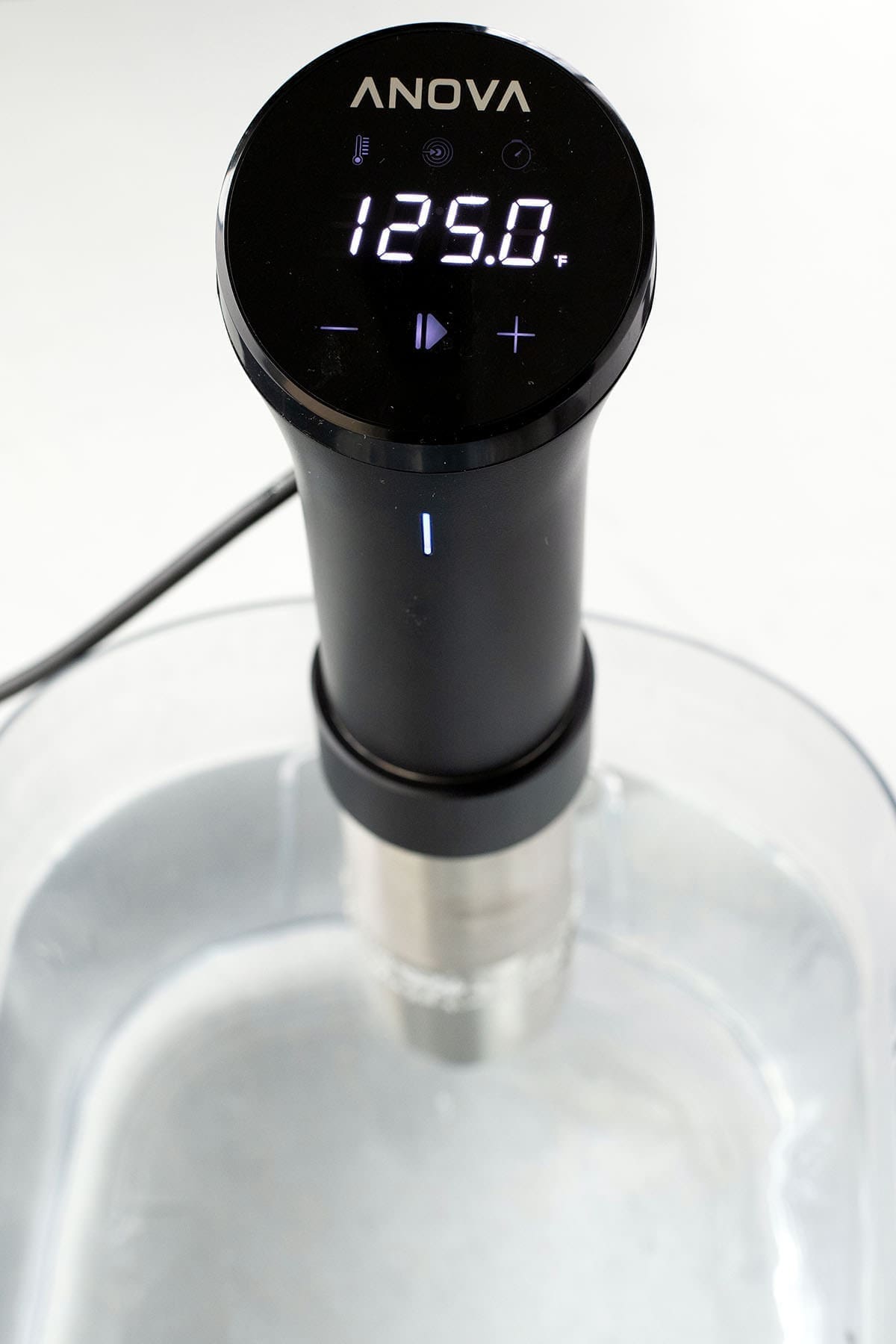
When testing and cooking sous vide recipes I utilize this exact Anova Immersion Circulator; it has two years of heavy use and is still going strong. Check out my list of recommended Sous Vide Equipment for more tips.
More Sous Vide Beef Recipes to check out: Sous Vide Carne Asada, Sous Vide Ribeye, Sous Vide Prime Rib and Sous Vide Tri Tip.
How To Sous Vide A Filet
Only a few short steps stand between you and your perfect steak sous vide.
Step 1 – Pre-heat the sous vide water bath to your preferred temperature (consult the temperature chart below) using a sous vide immersion circulator.
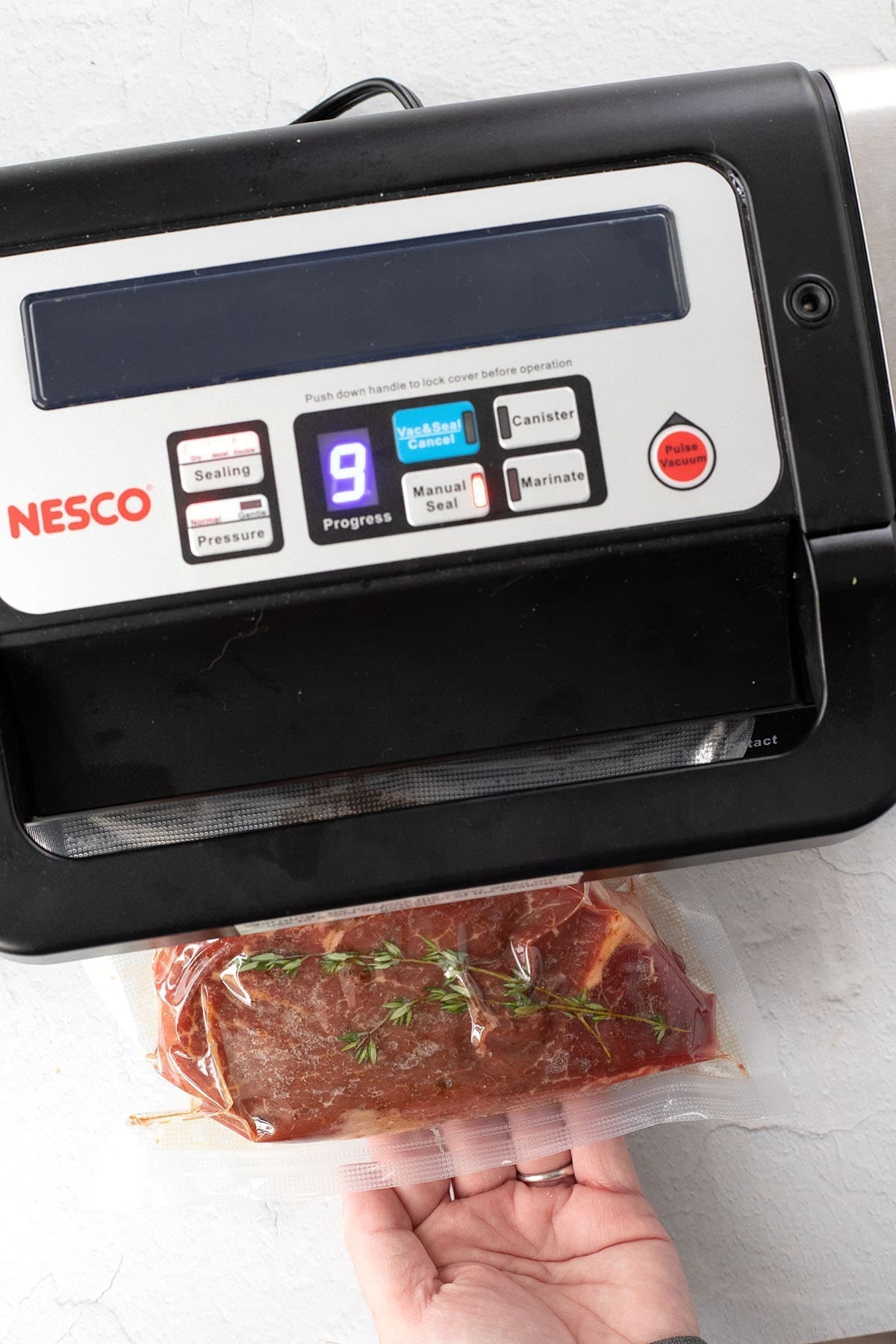
Step 2 – Prepare the steak by adding the selected spices or sous vide marinade you’re going with. Once seasoned/marinated, add the seasoned steak to the sous vide bag and vacuum seal.
Step 3 – Lower the sealed filet into the preheated water bath and cook according to its thickness. Temperature determines the steak’s level of doneness, while time determines how long it takes the center to reach that temperature.

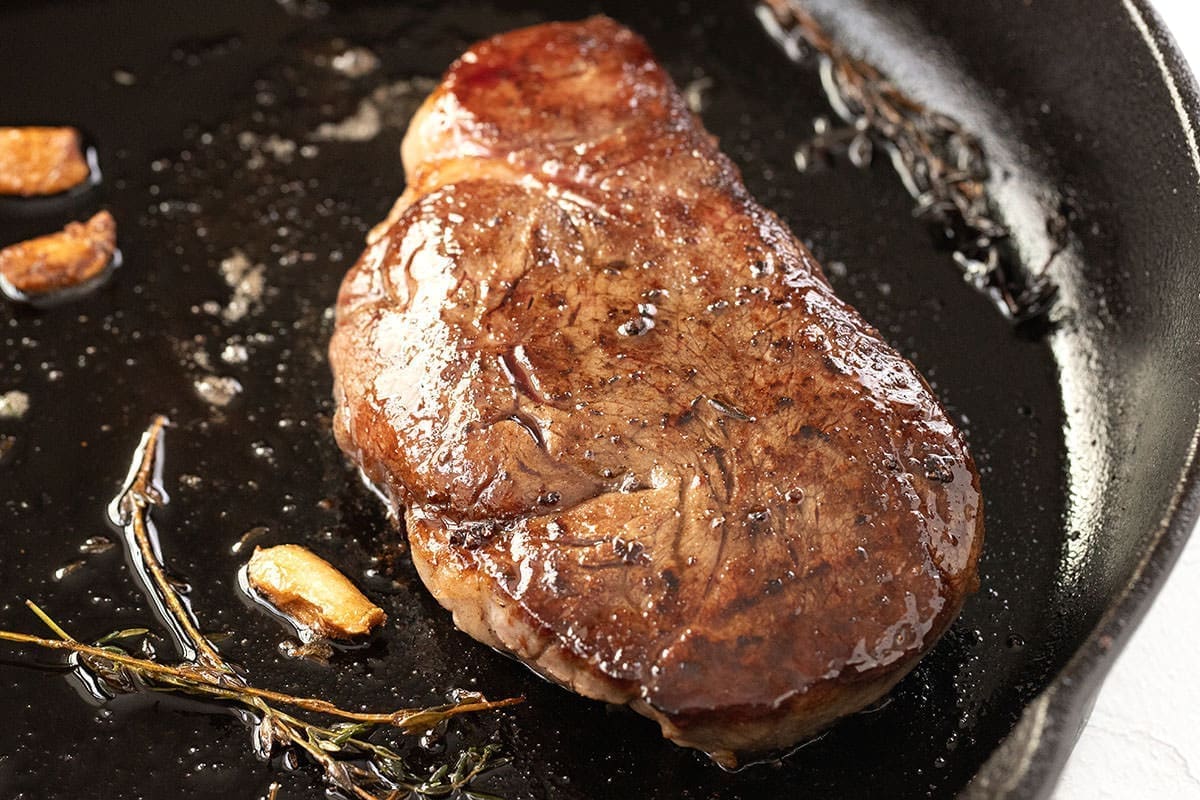
Step 4 – Remove the filet from the bag and pat it completely dry with paper towels. Sear it in a very hot skillet with a high-smoke-point oil for 45–60 seconds per side, just until a deeply browned crust develops.
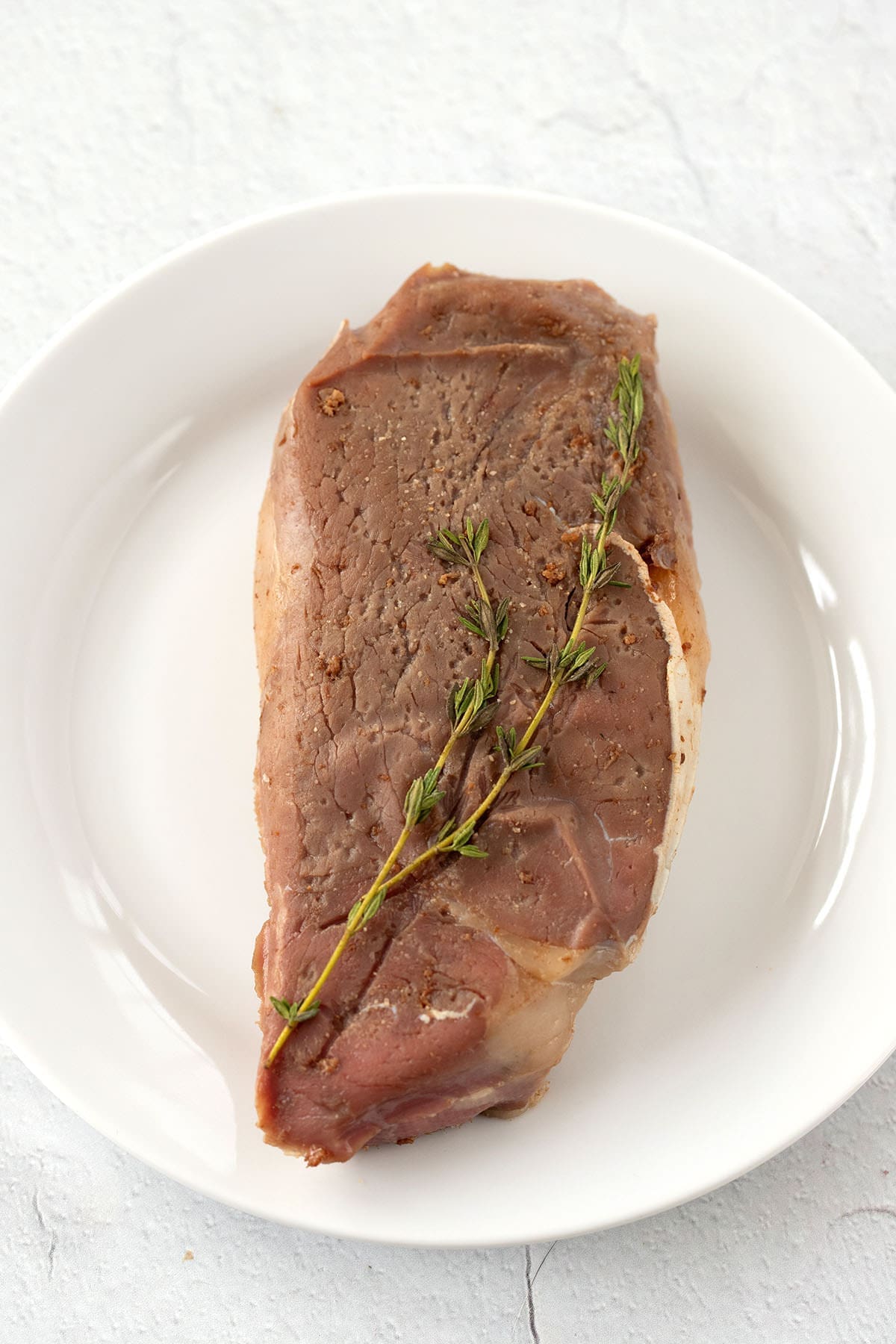
Pan Seared Filet Mignon
While I highly recommend pan searing the filet mignon, after pulling it from the water, it’s not required. This cooking method cooks steaks at the perfect temperature to serve. You’ll just set the sous vide machine to the exact temperature you want to serve it at.
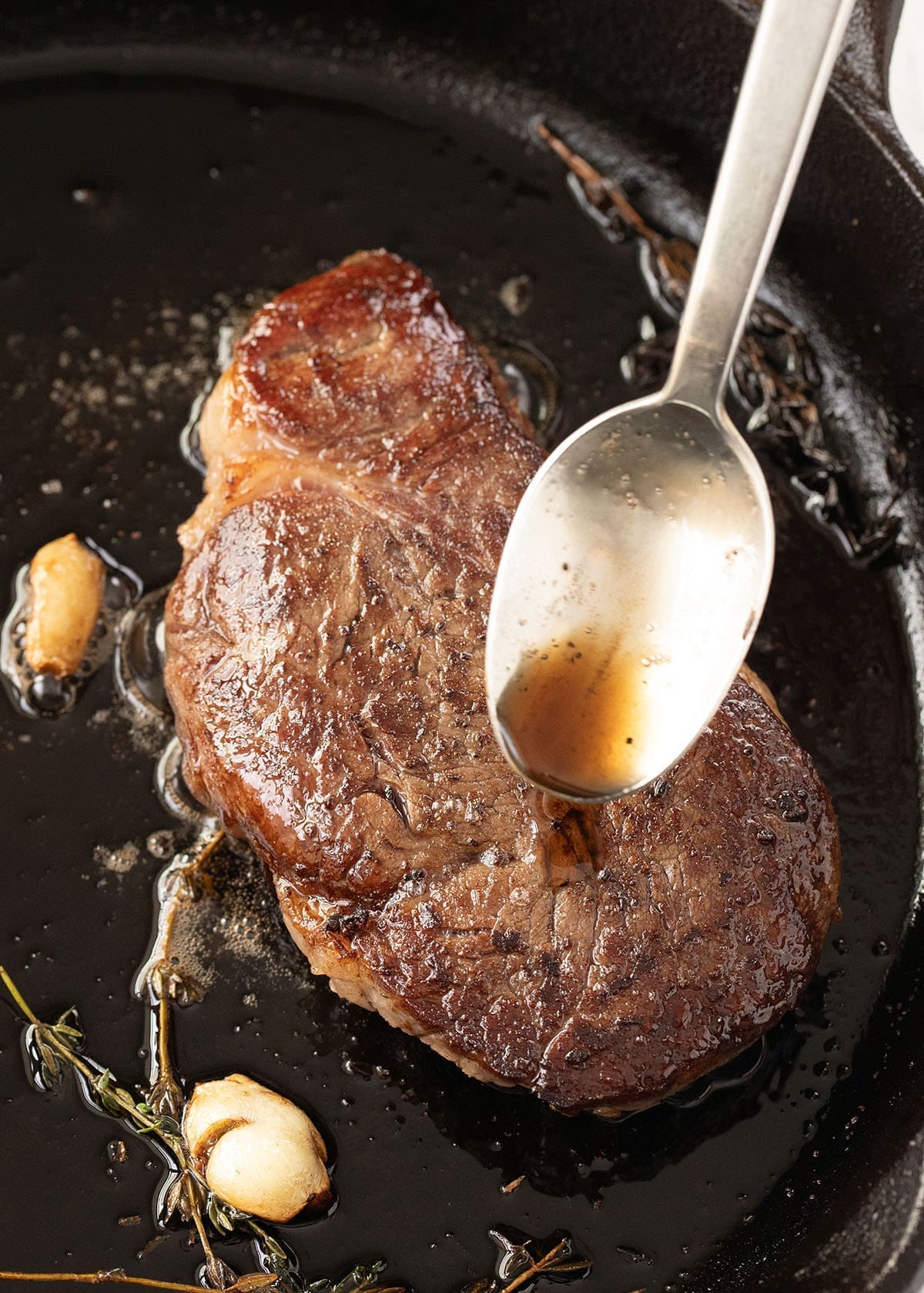
Preheat a cast-iron skillet over high heat until very hot. Add a small amount of avocado oil, then sear the filet for 45–60 seconds per side. During the final 30 seconds, reduce the heat slightly and add a pat of butter or Truffled Butter. Tilt the skillet and spoon the melted butter over the steak.
Temperature
Reverse searing filet mignon steaks will increase the temp by 5° or so, so keep that in mind when setting up your water bath.
FOOD SAFETY TIP: If you cook your sous vide filet mignon below 130°F, it should only be in the water for up to 2.5 hours. Any longer and you risk running into food safety issues.
- Rare: 120°F to 128°F
- Medium-Rare: 129°F to 134°F
- Medium: 135°F to 144°F
- Medium-Well: 145°F to 155°F
- Well Done: 156°F +
Check out our free printable Filet Mignon Temperature Chart for quick reference.
How Long To Sous Vide Steak?
Cooking time is based primarily on the thickness of the filet, while the water temperature determines doneness. For filet mignon measuring 1½–2 inches thick, allow approximately 1–4 hours in the water bath.
- Rare: 1-2.5 hours
- Medium–Rare: 1-4 hours
- Medium: 1-4 hours
- Medium Well: 1-3.5 hours
- Well Done: 1-3 hours
Food safety note: Do not hold steak below 130°F for longer than 2½ hours. The USDA recommends cooking whole beef steaks to 145°F followed by a three-minute rest. Lower temperatures are common in sous vide cooking but do not follow the USDA’s standard consumer temperature recommendation.
Equipment
Sous vide cooking does require some equipment. Here’s what you’re looking at:
- Sous Vide Immersion Circulator – Any brand will work! I use the popular Anova Immersion Circulator.
- Vacuum Sealer
- Vacuum Seal Bags – You can always use a Ziploc bag and use the water displacement method, if desired.
- Sous Vide Food Container – I use this sous vide food container for my sous vide steak recipes.
- Cast Iron Skillet – You only need a cast iron pan if pan searing.

Aromatics
Throw some aromatics in the bag for added flavor, if you like. Here are a few ideas: fresh thyme, rosemary, oregano, onion, shallots, etc. Sous vide does bring out the concentration of herbs, so use sparingly compared to your normal amount.
Would you like to save this?
Steak Sauces
Filet mignon doesn’t need much, but a good sauce can turn it into a proper steakhouse dinner. Try one of these:
Of course a sprinkle of Truffled Salt will add a ton of richness as well.

Recipe Notes
- You can cook a frozen steak. There’s no requirement to thaw them first. Simply extend the cooking duration by one hour to ensure they defrost completely.
- Searing creates a lot of smoke. Turn on the exhaust fan and open a window before heating the skillet.
- Make sure to do a thorough job patting dry the sous vide steak with paper towels. To get a good pan-seared crust, the steak needs to be dry.
- Keep the steak fully submerged so it cooks evenly. If the bag floats, reseal it or use a sous vide weight to hold it beneath the water.
- If your sous vide bag floats, either try to re-seal or utilize something to weight it down. You can always invest in some sous vide weights.
Side Dish Ideas
Here are some amazing side dish ideas I often serve with beef:

Drink Pairing Recommendations
For date night or Valentine’s Day, pair sous vide filet mignon with Cabernet Sauvignon, Merlot, Pinot Noir, Malbec or a Bordeaux blend. Filet is leaner and more delicate than ribeye, so it works especially well with a medium-bodied red that won’t overwhelm the steak.

Sous Vide Filet Mignon


Ingredients
USING BETTER THAN BOUILLON
- 1 filet mignon steak
- 1-2 tsp Better Than Bouillon, Beef Flavor (*Note 1)
- ½ tsp garlic powder
- 1-2 sprigs rosemary or thyme (optional)
NOT USING BETTER THAN BOUILLON
- 1 filet mignon steak
- ½ tsp olive oil
- 1 tsp kosher salt
- ½ tsp garlic powder
- ¼ tsp black pepper
- 1-2 sprigs rosemary or thyme (optional)
PAN SEARING (OPTIONAL)
- 1 tbsp olive oil
- 1 tbsp unsalted butter
- 2 cloves garlic, smashed
- 2 sprigs rosemary or thyme
Instructions
- Pre-heat the water bath to your preferred doneness (*Note 2) using a sous vide immersion circulator.
- Using Better than Bouillon – Pat dry the steak with a paper towel. Coat the filet with Better than Bouillon and garlic powder. Place the filet in a vacuum-seal bag (in a single layer if making more than 1), add 2 springs of rosemary or thyme (optional) and close using a vacuum sealer or water displacement method.Not Using Better than Bouillon – Pat dry the steak with a paper towel. Coat the filet with olive oil then kosher salt, black pepper and garlic powder. Place the filet in a vacuum-seal bag (in a single layer if making more than 1), add 2 springs of rosemary or thyme (optional) and close using a vacuum sealer or water displacement method.1 filet mignon steak, 1-2 tsp Better Than Bouillon, Beef Flavor, ½ tsp garlic powder, 1-2 sprigs rosemary or thyme (optional)
- Transfer the vacuum bag to the water bath and cook for 60 minutes minimum. Reference the time chart in the post or notes to see what the max. time is. (*Note 3)
- After the filet is finished cooking, remove the bag from the water bath. Carefully remove the filet from the bag and pat dry. Discard any juice that accumulated, unless you're using to make an au jus.
Reverse Sear
- Add butter and oil to a cast iron skillet and pre-heat over medium-high heat until it's scorching hot (it will start to smoke a little). This will take approx. 3-5 minutes. (*Note 4)1 tbsp unsalted butter, 1 tbsp olive oil
- Add the garlic cloves and rosemary/thyme springs to the skillet, quickly followed by the filet.2 cloves garlic, smashed, 1-2 sprigs rosemary or thyme (optional)
- Sear each side of the filet for 45 seconds. While searing, tip the pan a little so the butter collects on one side of the pan. Use a spoon to baste the steak with the melted butter. Continue to scoop and pour the butter over the steak until it's ready to flip.
- Turn off the stove and transfer the steak to your plate, season as desired. Enjoy immediately as there is no need to rest the steak.
Notes
- Rare Ribeye: 120°F to 128°F
- Medium-Rare Ribeye: 129°F to 134°F
- Medium Ribeye: 135°F to 144°F
- Medium Well Ribeye: 145°F to 155°F
- Well Done Ribeye: 156°F +
- Rare: 1 – 2.5 hours*
- Medium-Rare: 1 – 4 hours
- Medium: 1 – 4 hours
- Medium Well: 1 – 3.5 hours
- Well Done: 1 – 3 hours