

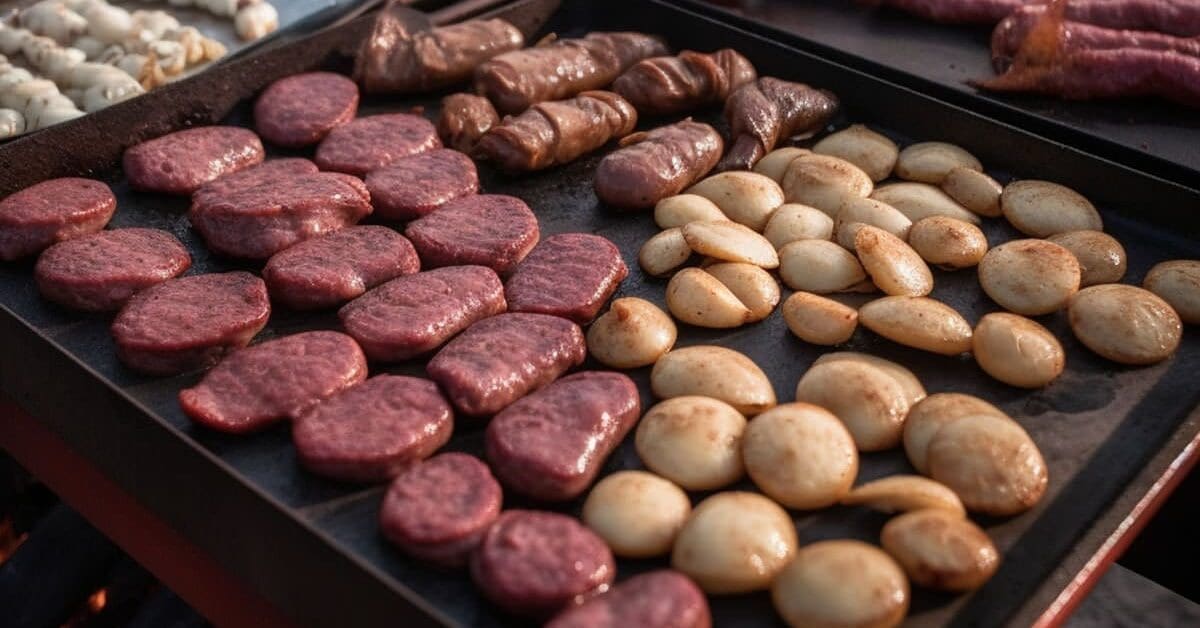
By using this printable griddle cooking temperature chart as a guide, when making Blackstone recipes, you can ensure that a variety of foods are cooked to perfection with the right texture and flavor.
Below is a comprehensive griddle cooking temperature chart, including some tips on how to use it effectively for different types of food. Remember practice makes perfect, and the more you cook with your griddle, the better you’ll get at controlling the temperature and timing for your favorite dishes.
Make sure to print out this free printable griddle cooking temperature chart for easy reference.
The Importance Of Temperature
Temperature is one of the most critical factors in cooking food on a griddle. The recommended temperature varies depending on the type of food you’re cooking. If you’re new to griddle cooking, referencing a temperature chart is essential to ensure your food is cooked to the right temperature.
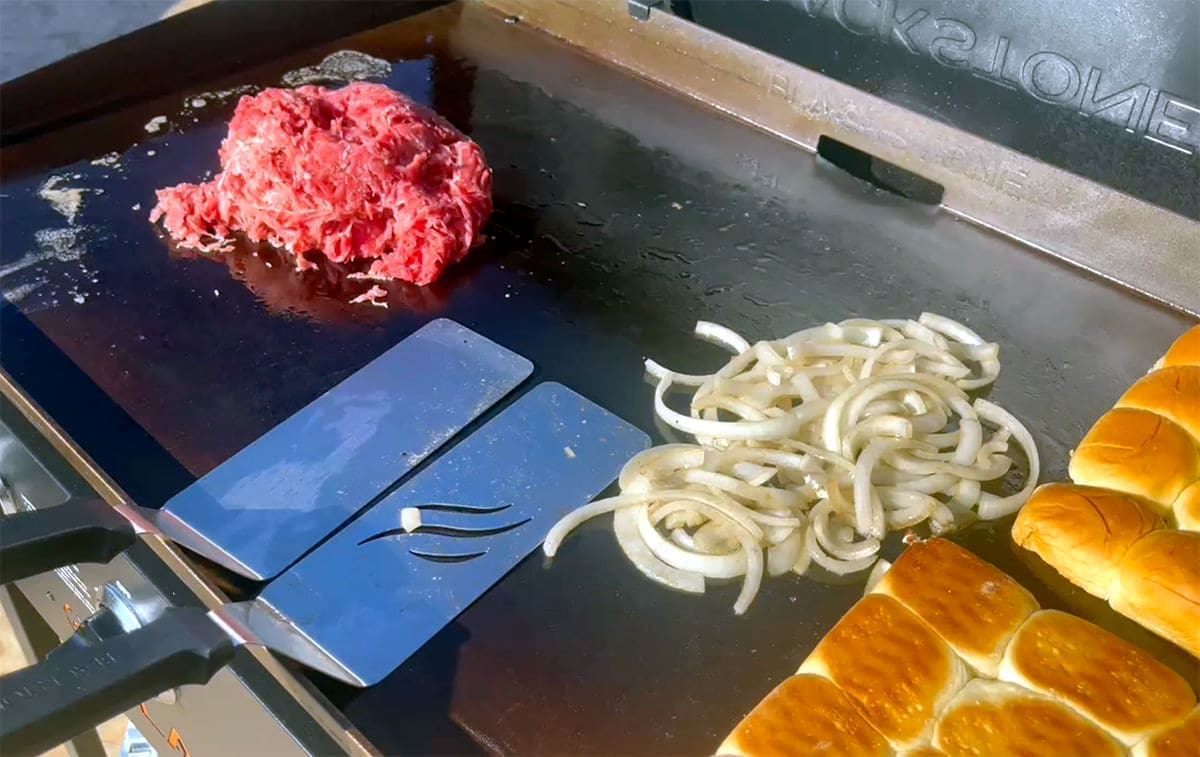
Blackstone Griddle
While using a Blackstone grill, or any other brand of electric griddle or gas griddle, and cooking a new ingredient for the first time, I always reference this free printable before cooking to set myself up for success.
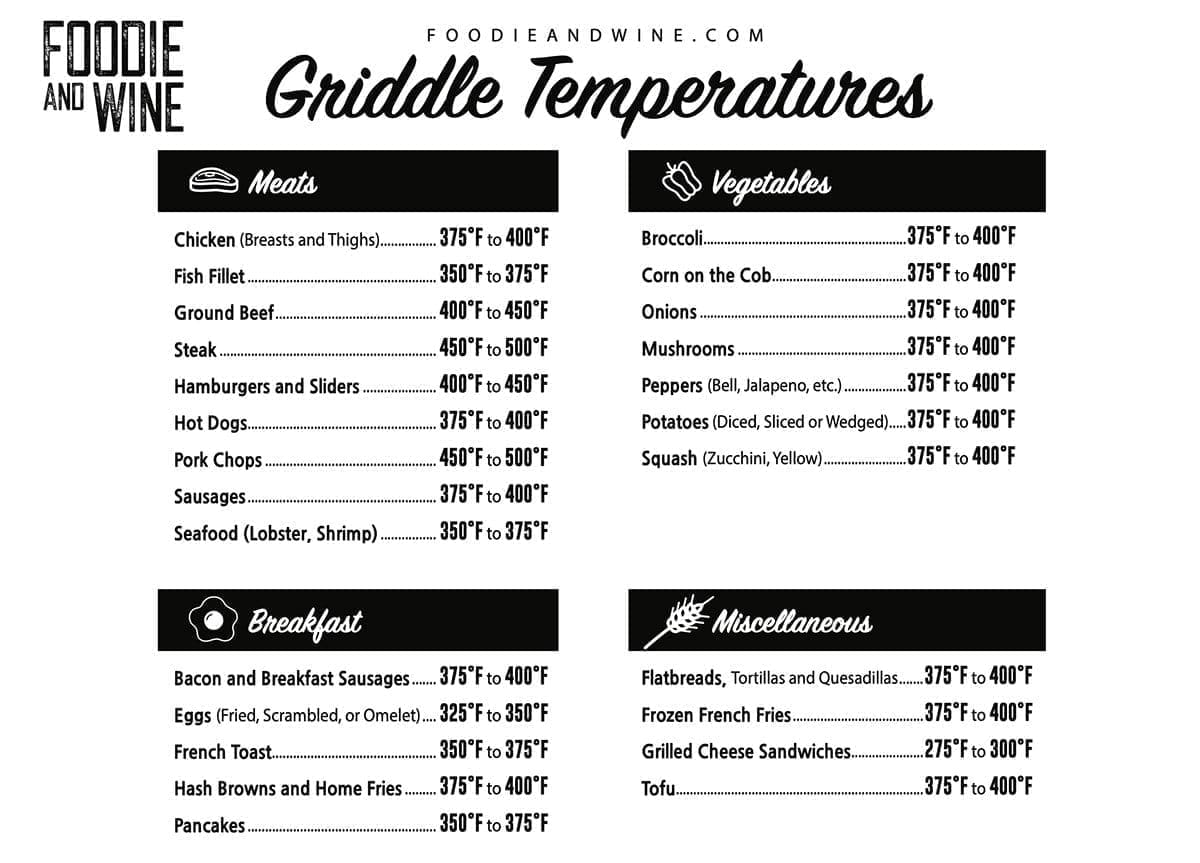
Printable Griddle Cooking Temperature Chart
Here are the recommended temperature for various types of food made on the griddle. Best way Make sure to test the temperature of your griddle if you’re unsure of the various settings, with a digital meat thermometer.
MEATS
- Chicken (Breasts and Thighs) – 375°F to 400°F
- Fish Fillet – 350°F to 375°F
- Ground Beef – 400°F to 450°F
- Steak – 400°F
- Hamburgers and Sliders – 400°F to 450°F (Hamburger Temperature Chart)
- Hot Dogs – 375°F to 400°F
- Pork Chops – 450°F to 500°F
- Sausages – 350°F to 375°F
- Seafood (Lobster, Shrimp) – 350°F to 375°F (Shrimp Cooked Temperature Chart)
BREAKFAST
- Bacon and Breakfast Sausages – 350°F to 375°F
- Eggs (Fried, Scrambled, or Omelets) – 325°F to 350°F
- French Toast – 350°F to 375°F
- Hash Browns and Home Fries – 375°F to 400°F
- Pancakes – 375°F to 400°F
VEGETABLES
- Broccoli – 375°F to 400°F
- Corn on the Cob – 375°F to 400°F
- Onions – 375°F to 400°F
- Mushrooms – 375°F to 400°F
- Peppers (Bell, Jalapeno, etc.) – 375°F to 400°F
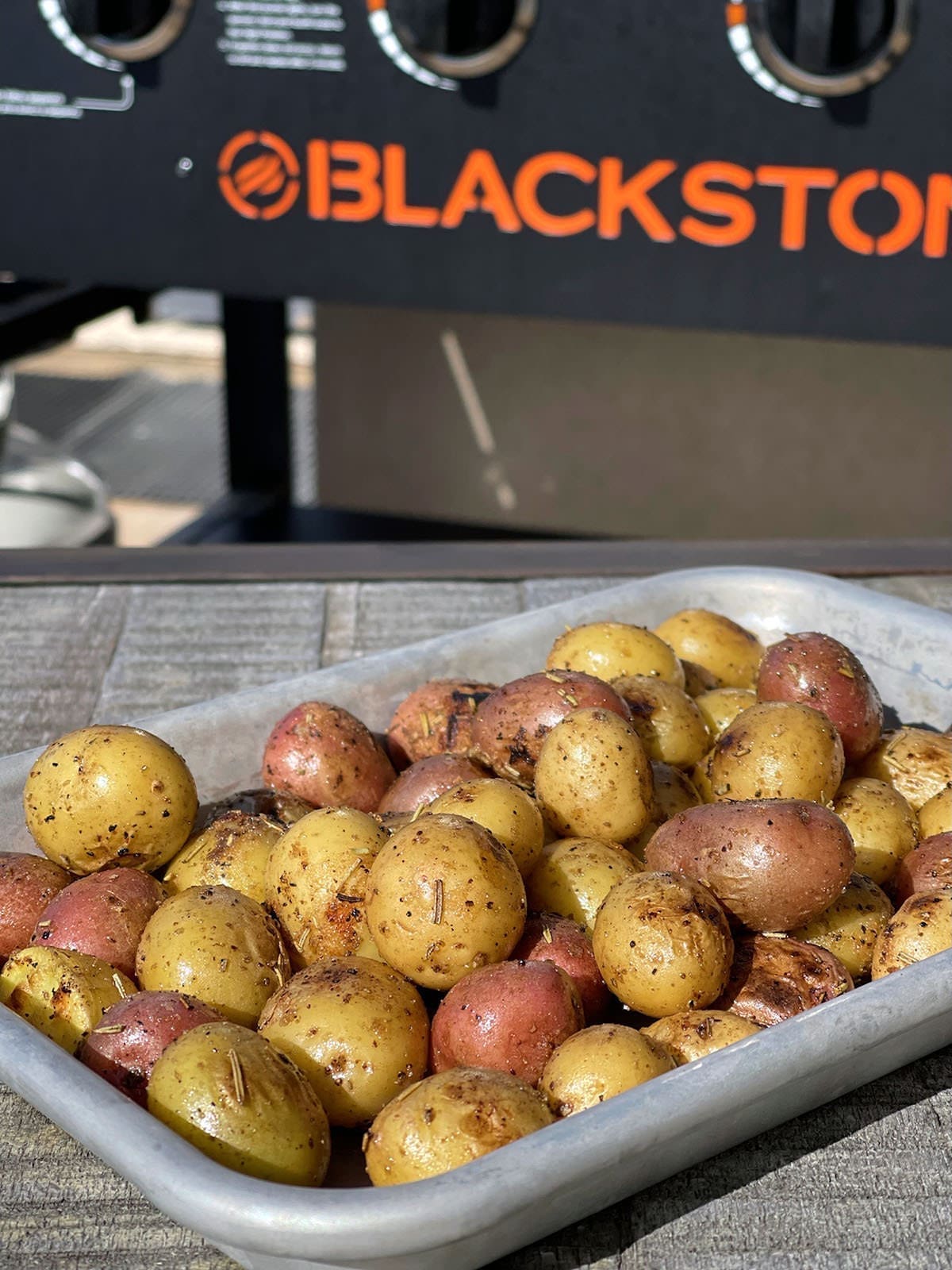
- Potatoes (Diced, Sliced or Wedged) – 375°F to 400°F
- Squash (Zucchini, Yellow) – 375°F to 400°F
MISCELLANEOUS
- Flatbreads, Tortillas and Quesadillas – 375°F to 400°F
- Frozen French Fries – 375°F to 400°F
- Grilled Cheese Sandwiches – 275°F to 300°F
- Tofu – 375°F to 400°F
Download our free temperature chart for quick reference when grilling.
Blackstone temperature knobs control the overall heat output of the griddle. Typical settings range from “Low” to “High,” with various markings in between to provide more precise temperature control. Here’s a general guidelines to go by when cooking:
Cooking On A Griddle
Low Heat – Often used to keep food warm or to toast bread.
Medium Low Heat – Recommended for “easy to burn” recipes like pancakes or eggs.
Medium Heat – Great for cooking meat and popular basics – burgers, chicken breast, and vegetables.
Medium High Heat – Perfect temperature for searing a cut of meat like beef steaks or pork chops.
High Heat – This high temperature is usually used for cleaning and seasoning the flat top grill.

Would you like to save this?
Griddle Temperature Zones
In addition to the temperature knobs covered above, griddles often have different temperature zones, particularly the larger size griddles. It’s essential to know the cooking surface closest to the heating element will be hotter. Use this to your advantage by cooking foods that require higher heat in the hotter zones and foods that need gentler heat in the cooler zones. Cooking times will be impacted by where on the griddle you cook.
To locate these hot spots, squat down in front of the griddle when on and look where the flames are hitting on the griddle. These are the “hot spots”, while the areas farthest away from the flames run cooler. Knowing when the heat source lands on the griddle is paramount to an accurate temperature.
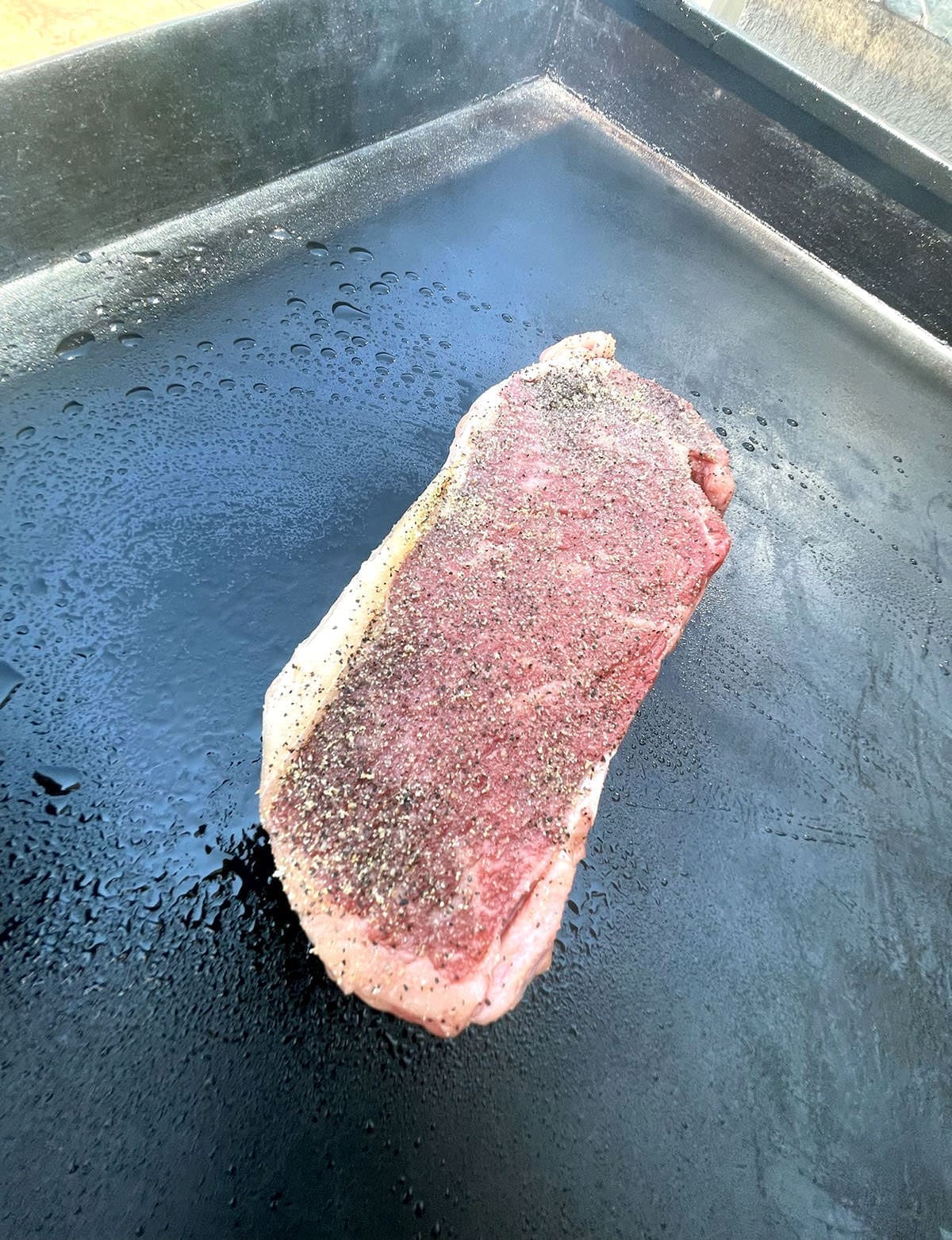
Tips for Perfect Griddle Cooking
For best results, here are some tips to help you with the cooking process
- Preheat the Griddle – Always pre-heat the griddle for 10-15 minutes before cooking. A properly preheated griddle ensures even cooking and helps prevent sticking.
- Oil the Surface – Lightly oil the griddle surface before cooking to prevent sticking and to achieve a crispier texture on the food.
- Use a Thermometer – If your griddle doesn’t have temperature settings, use an infrared thermometer to check the surface temperature.
- Avoid Overcrowding – Don’t overcrowd the griddle. Leave space between items to ensure even cooking and to allow for the steam to escape.
- Control Smoke Point – Be mindful of the smoke point of the oils you’re using. Butter and olive oil have lower smoke points and can burn at higher temperatures, while canola oil and avocado oil have higher smoke points suitable for high-temperature griddle cooking. I tend to favor avocado oil.
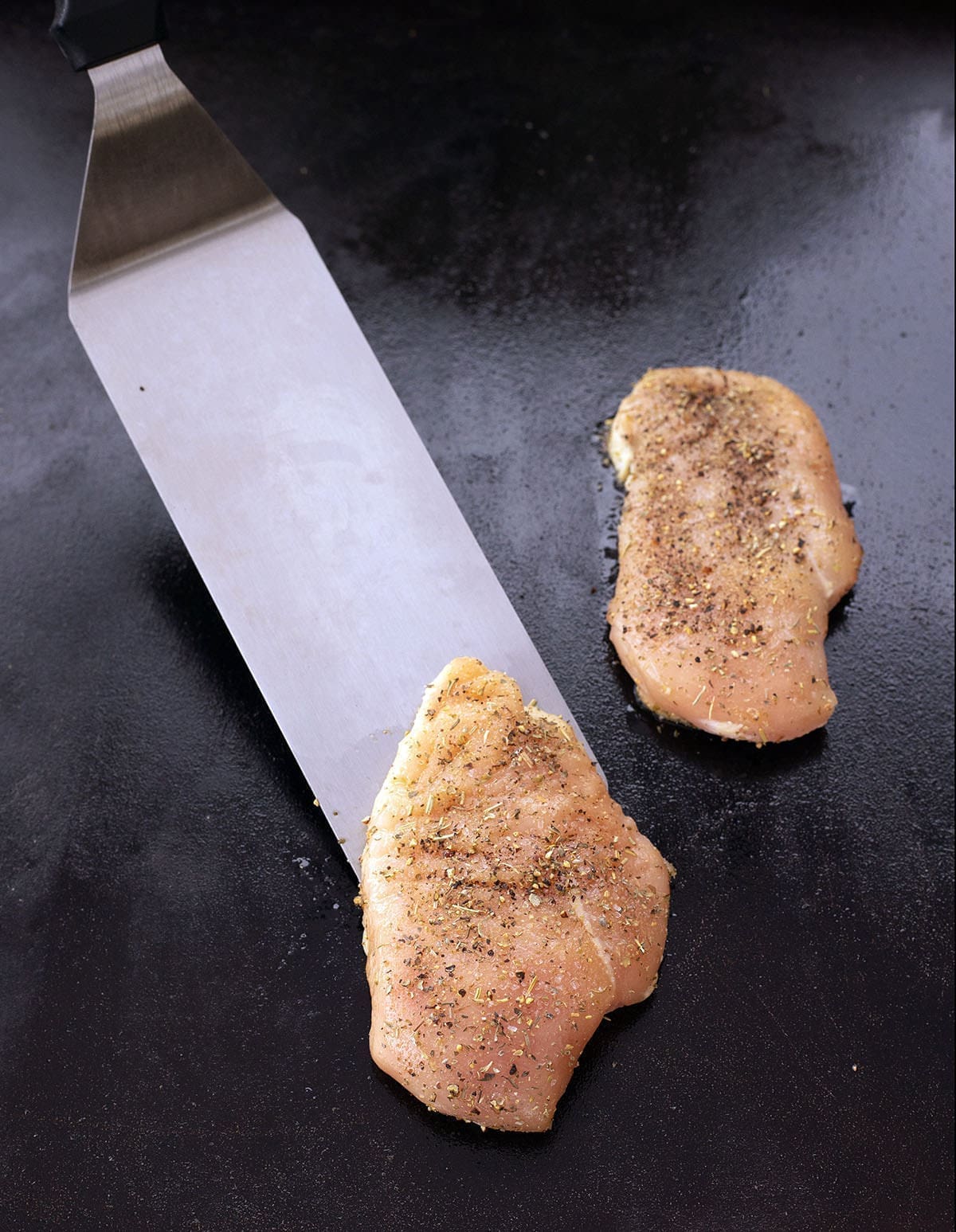
Adjusting for Desired Doneness
The temperatures listed in the printable griddle cooking temperature chart are generally aimed at cooking foods to a standard level of doneness. For example, steak at 400°F (204°C) will typically reach medium-rare if cooked for 4-5 minutes per side. If you prefer a different level of doneness, you’ll need to adjust the cooking time while keeping the temperature relatively constant.
Griddle Recipes
Here are a few of our favorite Blackstone recipes:
Meat Temperature Chart
Here are more food temperature charts to download and print. to reference when figuring out the best griddle cooking temperatures and cook time. Nothing beats a handy chart when learning a new cooking style.