


If your queso turns out grainy instead of smooth and creamy, you are not alone. We’ve all been there! I mean, take a look at my picture above. One minute it looks perfect, and the next it separates into a gritty, oily mess.
The good news is that grainy queso is almost always fixable, and it is even easier to prevent once you know what causes it. Heat, cheese choice, and liquid ratio all play a role in whether queso stays silky or turns grainy.
If you are still deciding what cheese to use, check out this guide to best cheeses for a smooth queso dip. Choosing the right blend is one of the easiest ways to avoid texture problems from the start.
After testing dozens of queso recipes, from stovetop versions to smoked queso on the grill, I found that texture problems almost always come down to heat and cheese choice. Cheddar alone tended to turn grainy when overheated, while blends with white American or Monterey Jack stayed consistently smooth and creamy.
For a broader overview of queso styles, cheese options, preparation methods and serving ideas, visit my complete queso guide.
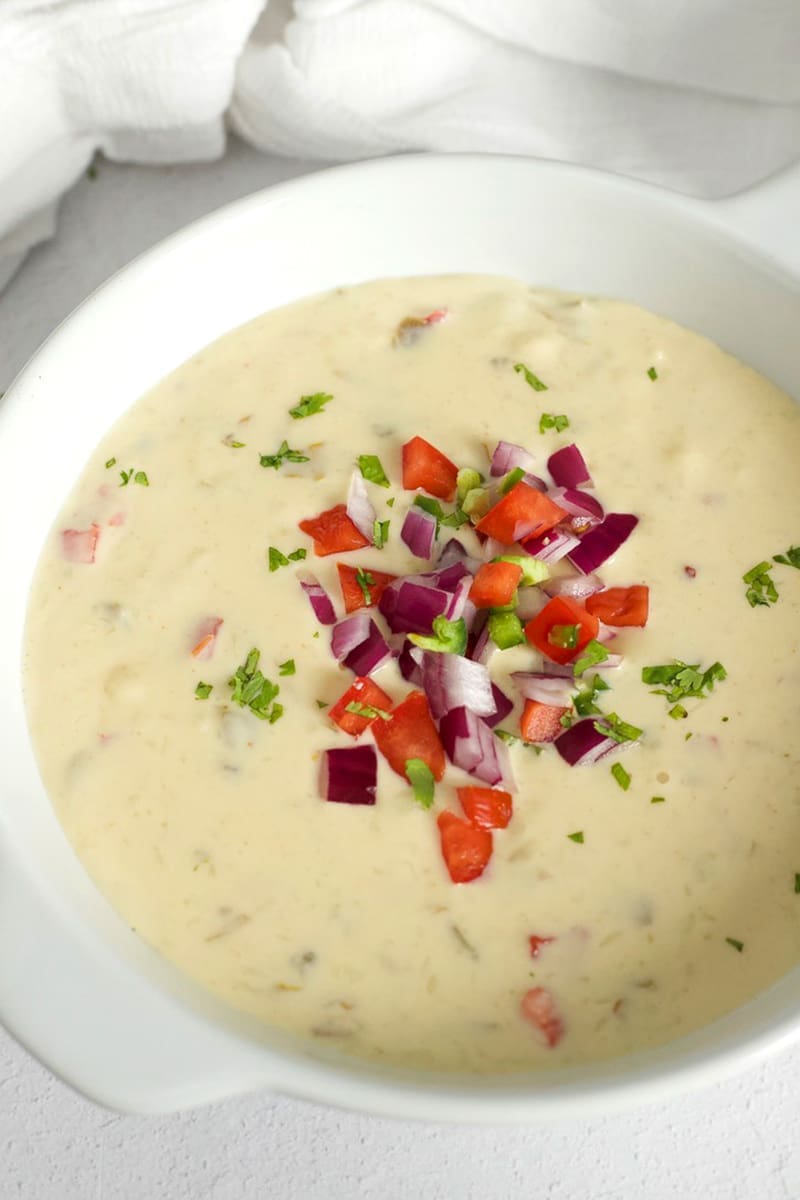
Why Is My Queso Grainy?
Quick answer: Queso usually turns grainy because the cheese gets too hot, the wrong type of cheese is used, or there is not enough liquid to keep it smooth. Aged cheeses, high heat, and pre-shredded cheese are the most common causes.
Why Queso Turns Grainy (and How to Fix It)
| Problem | What Happens | How to Fix It |
|---|---|---|
| Heat is too high | Cheese separates into oil and solids | Lower heat and stir in warm milk or cream |
| Wrong cheese used | Dry or aged cheese turns gritty | Use cheeses that melt smoothly like white American or Monterey Jack |
| Pre-shredded cheese | Does not melt evenly | Use freshly shredded cheese |
| Not enough liquid | Queso becomes thick and clumpy | Add milk, cream, or evaporated milk |
| Added cheese too fast | Uneven melting and texture | Add cheese gradually while stirring |
| No emulsifier | Sauce breaks easily | Use sodium citrate or a small amount of processed cheese |

Most Common Reasons Queso Turns Grainy
- The heat is too high
- The cheese is too aged or too dry
- You used pre-shredded cheese
- There is not enough milk or cream
- You added the cheese too quickly
- The queso stayed on the heat too long
When cheese overheats, the proteins tighten and release fat, which causes the sauce to break. That is when queso starts looking grainy, oily, or gritty instead of smooth and creamy.
What Causes Queso to Get Grainy?
Too Much Heat
High heat is the number one reason queso turns grainy. Cheese melts best over gentle heat. If it gets too hot, it can separate into solids and oil almost immediately.
This is especially common when queso is left in a hot skillet, cooked too long, or reheated too quickly.
Using the Wrong Cheese
Not all cheeses melt smoothly. Sharp cheddar, Parmesan, and other aged cheeses have less moisture and are more likely to turn grainy. Higher-moisture cheeses like white American, Monterey Jack, Pepper Jack, Oaxaca, and Velveeta are much more forgiving.
If you want a full breakdown, see which cheeses work best for queso before making your next batch.
Pre-Shredded Cheese
Pre-shredded cheese often contains anti-caking agents that keep it from clumping in the bag, but those same ingredients can keep it from melting smoothly in queso. Freshly shredded cheese usually creates a better texture.
Not Enough Liquid
Queso needs enough liquid to stay silky. Milk, half-and-half, cream, or evaporated milk help loosen the cheese and keep it emulsified. Without enough liquid, queso can tighten up and become clumpy or grainy.
Adding Cheese Too Fast
Adding all the cheese at once can make it harder to melt evenly. For the smoothest texture, add cheese gradually and stir between additions.

What Is Sodium Citrate and Why It Works
Sodium citrate is a food-safe emulsifying salt that helps cheese melt smoothly without separating. It works by stabilizing the proteins in cheese so they do not tighten up and release oil when heated.
This is one reason processed cheeses like Velveeta melt so well in queso. If you want a smoother homemade queso using natural cheese, sodium citrate can help create that same creamy, stable texture.
Would you like to save this?
How to Use Sodium Citrate for Queso
To use sodium citrate in queso, dissolve it into your liquid before adding the cheese:
- Use about 1 teaspoon sodium citrate per 1 cup of liquid
- Warm the liquid and stir until dissolved
- Add shredded cheese gradually while stirring
This method helps create an ultra-smooth queso that is much less likely to turn grainy or oily.
Sodium Citrate Ratio for Queso
Use this simple ratio as a guide to keep your queso smooth, creamy, and resistant to separating.
| Liquid Amount | Sodium Citrate | Cheese Amount (Approx.) |
|---|---|---|
| 1 cup | 1 teaspoon | 1½ to 2 cups |
| 2 cups | 2 teaspoons | 3 to 4 cups |
| 3 cups | 1 tablespoon | 4½ to 6 cups |
Pro tip: For the smoothest results, dissolve the sodium citrate completely in warm liquid before adding cheese, and keep the heat low while stirring.
These same tips aren’t just for queso. They also help keep my smoked jalapeño popper dip smooth and creamy, especially when using freshly shredded cheese and cooking over low heat.
How to Fix Grainy Queso
If your queso has already turned grainy, you may still be able to save it:
- Lower the heat immediately
- Stir in a splash of warm milk or cream
- Whisk gently until the sauce smooths out
- Add a small amount of white American cheese or Velveeta
- Remove the pan from direct heat before continuing to stir
If the queso is only slightly grainy, adding a little more warm liquid and stirring off the heat is often enough to improve the texture.
When to Fix Queso vs Start Over
At a certain point, not all queso can be saved. Here’s how to tell whether it’s worth fixing or better to start over:
Not all grainy queso can be fully restored, so it helps to know when it is worth fixing and when it is better to start fresh.
Try to fix it if: the queso is only slightly grainy, still creamy underneath, or has just started to separate.
Start over if: the queso is very thick, clumpy, oily, or has clearly separated into curds and grease.
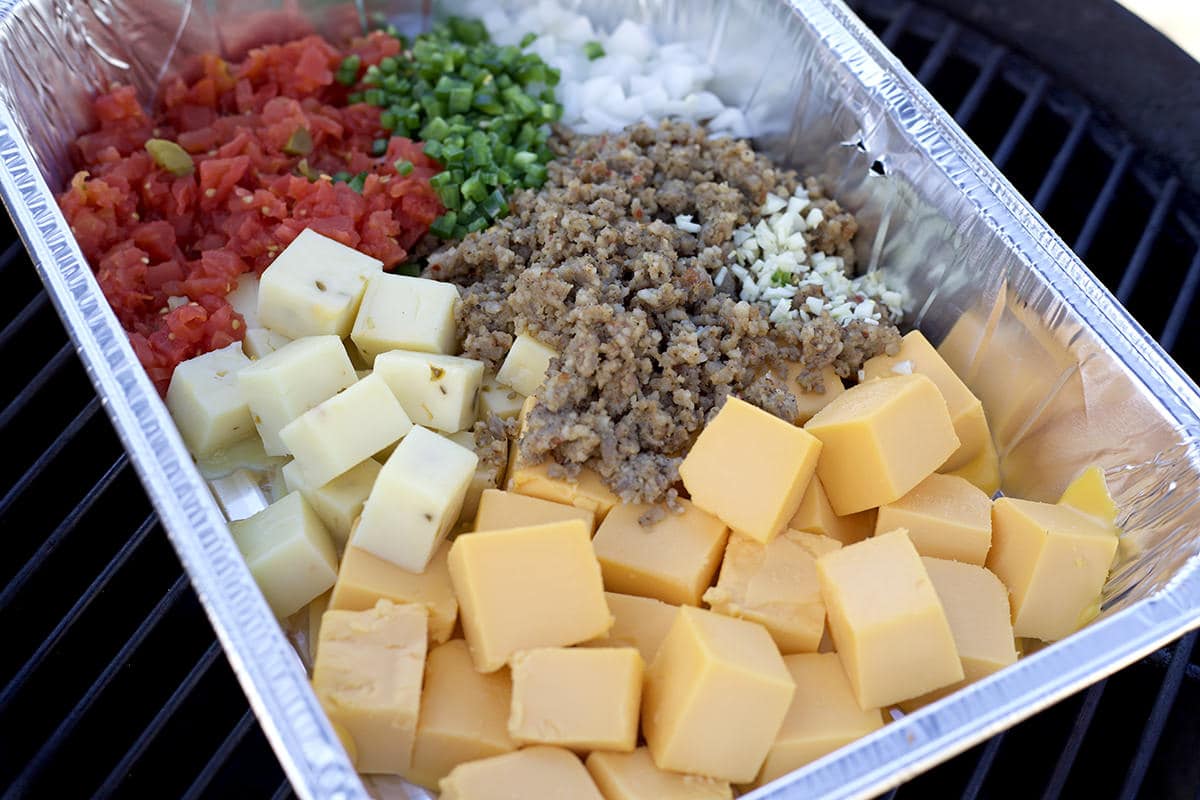
How to Prevent Grainy Queso
The easiest way to avoid grainy queso is to make a few small adjustments before you start cooking:
- Use low heat
- Choose cheeses that melt well
- Skip pre-shredded cheese when possible
- Add enough milk or cream
- Stir often, but gently
- Add cheese a little at a time
- Do not boil the queso
If you are making a baked or smoked version, low and steady heat matters even more. See this smoked cheese dip for a recipe that builds flavor while still keeping the texture creamy.
Once you understand what causes queso to break, the next step is learning how to prevent it. This guide on how to keep queso smooth walks through the exact techniques to keep your queso creamy from start to finish.
Which Queso Recipes Are Most Likely to Turn Grainy?
Any queso can turn grainy if it gets too hot, but recipes that rely heavily on cheddar or other natural cheeses usually need a little more attention. Recipes that use smoother melting cheeses or processed cheese tend to be more forgiving.
If you want to compare different styles, these queso recipes all use slightly different methods and cheese blends:
For example, white queso and rotel dip often depend on smoother melting cheese for that restaurant-style texture, while choriqueso and chili cheese queso can benefit from a balanced blend that adds flavor without becoming oily.
Browse all of my queso recipes to compare more cheese combinations, preparation methods and flavor variations.

Best Cheeses to Avoid Grainy Queso
If smooth texture is your goal, these are some of the best cheeses to use:
- White American cheese
- Velveeta
- Monterey Jack
- Pepper Jack
- Oaxaca
- Asadero
Cheddar can still be used, but it is best when blended with a smoother, higher-moisture cheese instead of being used on its own.
Can You Fix Grainy Queso the Next Day?
Yes, sometimes. Leftover queso often thickens as it cools, and reheating it too fast can make the texture worse. Reheat it slowly over low heat and add a splash of milk, cream, or evaporated milk while stirring.
A slow reheat works much better than microwaving it on high.

How to Keep Queso Smooth Every Time
Grainy queso is usually caused by too much heat, the wrong type of cheese, or not enough liquid. Once you understand how different cheeses melt, it becomes much easier to make queso that stays smooth, creamy, and scoopable.
Start with the right cheese blend by reading my guide to the best cheeses for queso. If you’re planning a full party spread, browse my complete collections of dip recipes and appetizer recipes.