


After making my San Diego-style carne asada hundreds of times, I’ve tested flank steak, skirt steak, flap meat and sirloin to see how each one handles a marinade and the high heat of the grill.
I compared each cut for flavor, tenderness, marbling, availability, ease of grilling and how well it slices or chops for tacos, burritos and carne asada fries.
Flank steak is my favorite overall, although it isn’t the cut most commonly used at taco shops. It has a mild beefy flavor that lets the marinade come through, is easy to find and grills more evenly than the thinner, irregularly shaped alternatives.
Skirt steak and flap meat are also excellent choices, especially if you want more marbling, a richer flavor or the looser texture associated with taco-shop carne asada.

Here are the best cuts of beef for carne asada, how they differ and which one to choose based on the flavor and texture you prefer.
Once you have the meat, head over to my collection of Carne Asada recipes made with my taqueria-style carne asada.
Short on marinating time? My popular Carne Asada Seasoning packs the garlic and spices of the marinade into a quick dry seasoning you can apply right before grilling.
What Cut of Beef Is Carne Asada?
Carne asada is not the name of a specific cut of beef. The Spanish words carne asada translate to grilled meat, and the dish is usually made by marinating a thin steak before cooking it quickly over high heat.
Packages labeled “carne asada” or “ranchera” may contain different cuts depending on the store. If the label does not name the cut, ask the butcher whether it is flank, skirt or flap meat, as the cut determines how long it needs to marinate and how quickly it will cook.
For a closer look at where these steaks come from and how they compare with other cuts, visit my Ultimate Guide to Beef Cuts.

Best Cut of Beef for Carne Asada
Here’s a quick breakdown of the best cuts to use when making carne asada.
| Beef Cut | Flavor and Texture | Why It Works for Carne Asada |
|---|---|---|
| Flank steak | Lean with a firm texture and mild beefy flavor | My best overall choice. It marinates and grills well, then slices or chops cleanly. |
| Skirt steak | Rich, intensely beefy and loosely textured | Great for taqueria-style carne asada and quick, high-heat grilling. |
| Flap meat or bavette | Well marbled, richly flavored and relatively tender | An excellent choice for tacos and burritos, especially if you prefer a juicier bite. |
| Top sirloin | Lean, moderately tender and mild in flavor | A widely available substitute when flank, skirt or flap meat is unavailable. |
| Hanger steak | Very beefy with a tender texture when properly sliced | Delicious, but it can be harder to find and is usually more expensive than necessary for carne asada. |
Flank Steak for Carne Asada
Flank steak is my go-to because it is widely available, has a mild beefy flavor and is relatively uniform in shape, making it easier to grill evenly.
Flank steak is leaner and thicker than skirt steak or flap meat, so I find it benefits from a longer marinating time. The marinade adds flavor, but avoiding overcooking is what keeps it from becoming dry or tough.
You can find more cooking tips in my How to Cook Flank Steak guide.
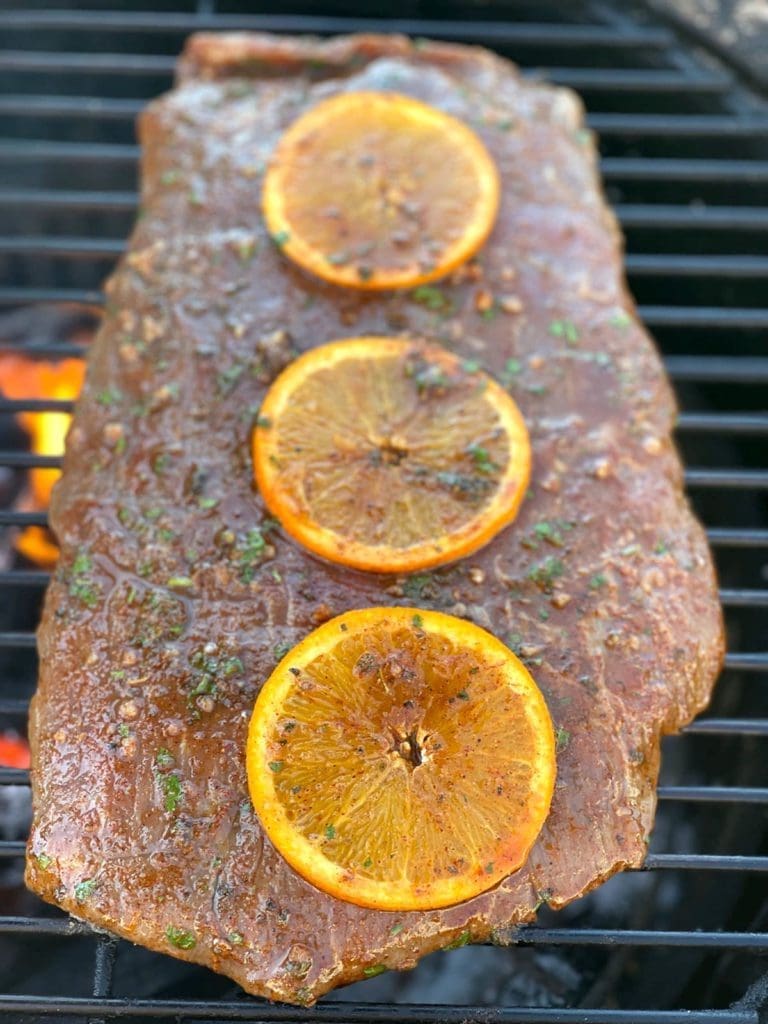
Skirt Steak for Carne Asada
Skirt steak is a thin cut with a loose texture and plenty of beef flavor. Its irregular surface catches the marinade and develops beautifully charred edges when cooked over high heat.
You may see both inside and outside skirt steak at the butcher counter. I choose outside skirt when it is available because it tends to be thicker and more tender. Inside skirt still works, but it requires extra care when cooking and slicing to keep it from becoming chewy.
Skirt steak is thinner than the other cuts, so it can go from perfectly charred to overcooked quickly. Stay close to the grill and start checking it early.
You can also find more grilling tips in my How to Cook Skirt Steak guide.
Still deciding between the two? My Skirt Steak vs. Flank Steak guide compares their flavor, texture, thickness and best cooking methods.

Flap Meat for Carne Asada
Flap meat, also sold as sirloin flap or bavette, is another excellent option. It has a loose grain similar to skirt steak but usually offers more marbling than flank steak. It also has the richest beef flavor of the three.
This is the cut I reach for when I want juicier carne asada with plenty of browned, crispy edges. The thinner sections can cook faster than the thicker sections, so keep an eye on the entire steak and move it around the grill as needed.
Flap meat is not available at every supermarket, but it is worth checking Mexican markets and independent butcher shops. If you find beef labeled only as flap steak or bavette, both names may refer to sirloin flap.

How to Choose Carne Asada Meat
No matter which cut you use, look for a steak with an even thickness so it finishes cooking at roughly the same time. Some variation is normal with skirt and flap meat, but avoid packages filled with scraps of several different sizes.
- Look for visible marbling. Small streaks of fat help the steak stay juicy and add flavor as it grills.
- Check the thickness. Thin steaks cook quickly and develop more char, while thicker flank steak is a little easier to control on the grill.
- Buy a whole steak when possible. It is easier to control the cooking time and slice the meat properly when you can see the direction of the grain.
- Ask what the package contains. “Carne asada” describes the finished dish, not a single cut of beef.
- Skip stew meat. Small cubes of chuck and round are better suited to slow cooking than the fast, high-heat grilling used for carne asada.

Cuts to Avoid for Carne Asada
Chuck roast, brisket and most stew meat need a longer cooking time to break down and become tender. They can make wonderful shredded beef, but they will not give you the texture of grilled carne asada.
I also avoid very lean cuts such as eye of round. Even after marinating, they can become dry and firm when exposed to the high heat needed for a good sear.
Ribeye and filet mignon can technically be used, but I wouldn’t spend the extra money. Carne asada is chopped or thinly sliced and loaded into tacos, burritos and fries, so flank, skirt or flap meat gives you the right texture at a much better price.

Recipes Using Carne Asada
Once you’ve picked the meat and decided how to serve it, use my guide to what to serve with carne asada to finish the meal.
Whichever cut you bring home, give it a good marinade, grill it hot and fast, let it rest and always cut against the grain. That last step can make the difference between tender carne asada and something you’ll still be chewing next Tuesday.
For more tacos, sides, sauces and Mexican-inspired meals, visit my Ultimate Mexican Food Guide.
