Skip to content


How To Cook Flank Steak
Learn how to cook flank steak using the methods I rely on most, including grilling, broiling, cast iron, and simple marinades, proper temperatures, and slicing techniques.
If you’ve spent much time browsing my beef recipes, you’ve probably noticed flank steak shows up quite a bit. It’s one of my favorite cuts because it’s affordable, cooks quickly, and is the cut I reach for most often when I’m making carne asada, grilled steak dinners, or a quick weeknight meal.
Like many of the cuts featured in my Ultimate Guide to Beef, flank steak doesn’t need anything complicated to turn out great. A hot grill or cast iron skillet, a little time to rest, and slicing against the grain are all it takes for juicy, tender results.


What Is Flank Steak?
Flank steak is a lean, flavorful cut of beef that comes from the lower abdominal muscles of the cow. It has a visible grain, strong beefy flavor, and a thicker shape than skirt steak, making it great for grilling, broiling, searing, and slicing thin.
Flank steak is often compared to skirt steak because both work well with marinades, grilling, and thin slicing. The biggest difference is texture: flank steak is thicker and leaner, while skirt steak has a looser grain and more intense beef flavor. Not sure which one to choose? My Skirt Steak vs Flank Steak guide compares the two side by side.
Because it has very little marbling, flank steak relies more on proper cooking technique than fat content for tenderness. It’s leaner than ribeye but thicker and meatier than skirt steak, making it a great choice when you want a lean steak without giving up flavor. If you’re looking for a naturally softer steak, compare it to some of the Most Tender Cuts of Beef.
If you’re still getting familiar with the different cuts of beef, my Ultimate Guide to Beef Cuts is a great place to start.
Flank Steak at a Glance
- Lean, flavorful beef cut with a visible grain
- Best cooked quickly over high heat
- Great for grilling, broiling, searing, and slicing thin
- Benefits from a good marinade
- Thicker and leaner than skirt steak
- Always slice against the grain

Best Way to Cook Flank Steak
The best way to cook flank steak depends on how you plan to serve it, but grilling and broiling are two of the best methods because they create a flavorful crust while keeping the inside juicy and tender. If you’re comparing cuts for the grill, see my guide to the best steak for grilling.
Grilling is the classic choice because the high heat helps brown the outside quickly without drying out the center. You’ll get the best results when the steak is marinated first, rested after cooking, and sliced thinly before serving.
Broiling flank steak is another reliable option when outdoor grilling isn’t available. It uses high heat from above to create a similar browned exterior and works well for London broil-style meals.
No matter how you cook it, the same rules apply: use high heat, don’t overcook it, let it rest, and always slice against the grain.
Tested and Written in the Foodie & Wine Kitchen
Flank steak has become one of my go-to cuts for grilling, quick weeknight dinners, and sliced steak recipes. I’ve tested it on the grill, under the broiler, and in cast iron to find the techniques that consistently produce juicy, tender slices. The recommendations in this guide are based on those real-world results, not just standard cooking charts.
Cooking Methods
Grilling is probably the first thing that comes to mind when most people think of flank steak, but it’s not the only option. I cook it on the grill most often, but it also turns out great in a cast iron skillet, under the broiler, or rolled and stuffed for special occasions.
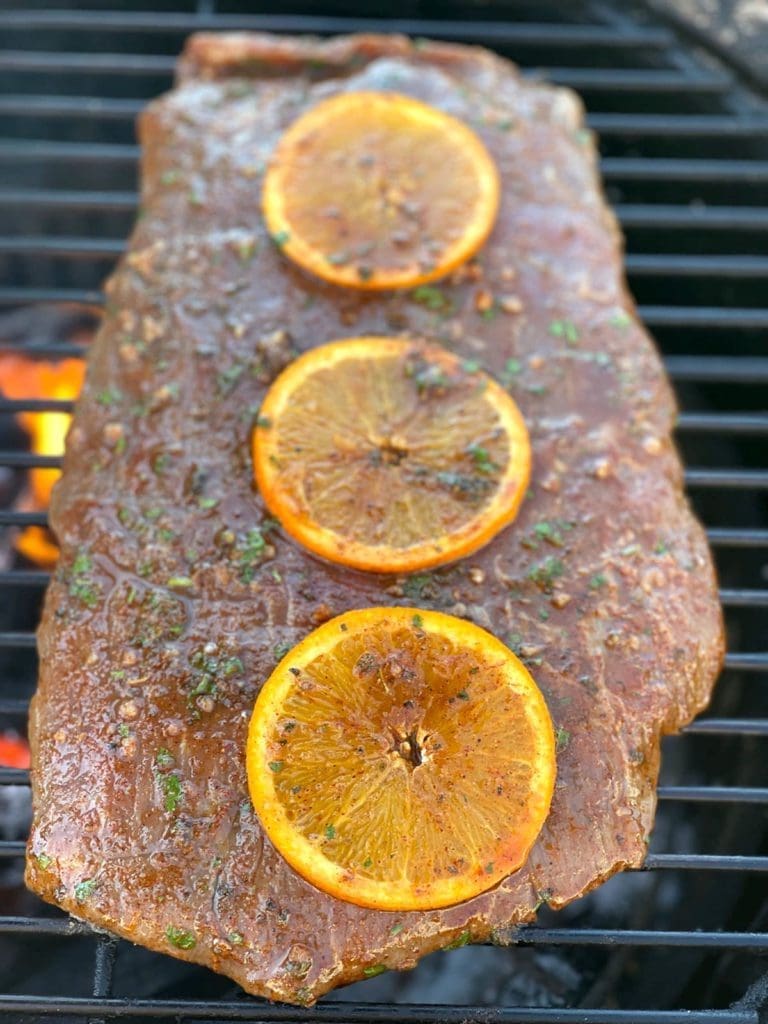
Grilled Flank Steak
Grilling is the classic way to cook flank steak. The high heat gives the outside a nice crust while keeping the inside juicy.
Flank steak is the cut I use most often for carne asada because it cooks quickly and stays tender when sliced against the grain. If you’re looking for another way to use it, check out my Sous Vide Carne Asada recipe. For another grilled Mexican steak option, see my Tacos al Carbon.
Cook over direct high heat for 4 to 6 minutes per side, depending on thickness, and remove the steak from the grill when it reaches 130 to 135°F for medium-rare.
Cast Iron Skillet
A cast iron skillet is the best indoor alternative to grilling. Heat the pan until it’s very hot before adding the steak to develop a rich, caramelized crust without overcooking the center.
This method is ideal when you want a quick steak dinner without firing up the grill.
Broiled Flank Steak
If grilling isn’t an option, the broiler delivers similar high heat from above. Place the steak on a broiler pan several inches below the heating element and cook until it reaches your preferred doneness. Keep a close eye on it since broilers vary quite a bit and flank steak can overcook quickly.
Stuffed Flank Steak
Flank steak’s wide, even shape makes it one of the best cuts for stuffing. Roll it around fillings like spinach, cheese, roasted peppers, mushrooms, or fresh herbs, then roast until cooked through before slicing into pinwheels. Ask your butcher to butterfly the steak if it’s particularly thick.
London Broil
Despite the name, London Broil is a cooking method rather than a specific cut of beef. Flank steak is one of the most common cuts used. It’s typically marinated, broiled or grilled over high heat, then sliced thinly against the grain before serving. Although flank steak is traditionally used, top round is another common choice these days.

Best Marinades
Flank steak is one of those cuts that almost always benefits from a good marinade. Its lean texture and pronounced grain allow it to absorb flavor quickly without becoming overly rich. Whether you’re planning a simple grilled steak dinner or using it in Mexican or Asian-inspired recipes, the right marinade adds flavor while helping the meat stay juicy.
Do You Need to Marinate Flank Steak?
You don’t have to marinate flank steak, but I usually do. Even a few hours in a simple marinade makes a noticeable difference in both flavor and tenderness. I recommend marinating for at least 2 to 4 hours, although overnight works well for most recipes.
You don’t need anything complicated, either. A combination of oil, an acid like lime juice or vinegar, garlic, salt, and a few seasonings is usually all it takes. If you’re working with a tougher cut of beef, my guide on How to Tenderize Beef covers additional techniques that can help improve texture.
Garlic Chipotle Marinade
If you’re looking for a bolder marinade, garlic and chipotle are a great combination. Garlic, chipotle peppers in adobo, honey, and a few pantry staples create a smoky, slightly sweet marinade. It’s the marinade I use in my Smoked London Broil recipe and works just as well on the grill, under the broiler, or in a cast iron skillet.
Mexican Citrus Marinade
If I’m making flank steak for tacos or other Mexican-inspired dishes, this is the marinade I use most often. Lime juice, orange juice, olive oil, garlic, cilantro, cumin, and chili powder give the steak tons of flavor. For the exact recipe, see my Carne Asada Marinade.
Soy Ginger Marinade
For an Asian-inspired marinade, whisk together soy sauce, garlic, fresh ginger, brown sugar, sesame oil, and rice vinegar. This savory, slightly sweet combination pairs beautifully with flank steak and is similar to the marinade I use in my Sous Vide Tri-Tip recipe. It’s also the foundation of my Beef Bulgogi, and leftover steak works beautifully in Beef Fried Rice.
How Long to Marinate Flank Steak
For the best flavor, marinate flank steak for at least 2 hours and up to overnight. If your marinade contains a lot of citrus juice or vinegar, keep the marinating time closer to 2 to 6 hours so the surface of the meat doesn’t become mushy.

Cooking Time & Temperature
Flank steak is best when cooked to medium-rare or medium. Because it’s a lean cut, cooking it too far past medium can cause it to dry out and become chewy. For a broader doneness guide, bookmark or print my Beef Temperature Chart.
Always use an instant-read thermometer instead of relying only on cooking time. Temperatures can vary slightly depending on the thickness of the steak. The outside should be deeply browned while the inside stays juicy and tender.
| Doneness | Pull Temperature |
|---|---|
| Rare | 120–125°F |
| Medium Rare | 130–135°F |
| Medium (My Preferred Level of Doneness) | 140–145°F |
While medium-rare is often recommended for flank steak, I personally prefer cooking it closer to medium because the texture is less chewy while still staying juicy and flavorful. For more steak-specific doneness levels, see my complete Steak Temperature Chart.
How to Cut Flank Steak
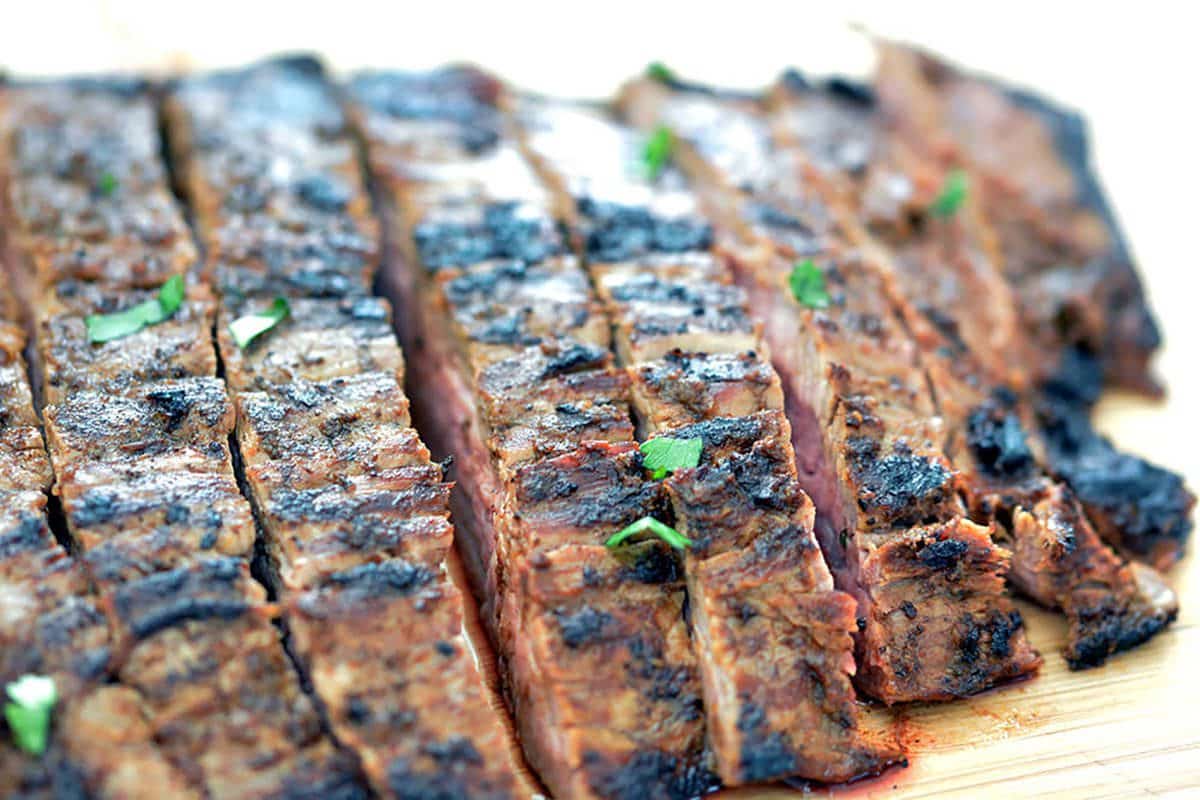
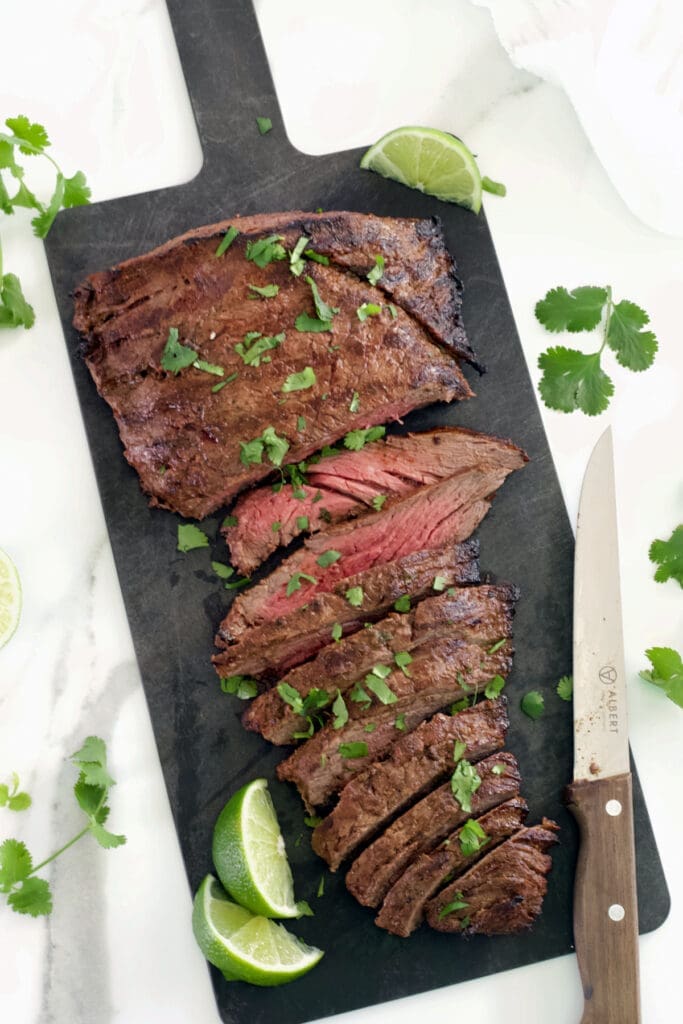
Flank steak should always be sliced against the grain for the most tender texture. The grain is easy to see because the muscle fibers usually run lengthwise across the steak.
After cooking, let the steak rest for 5 to 10 minutes before slicing. Then use a sharp knife to cut thin slices across the grain instead of with it. This shortens the muscle fibers and makes each bite easier to chew.
For wider, more tender-looking slices, hold your knife at a slight angle as you cut. Avoid using a serrated knife, which can tear the meat instead of producing clean slices.
Why Is My Flank Steak Tough or Chewy?
Flank steak usually turns out tough for one of three reasons: it was overcooked, cooked over heat that wasn’t hot enough, or sliced with the grain instead of against it. Because flank steak is lean and has a defined grain, small mistakes can make a big difference in texture.
The best way to keep flank steak tender is to cook it quickly over high heat, pull it around medium-rare to medium, let it rest, and slice it thinly against the grain. My full guide on how to tenderize beef covers additional options if you’re working with tougher cuts.
If your flank steak still tastes chewy, check these common mistakes:
- It was overcooked. Flank steak is lean and can become dry if it goes too far past medium.
- The pan, broiler, or grill wasn’t hot enough. High heat helps brown the outside before the inside dries out.
- It was sliced with the grain. Cutting with the muscle fibers makes each bite harder to chew.
- It didn’t rest before slicing. Resting helps the juices settle before the steak is cut.
Essential Cooking Tips
Flank steak is easy to cook once you understand a few key techniques. Small mistakes like using low heat, overcooking the steak, or slicing it the wrong way can make a big difference in texture.
Keep these fundamentals in mind for consistently tender flank steak:
- Pat dry before cooking
- Cook over high heat
- Don’t overcook
- Let rest
- Slice against grain
- Use thermometer
- Marinate when possible
Master these basics, and flank steak becomes one of the most flavorful and reliable cuts in your beef recipe rotation.



What To Serve With Flank Steak
Flank steak is easy to pair with everything from bright sauces to classic steakhouse sides. Whether you keep it simple or build a full dinner around it, these are some of my favorite pairings.
Sauces and Toppings
- Chimichurri
- Pico de gallo
- Avocado salsa
- Garlic herb butter
- Fresh lime wedges
- Creamy cilantro sauce
Mexican-Inspired Side Dishes
- Mexican rice
- Street corn
- Refried beans
- Cilantro lime rice
- Black beans
- Warm flour or corn tortillas
Classic Steakhouse Sides
- Baked potatoes
- Garlic mashed potatoes
- Roasted baby potatoes
- Grilled asparagus
- Garlic butter mushrooms
- Roasted Brussels sprouts
Fresh Salads
- Caesar salad
- Garden salad
- Tomato cucumber salad
- Southwest corn salad
- Avocado salad

Best Uses for Flank Steak
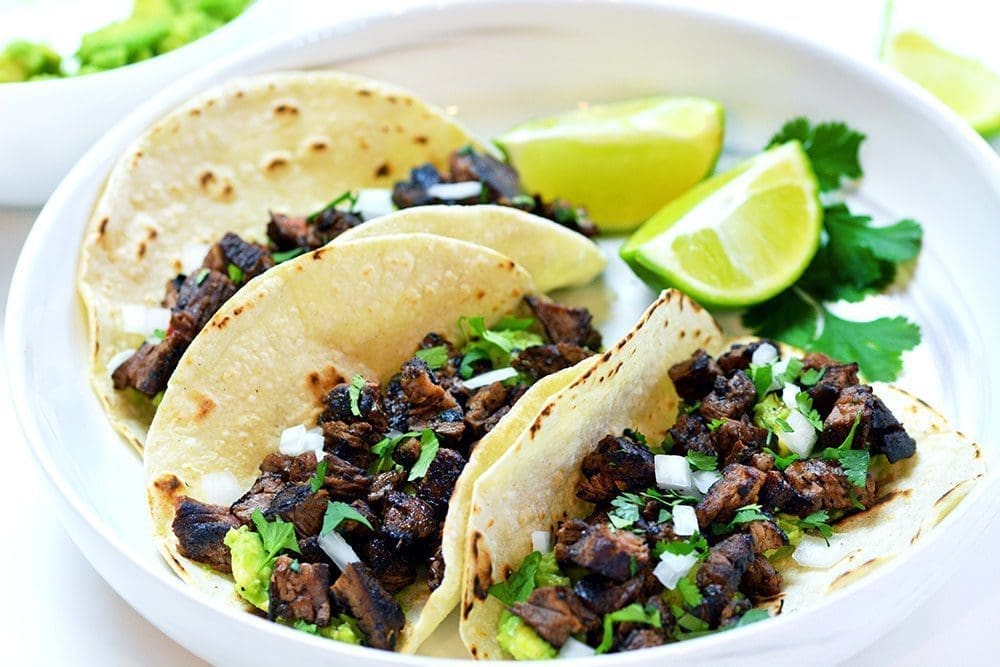
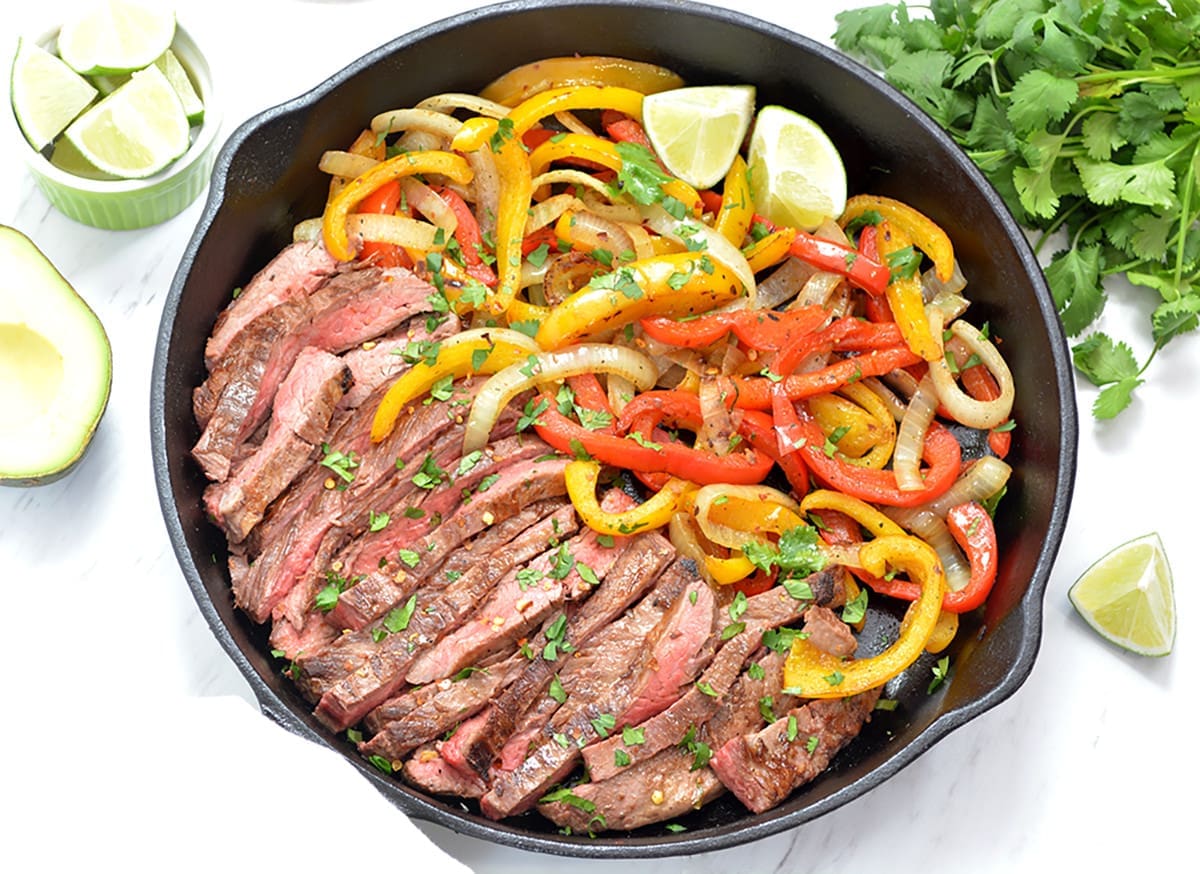
One of the reasons I keep coming back to flank steak is how versatile it is. It’s one of the cuts I use most often for flank steak tacos, steak fajitas, hearty salads, sandwiches, and quick weeknight dinners because it cooks quickly and benefits from a simple marinade.
One of the things I like most about flank steak is how easily it fits into different cuisines. From Mexican favorites like Carne Asada to Asian-inspired dishes like Beef Bulgogi, its lean texture and bold flavor make it easy to use in a wide variety of recipes.
If you’re wondering how flank steak compares to other taco meats, see my guide to the Best Meat for Tacos.
For even more recipe ideas, explore my Ultimate Mexican Food Guide.
How to Cook Flank Steak Perfectly Every Time
Flank steak is one of the best cuts of beef for high-heat cooking. It also belongs on the short list of cheapest cuts of beef that still deliver big flavor when cooked properly. It’s also one of the few affordable cuts that can rival much more expensive steaks when it’s cooked correctly.
Whether you grill it, broil it, sear it in cast iron, or marinate it first, the key is always the same. Cook it hot and fast, avoid overcooking it, and slice it properly against the grain.
Once you understand how to cook flank steak properly, you’ll have one of the most versatile cuts of beef in your kitchen. From quick weeknight meals to weekend grilling, it’s a cut you’ll come back to often. If you’re exploring other steaks, my guides to How to Cook Tri-tip, Best Steak for Grilling, and the Ultimate Guide to Beef Cuts are great places to continue.