 Skip to content


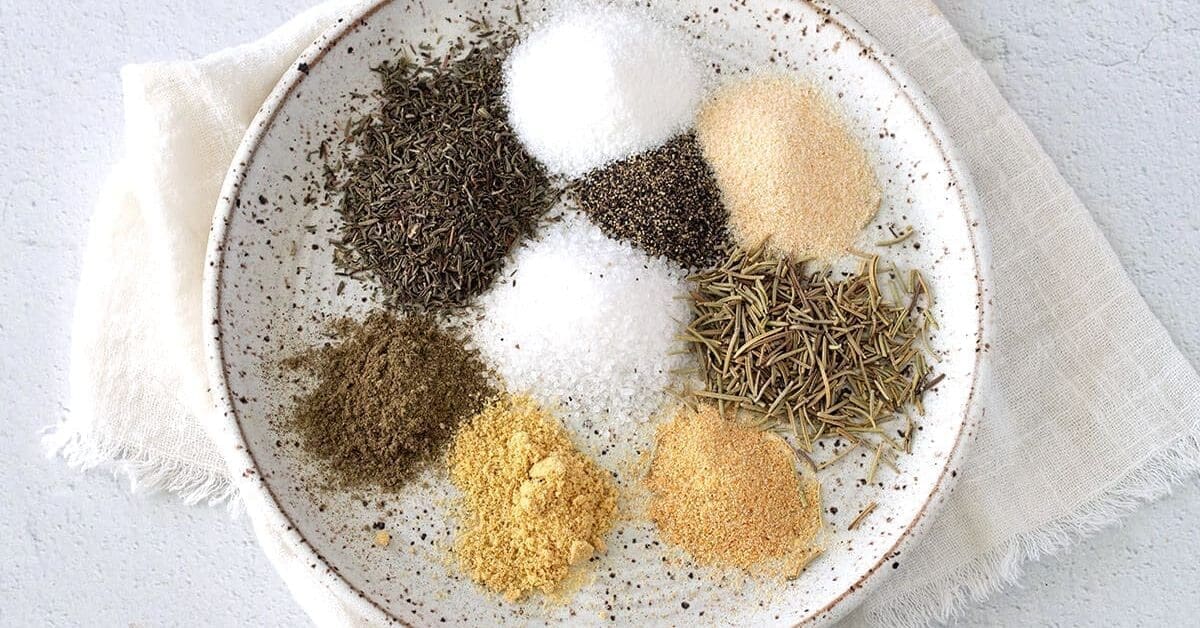

This turkey rub uses fresh or dried herbs and works on all kinds of Turkey Recipes. It has the familiar sage, rosemary and thyme flavor most people expect from a holiday turkey, but you can use it throughout the year.
Planning the full meal? My Thanksgiving Food Guide covers the turkey, gravy, side dishes, appetizers, desserts and the smaller details that bring everything together.
Use this seasoning on Turkey Tenderloin, Roasted Boneless Turkey Breast, Smoked Turkey, Sous Vide Turkey Breast or Smoked Turkey Wings.

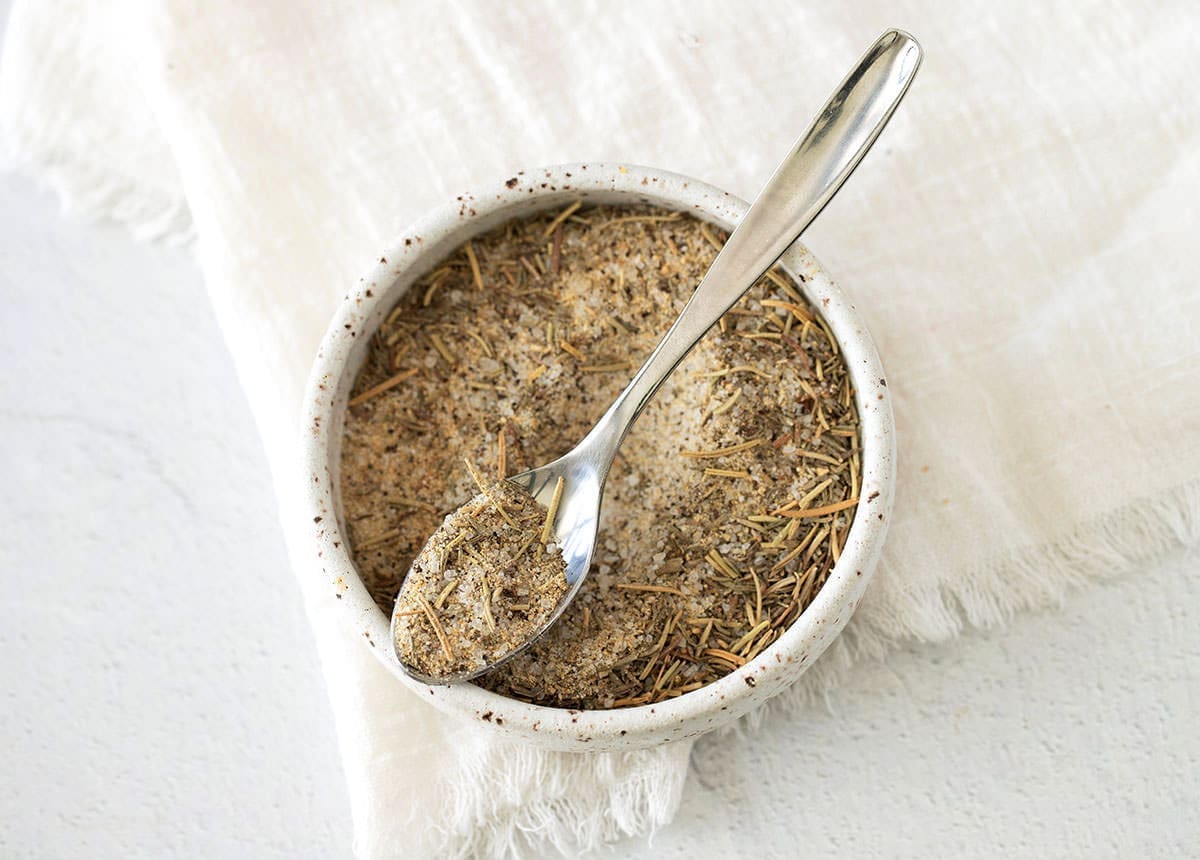
Turkey Rub
Turkey has a fairly mild flavor, so the poultry seasoning does much of the work. This blend combines fresh or dried herbs with garlic, onion, mustard, sugar, salt and pepper to create a classic savory turkey flavor.
If you’re out of all the ingredients to make this rub, here are some substitutes for poultry seasoning.
For even more flavor, use the rub with my Turkey Injection. If you prefer to wet-brine the turkey first, my Smoked Turkey Brine works with roasted and smoked turkey.
- Rosemary, fresh or dried
- Thyme, fresh or dried
- Sage, fresh or dried
- Garlic powder
- Onion powder
- Ground mustard
- Granulated sugar
- Kosher salt and black pepper
For a spicier variation, use the Cajun rub from my Cajun Turkey Breast Tenderloin.
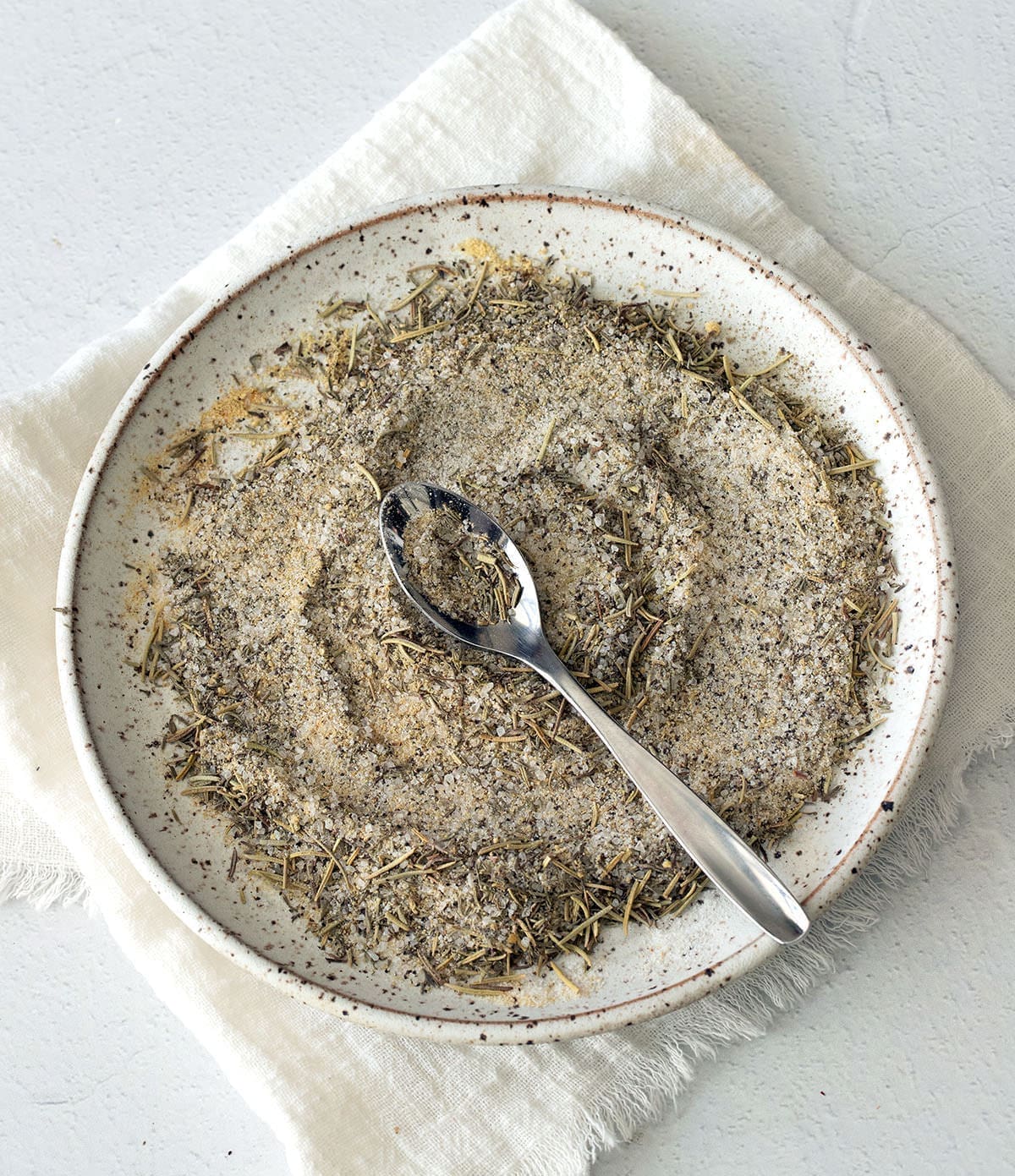
Using Turkey Rub as a Dry Brine
This turkey rub can also be used as a dry brine because it contains kosher salt. Rub it evenly over the turkey and refrigerate it uncovered for up to 24 hours for a whole turkey or up to 4 hours for a turkey breast, tenderloin or leg.
Leaving the turkey uncovered helps dry the exterior, which produces better browning during roasting or smoking.
How To Season Turkey
If you’re not dry-brining, pat the turkey thoroughly dry with paper towels. Coat it lightly with olive oil or another binder, then apply an even layer of seasoning over the entire surface.
For the best flavor, season underneath the skin when possible instead of applying the rub only to the outside.

How Much Turkey Rub To Use
This recipe makes approximately ¼ cup of seasoning, which is enough for a 14–16-pound turkey.
Double the recipe for a very large turkey. For a turkey breast, tenderloin, legs or wings, start with half the batch and add more as needed to coat the meat evenly.
Would you like to save this?
Binders
A binder helps the seasoning adhere to the turkey. Olive oil is the simplest option, but softened butter, turkey bouillon or Dijon mustard can add another layer of flavor.
Apply a thin layer of your chosen binder before adding the turkey rub. You only need enough to make the surface lightly tacky.
Variations
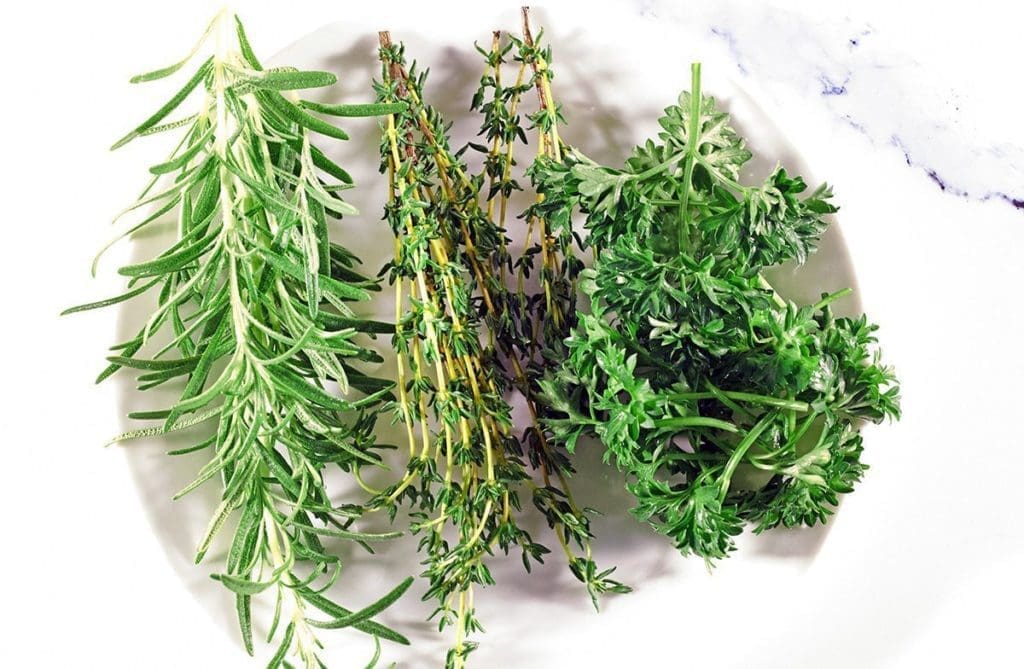
Fresh herbs: Replace the dried rosemary, thyme or sage with three times as much finely chopped fresh herb. For example, replace 1 teaspoon of dried rosemary with 1 tablespoon of fresh rosemary.
Make it spicy: Add red pepper flakes or cayenne pepper. Start with ½ teaspoon and increase it to match your preferred heat level.
Make it sweeter: Increase the granulated sugar or replace it with brown sugar.
Add more garlic: Double the garlic powder for a more pronounced garlic flavor.
Other Herbs and Spices That Go With Turkey
Other seasonings that pair well with turkey include oregano, paprika, coriander, cumin, cayenne pepper and dried lemon or orange peel. Add one or two complementary flavors rather than putting every option into the same batch.
Other Ways To Use Turkey Rub
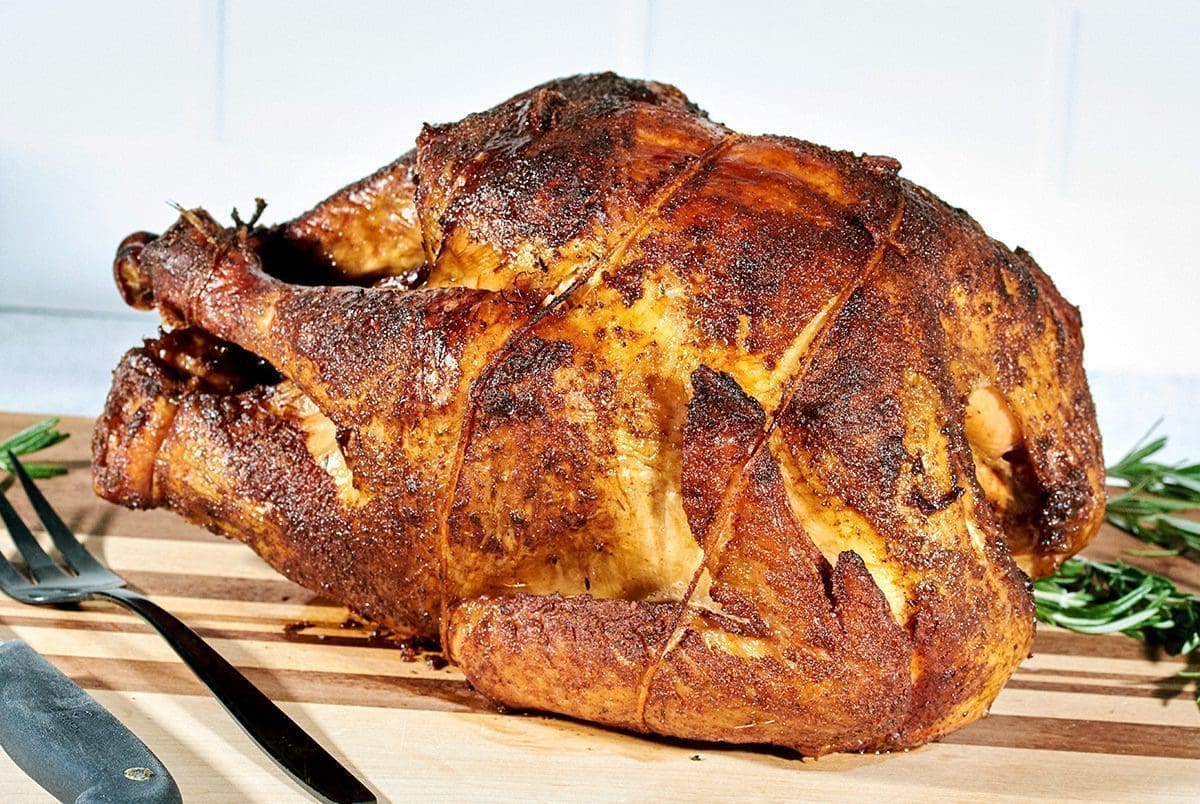
This seasoning works on more than turkey. Taste as you go when using it in other recipes because the blend already contains kosher salt.
- Compound butter: Mix it with softened butter and spread it over bread, rolls or roasted vegetables.
- Chicken seasoning: Rub it over chicken before roasting, grilling or pan-searing.
- Salad dressing: Whisk a small amount into oil and vinegar.
- Soups and stews: Stir in a small amount to add more savory herb flavor.
- Roasted vegetables: Toss vegetables with olive oil and a light coating of the seasoning before roasting.
- Breadcrumbs: Mix it into breadcrumbs before using them as a topping or in onion and sage stuffing.
- Hamburgers: Mix a small amount into ground beef before forming the patties.
Expert Tips
- Adjust the kosher salt to suit your taste and account for any salt already present in a brine, injection or binder.
- For better flavor, season the turkey at least one hour before cooking and keep it refrigerated.
- Store the dry rub in an airtight container in a cool, dry location for up to 6 months.
- Use the turkey drippings to make Turkey Gravy.
- If you’re smoking the turkey, review my guide to the Best Wood for Smoking Turkey and my tips for Smoking a Turkey.
Before you start, make sure the turkey is fully defrosted using one of these methods for Thawing a Turkey Breast. You can also check my Best Wine With Turkey pairings before finalizing the menu.
For more holiday inspiration, browse my complete collection of Thanksgiving Recipes.

The Best Turkey Rub
Ingredients
WITH DRIED INGREDIENTS
- 2 tsp kosher salt + more to taste
- 2 tsp dried thyme (*Note 1)
- 2 tsp dried rosemary
- 2 tsp granulated sugar (*Note 2)
- 1 tsp dried sage
- 1 tsp black pepper + more to taste
- 1 tsp onion powder
- 1 tsp ground mustard
- ½ tsp garlic powder
Instructions
- Combine all the ingredients in a small bowl. Store in an airtight container for up to 6 months.