 Skip to content


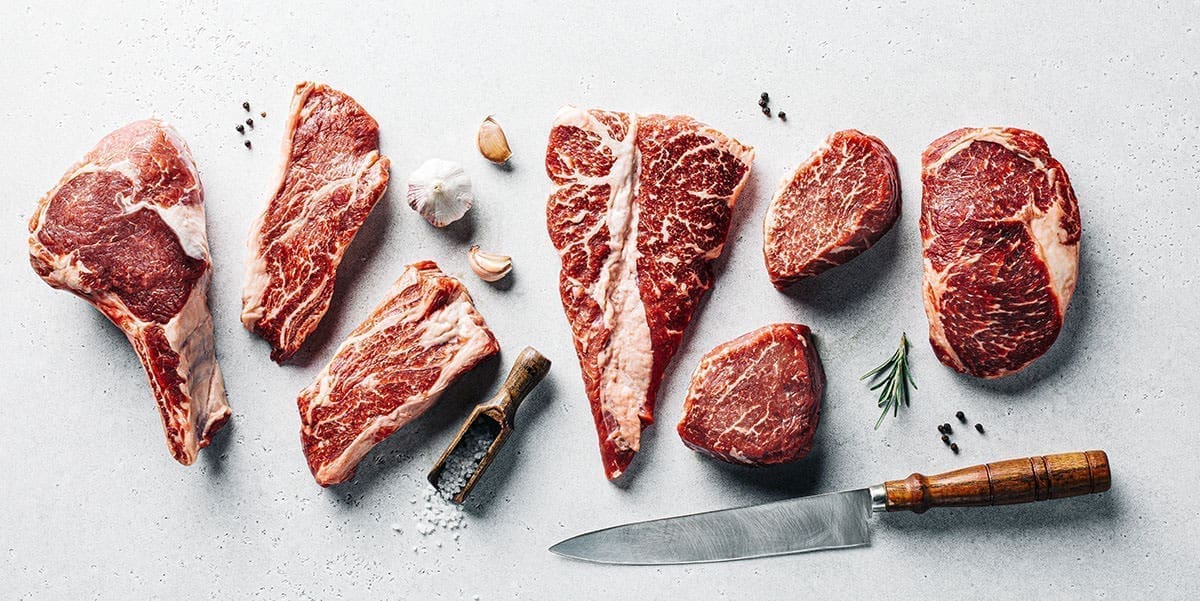
Learning how to cook steak starts with choosing the right cut and matching it with the best cooking method. Whether you’re grilling a ribeye, reverse-searing a thick New York strip, pan-searing filet mignon, or quickly cooking flank or skirt steak over high heat, this guide covers everything you need to consistently cook steak like a pro.
If you’re still deciding which cut to buy, start with my Ultimate Guide to Beef Cuts, which explains every major cut of beef, where it comes from, and the best way to cook it.
Cooking the perfect steak is only part of creating a memorable meal. Once you’ve chosen the cut and cooking method, my Best Wine With Steak guide will help you pair it with the right bottle based on the cut, cooking method, sauce, and seasonings.
How to Choose the Right Steak
The best steak depends on your budget, how you plan to cook it, and whether you prefer rich marbling, a heavy-beef flavor, or exceptional tenderness. Some cuts are popular for their steakhouse appeal, while others deliver excellent flavor and versatility at a lower price.
Best Premium Steaks
If tenderness, flavor, or steakhouse appeal are your priorities, these cuts are hard to beat. Ribeye and New York strip offer more marbling and beef flavor, while filet mignon is prized for its exceptionally tender texture.
- Ribeye – Rich marbling and bold beef flavor. One of the easiest steaks to cook well.
- New York Strip – Firm texture with excellent beef flavor and a satisfying chew.
- Porterhouse – A large steak that combines a New York strip and filet mignon separated by the T-shaped bone.
- T-Bone – Similar to a porterhouse but with a smaller filet section.
- Filet Mignon – Exceptionally tender with a mild, buttery texture. Here’s how to oven bake filet mignon.
Best Value Steaks
These cuts are often more affordable than premium steaks while still offering excellent flavor and versatility.
- Flat Iron Steak – One of the most tender value cuts with impressive marbling.
- Sirloin Steak – Leaner than ribeye but full of beef flavor and great for weeknight dinners.
- Denver Steak – Tender, well-marbled, and becoming increasingly popular with steak lovers.
- Picanha Steak – A Brazilian favorite with a generous fat cap that bastes the meat as it cooks, creating exceptional flavor on the grill or over an open flame.
- Coulotte Steak – Cut from the top sirloin cap, coulotte offers rich beef flavor, a tender bite, and excellent value compared to many premium steaks.
- Chuck Eye Steak – Often called the “poor man’s ribeye” because it offers similar flavor at a lower price.
- Teres Major Steak – Sometimes called the “petite tender,” this lesser-known cut is remarkably tender and delivers steakhouse-quality results at a lower price than filet mignon.
If you’ve never cooked teres major, it’s one of the best hidden gems at the butcher counter. My Teres Major Steak recipe shows exactly how to cook this tender cut.
For more options, check out my list of the cheapest cuts of beef.
Best Steaks for Marinades
These thinner, leaner cuts develop incredible flavor when marinated and cooked quickly over high heat. Just remember to slice them against the grain before serving.
- Flank Steak – Lean, beefy, and excellent for grilling, salads, and steak bowls.
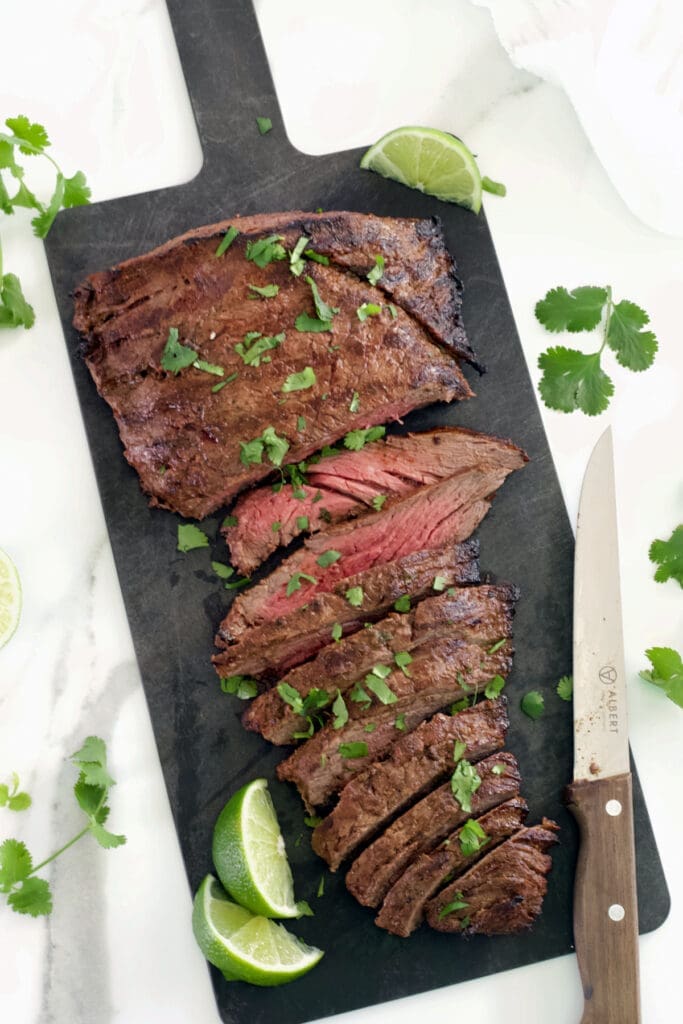
- Skirt Steak – Thin, intensely flavorful, and perfect for fajitas, tacos, and quick grilling.
- Flap Steak (Bavette) – Loose-grained, juicy, and one of the best steaks for marinades.
- Hanger Steak – A butcher’s favorite with exceptional beef flavor and a tender texture when cooked properly.

Steak Cuts at a Glance
Not sure which steak to buy? This quick comparison highlights the strengths of the most popular cuts so you can choose the best steak for your budget, cooking method, and flavor preferences.
| If You Want… | Choose… | Why |
|---|---|---|
| The richest beef flavor | Ribeye | Generous marbling keeps it juicy while delivering bold, beefy flavor. |
| The most tender steak | Filet Mignon | Exceptionally tender with a delicate, buttery texture. |
| The best balance of flavor and tenderness | New York Strip | Excellent marbling, bold flavor, and a firmer bite than ribeye. |
| The best value | Flat Iron Steak | One of the most tender steaks for the price with impressive marbling. |
| The best budget steak | Chuck Eye Steak | Often called the “poor man’s ribeye” because it offers similar flavor at a lower price. |
| An easy weeknight steak | Sirloin Steak | Lean, flavorful, affordable, and quick to cook. |
| The best steak for beginners | Ribeye | The marbling helps it stay juicy and makes it more forgiving than leaner steaks. |
| The best steak for grilling | Ribeye or New York Strip | Both develop an outstanding crust over high heat. |
| The best steak for marinades | Flank, Skirt, or Flap Steak | These leaner cuts absorb marinades well and excel with high-heat cooking. |
| A steakhouse-worthy dinner | Porterhouse | Combines a New York strip and filet mignon in one impressive steak. |
When someone asks me to recommend just one steak, I almost always suggest ribeye. It’s flavorful, forgiving, and cooks beautifully on the grill or in a cast iron skillet. If you’re planning fajitas, tacos, or another marinated steak dish, flank, skirt, and flap steaks are usually better choices.
For a deeper comparison of marbling, tenderness, cost, and cooking methods, see my Ultimate Guide to Beef Cuts, explore the Most Tender Cuts of Beef, or compare the Best Steaks for Grilling.
Can’t decide between two steakhouse favorites? Read my detailed comparison of Ribeye vs. New York Strip to see how they compare in flavor, tenderness, marbling, and the best cooking methods.

Choosing a Cooking Method
Once you’ve chosen your steak, the next step is selecting the cooking method. Thickness, marbling, and the equipment you have available all play a role in which technique will give you the best results.
Some methods, like cast iron and grilling, are excellent for everyday cooking, while others, such as reverse searing and sous vide, offer more control over thicker or premium cuts. The sections below walk through each method, explain when to use it, and highlight the steaks that benefit most from that approach.
| Cooking Method | Best Steak Cuts | Why It Works |
|---|---|---|
| Grilling | Ribeye, New York Strip, Porterhouse, T-Bone, Sirloin, Skirt Steak, Flank Steak | High heat creates a flavorful crust while adding smoky, charred flavor. |
| Cast Iron | Ribeye, Filet Mignon, New York Strip, Flat Iron, Denver | The intense, even heat creates an outstanding crust with excellent control over doneness. |
| Reverse Sear | Thick Ribeye, Thick New York Strip, Porterhouse, T-Bone | Slow cooking followed by a hot sear produces edge-to-edge doneness with a beautifully browned crust. |
| Skillet-to-Oven | Ribeye, Filet Mignon, New York Strip, Porterhouse | Starting in a hot skillet and finishing in the oven is an easy, dependable way to cook thicker steaks. |
| Sous Vide | Filet Mignon, Ribeye, New York Strip, Sirloin | Precise temperature control makes it nearly impossible to overcook expensive steaks. |
| High-Heat Searing | Flank Steak, Skirt Steak, Flap Steak (Bavette), Hanger Steak | These thinner cuts cook quickly and develop exceptional flavor when exposed to intense heat. |
| Smoking | Ribeye, Thick New York Strip, Tomahawk | Thicker steaks have enough time to absorb a subtle smoky flavor before finishing over high heat. |
If you’re choosing a steak specifically for the grill, my guide to the best steak for grilling compares the top cuts in more detail. Looking for maximum tenderness? See my guide to the most tender cuts of beef.
What about tri tip? Although tri tip is technically a roast rather than a steak, it cooks beautifully using many of the same techniques, such as grilling, smoking, and reverse searing. If I’m feeding a crowd, it’s one of my favorite alternatives to cooking individual steaks. Learn more in my guide to how to cook tri tip.
Developed and Tested in the Foodie & Wine Kitchen
I don’t rely on a single cooking method for every steak. Ribeyes usually end up in a cast iron skillet, tri tip often goes on the smoker, while thicker steaks are excellent candidates for a reverse sear. Choosing the right technique for the cut consistently produces better results than forcing every steak into the same method.
Grilling Steak
Grilling is one of the best ways to cook steak because the intense heat creates a flavorful crust while adding smoky, lightly charred flavor. It works especially well for ribeye, New York strip, T-bone, porterhouse, sirloin, picanha, coulotte, flank, skirt, flap, and hanger steaks
Start with a thoroughly preheated grill and clean, lightly oiled grates. Pat the steak dry, season it generously, and place it over direct heat to begin developing a crust. Flip the steak as needed for even browning, then move thicker cuts to a cooler area of the grill if the exterior is browning faster than the center is cooking.
The total cooking time will depend on the thickness of the steak, the intensity of the heat, and your preferred doneness. Use an instant-read thermometer rather than relying on a set number of minutes per side. Once the steak reaches the proper pull temperature, transfer it to a cutting board and let it rest before slicing.
For steaks thicker than about 1½ inches, a two-zone fire or reverse-sear approach gives you more control than leaving the steak over direct heat for the entire cook.
Related: Best Steak for Grilling
Cast Iron Steak
If I could only keep one method for cooking steak, it would probably be cast iron. A properly heated skillet creates an incredible crust while giving you complete control over the cook.
Cast iron is my favorite way to cook ribeye, filet mignon, New York strip, flat iron, teres major, Denver, and chuck eye steaks. The flat cooking surface makes full contact with the meat, helping develop deep, even browning that can be harder to achieve on a grill.
Heat the skillet until it is very hot, then add a small amount of high smoke-point oil. Pat the steak completely dry before placing it in the pan and let the surface brown before turning it. Continue cooking and flipping as needed until a well-developed crust forms and the steak approaches your preferred internal temperature.
During the final stage of cooking, you can add butter, garlic, and fresh herbs to the skillet and spoon the melted butter over the steak. Basting is optional, but it adds richness and another layer of flavor. Remove the steak according to its internal temperature and allow it to rest before slicing.
Related: How to Cook Teres Major Steak

Reverse Searing Steak
Reverse searing is one of my favorite techniques for thick steaks because it produces even doneness from edge to edge while still creating a deeply browned crust. It is particularly well suited to thick ribeyes, New York strips, porterhouses, T-bones, cowboy steaks, and tomahawk steaks.
Instead of beginning with high heat, the steak cooks slowly in a low oven, smoker, or indirect grill until it is slightly below the desired final temperature. This gentle first stage gives the center time to cook evenly without creating a wide band of overcooked meat around the edges.
Once the steak is nearly done, pat the surface dry if needed and finish it over very high heat in a skillet or directly over the grill. The final sear should be brief and focused on developing color and crust rather than continuing to cook the center.
Use a thermometer throughout the process and account for the temperature increase created by the final sear. This method is most useful for steaks at least 1½ inches thick. Thin steaks can overcook before the exterior has time to brown properly.
Oven-Baked Steak
You do not need an outdoor grill to cook an excellent steak. Starting it in a hot skillet and finishing it in the oven is a dependable year-round method that works especially well for ribeye, my baked filet mignon recipe, New York strip, porterhouse, and other thick steaks.
Begin by searing the steak in an oven-safe skillet until the exterior develops good color. Transfer the skillet to a preheated oven and continue cooking until the steak approaches your target internal temperature. The surrounding oven heat cooks the center more evenly than leaving a thick steak on the stovetop for the entire cook.
The amount of time needed in the oven will vary considerably based on thickness, whether the steak is bone-in, and how long it was seared. Check the temperature early and often rather than relying on a fixed baking time.
Remove the steak a few degrees before its final target temperature to allow for carryover cooking, then rest it before serving. For very thick steaks, reverse searing may provide even more control over doneness.

Sous Vide Steak
Sous vide is one of the most precise ways to cook steak because the water bath holds the meat at a controlled temperature. This makes it especially useful for expensive cuts such as filet mignon, ribeye, and New York strip when you want consistent doneness throughout the steak.
Season the steak, seal it in a food-safe bag, and cook it in the water bath at the temperature that corresponds with your preferred doneness. Because the steak cannot rise above the set water temperature, the method offers a much wider margin for error than grilling or skillet cooking.
Once the steak comes out of the bag, dry the surface extremely well. Moisture prevents browning, so this step is essential. Finish the steak in a very hot skillet or over high grill heat just long enough to develop a crust on both sides.
The final sear should be quick because the interior is already cooked. Sous vide delivers exceptionally even doneness, although the texture and crust still depend on drying and searing the steak properly at the end. Here’s how to sous vide filet mignon or sous vide ribeye.
Smoking Steak
Smoking adds wood-fired flavor while gently bringing the steak up to temperature before a final sear. It works best for thick cuts such as tomahawk steak, cowboy steak, bone-in ribeye, and thick New York strip because they can remain in the smoker long enough to absorb flavor without overcooking.
Cook the steak over low, indirect heat until it is below your desired final temperature, then finish it over high heat or in a cast iron skillet. This reverse-sear style approach combines subtle smoke flavor with the browned exterior that steak still needs.
Oak is my usual choice for beef because it adds a balanced smoke flavor without overwhelming the steak. Hickory is stronger, pecan is slightly milder, and cherry adds a touch of sweetness and deeper exterior color.
Monitor the internal temperature rather than cooking by time. Steak thickness, smoker temperature, outdoor conditions, and the type of cut can all affect how quickly it cooks. After the final sear, let the steak rest before slicing.
Although tri tip is technically a roast rather than a steak, it is another excellent candidate for this method, especially when feeding a group.
Related: How to Cook Tri Tip
Steak Temperature Guide
The biggest mistake people make isn’t choosing the wrong cut, it’s overcooking it. Using an instant-read thermometer takes the guesswork out of cooking steak and is the easiest way to get consistent results.
Keep in mind that steak continues cooking for a few minutes after it comes off the heat. I usually pull mine about 5°-7°F before my target temperature and let carryover cooking finish the job while it rests.
| Doneness | Pull From Heat | Final Temperature |
|---|---|---|
| Rare | 120–125°F | 125–130°F |
| Medium Rare | 125–130°F | 130–135°F |
| Medium | 135–140°F | 140–145°F |
| Medium Well | 145–150°F | 150–155°F |
| Well Done | 155°F+ | 160°F |
For more detailed cooking temperatures, see my Steak Temperature Chart and Beef Temperature Chart.

When to Season Steak
Simple seasoning is usually all a good steak needs. Kosher salt and freshly cracked black pepper let the natural flavor of the beef shine, especially on well-marbled cuts like ribeye and New York strip.
There are two approaches that consistently work well.
- Season immediately before cooking. This is my everyday method and produces excellent results.
- Dry brine overnight. Salting the steak on a wire rack in the refrigerator for 12–24 hours dries the surface slightly, helping create an even better crust while seasoning the meat more deeply.
Should You Marinate Steak?
Not every steak benefits from a marinade.
Highly marbled steaks like ribeye, strip steak, and filet mignon usually don’t need one. Their flavor comes from the beef itself.
Leaner and more open-grained cuts often benefit more from the added seasoning and surface flavor. Think carne asada.
- Flank Steak
- Skirt Steak
- Flap Steak (Bavette Steak)
- Sirloin Steak
- Hanger Steak
Acidic ingredients like citrus juice or vinegar help add flavor, while oil, garlic, herbs, and spices round out the marinade. Just avoid leaving the steak in highly acidic marinades for too long, as the surface can become mushy.

How Long Should Steak Rest?
Resting steak is one of the easiest steps to skip, but it makes a noticeable difference.
As the steak cooks, the juices move toward the center. Resting gives the steak time to cool slightly and retain more moisture when sliced instead of releasing as much liquid onto the cutting board.
- Thin steaks: about 5 minutes
- Most steaks: 5–10 minutes
- Thick bone-in steaks: 10–15 minutes
I loosely tent the steak with foil rather than wrapping it tightly, which helps keep it warm without softening the crust.
How to Slice Steak Correctly
Some steaks are naturally tender enough that slicing direction doesn’t matter much. Flank steak, skirt steak, flap steak, hanger steak, and tri tip all become noticeably more tender when sliced across the grain.
Whenever possible, slice across the grain rather than with it. Cutting across the muscle fibers shortens them, making each bite easier to chew.
Tri tip deserves special attention because the grain changes direction near the center of the roast. I usually split it into two sections before slicing so each half can be cut against the grain.
If you’re cooking flank steak, skirt steak, or tri tip, slicing correctly is just as important as cooking it to the right temperature.
Steak Toppings and Compound Butters
A perfectly cooked steak doesn’t need much, but a pat of flavored butter melting over the top can add another layer of richness without covering up the flavor of the beef.
I usually keep it simple with garlic butter, but herb butter, blue cheese butter, cowboy butter, and roasted garlic butter are all excellent depending on the cut you’re serving.
- Garlic Butter
- Herb Butter
- Blue Cheese Butter
- Cowboy Butter
- Roasted Garlic Butter
Richer steaks like ribeye don’t need much more than butter and flaky salt, while leaner cuts like flank steak pair well with brighter sauces such as chimichurri.
Steak Sauces
A great steak doesn’t need much, but the right sauce can complement the beef without overpowering it. Rich, well-marbled steaks are often best with simple butter-based sauces, while leaner cuts pair beautifully with brighter, herb-forward sauces.
- Peppercorn Sauce – A classic pairing for filet mignon and New York strip.
- Red Wine Reduction – Excellent with ribeye, strip steak, and porterhouse.
- Balsamic Glaze – A delicious sauce made with only two ingredients – balsamic glaze and sugar.
- Mushroom Sauce – Earthy flavors pair especially well with filet mignon and sirloin.
- Chimichurri Sauce – My favorite for flank steak, skirt steak, flap steak, hanger steak, and grilled sirloin.
- Cowboy Butter – Perfect for grilled ribeyes, tomahawks, and porterhouses.
- Garlic Butter – A simple finish that complements almost any steak.
- Horseradish Sauce – A classic steakhouse condiment that adds creamy heat and pairs especially well with prime rib, ribeye, New York strip, and beef tenderloin.
I usually keep ribeyes simple with garlic butter or cowboy butter, while chimichurri is hard to beat on flank, skirt, flap, and hanger steaks because its bright, herbaceous flavor balances the richness of grilled beef without masking it.
The sauce you choose can change the ideal wine pairing just as much as the steak itself. Rich butter sauces, peppercorn sauce, chimichurri, mushrooms, and horseradish each work best with different wines. My Best Wine With Steak guide explains which bottles pair best with every sauce.

What to Serve with Steak
A great steak deserves equally great side dishes. Potatoes remain the classic choice, but grilled vegetables, salads, fresh bread, and lighter sides can balance a rich cut of beef just as well.
- Homemade Garlic Bread
- Creamy Mashed Potatoes
- Roasted Potatoes
- Baked Potatoes
- Smoked Asparagus
- Sautéed Mushrooms
- Caesar Salad
- Wedge Salad
Wine Pairings for Steak
Choosing the right wine can elevate a great steak, but the best pairing depends on the cut, marbling, seasoning, cooking method, and sauce. Rich steaks like ribeye pair beautifully with Cabernet Sauvignon, while leaner cuts often work better with Merlot, Pinot Noir, or Malbec.
| Steak | Recommended Wine |
|---|---|
| Ribeye | Cabernet Sauvignon |
| New York Strip | Cabernet Sauvignon or Merlot |
| Filet Mignon | Pinot Noir or Merlot |
| Sirloin | Zinfandel or Cabernet Sauvignon |
| Flank Steak | Malbec |
| Skirt Steak | Malbec or Tempranillo |
| Flap Steak (Bavette) | Malbec or Syrah |
| Hanger Steak | Syrah |
Cabernet Sauvignon remains my go-to choice for richly marbled steaks like ribeye because its tannins balance the fat beautifully. For skirt, flank, flap, and hanger steaks, I usually reach for Malbec or Syrah, especially when the beef has been grilled or served with chimichurri.
Common Steak Mistakes
Even expensive steaks can turn out disappointing if a few basic steps are overlooked. Fortunately, most mistakes are easy to avoid.
- Leaving excess moisture on the surface before cooking.
- Using a pan or grill that isn’t hot enough.
- Relying on a rigid flipping schedule instead of watching the crust and temperature.
- Skipping the meat thermometer.
- Cutting into the steak immediately after cooking.
- Slicing with the grain instead of against it.
- Over-marinating lean cuts.
Most of these mistakes are easy to fix, and once you understand why they happen, you’ll consistently cook better steaks regardless of the method you choose.

Frequently Asked Questions
What’s the best way to cook steak?
The best method depends on the cut and thickness. Cast iron is my favorite all-around option because it produces an excellent crust and works year-round. Reverse searing is better for steaks thicker than 1½ inches, while grilling adds smoky flavor that is difficult to recreate indoors.
Which steak is the most tender?
Filet mignon is generally considered the most tender steak because it comes from a muscle that does very little work. It has a softer texture and less marbling than ribeye. For a full comparison, see my guide to the most tender cuts of beef.
What’s the best steak for beginners?
Ribeye is usually the easiest steak to cook because the marbling helps keep it juicy even if it cooks slightly past the target temperature. New York strip is another dependable option, while filet mignon is very tender but less forgiving because it is leaner.
Should steak be at room temperature before cooking?
There is no need to leave steak on the counter for an hour. A few minutes while you season and preheat the grill or skillet is fine. Drying the surface thoroughly has a much bigger effect on browning and crust development than trying to warm the center of the steak.
Should I cook steak with butter or oil?
Start with a high smoke-point oil for searing, then add butter during the final minute of cooking. The oil handles the high heat without burning, while the butter adds flavor and can be spooned over the steak with garlic and herbs.
How long should steak rest?
Most individual steaks should rest for 5 to 10 minutes. Thin steaks may only need about 5 minutes, while very thick bone-in steaks can rest closer to 10 minutes. Larger cuts such as tri tip generally benefit from 10 to 15 minutes.
Do I need a meat thermometer?
Yes. An instant-read thermometer is the easiest way to cook steak consistently. Thickness, marbling, starting temperature, and cooking method can all change the timing, so internal temperature is much more reliable than cooking by minutes alone.
Should steak be sliced against the grain?
Yes, especially for flank, skirt, flap, hanger, and sirloin steaks. Cutting across the muscle fibers shortens them and makes each bite more tender. Naturally tender cuts such as filet mignon and ribeye are less dependent on slicing direction.

Developed and Tested in the Foodie & Wine Kitchen
Over the years, I’ve cooked steaks on nearly every type of equipment I could get my hands on, from gas grills and charcoal grills to pellet smokers, cast iron skillets, flat tops, and the oven. Every method has its place, but one thing has remained consistent: choosing the right cut, cooking to temperature instead of time, and letting the steak rest always produces better results than chasing complicated techniques.
If there’s one takeaway from this guide, it’s that great steak doesn’t require expensive equipment. A quality cut of beef, a reliable thermometer, and understanding which cooking method fits the steak you’re making will consistently give you restaurant-quality results at home.
Continue Learning About Steak
Use these guides to compare cuts, choose the best cooking method, check temperatures, and build a complete steak dinner.
Steak Cuts and Buying Guides
- Ultimate Guide to Beef Cuts
- Best Steak for Grilling
- Most Tender Cuts of Beef
- Flank Steak Guide
- Skirt Steak vs. Flank Steak
Steak Cooking Guides
Steak Recipes
Looking for even more ideas? Browse all of my Beef Recipes, including steaks, roasts, tacos, burgers, sandwiches, and slow-cooked favorites.