

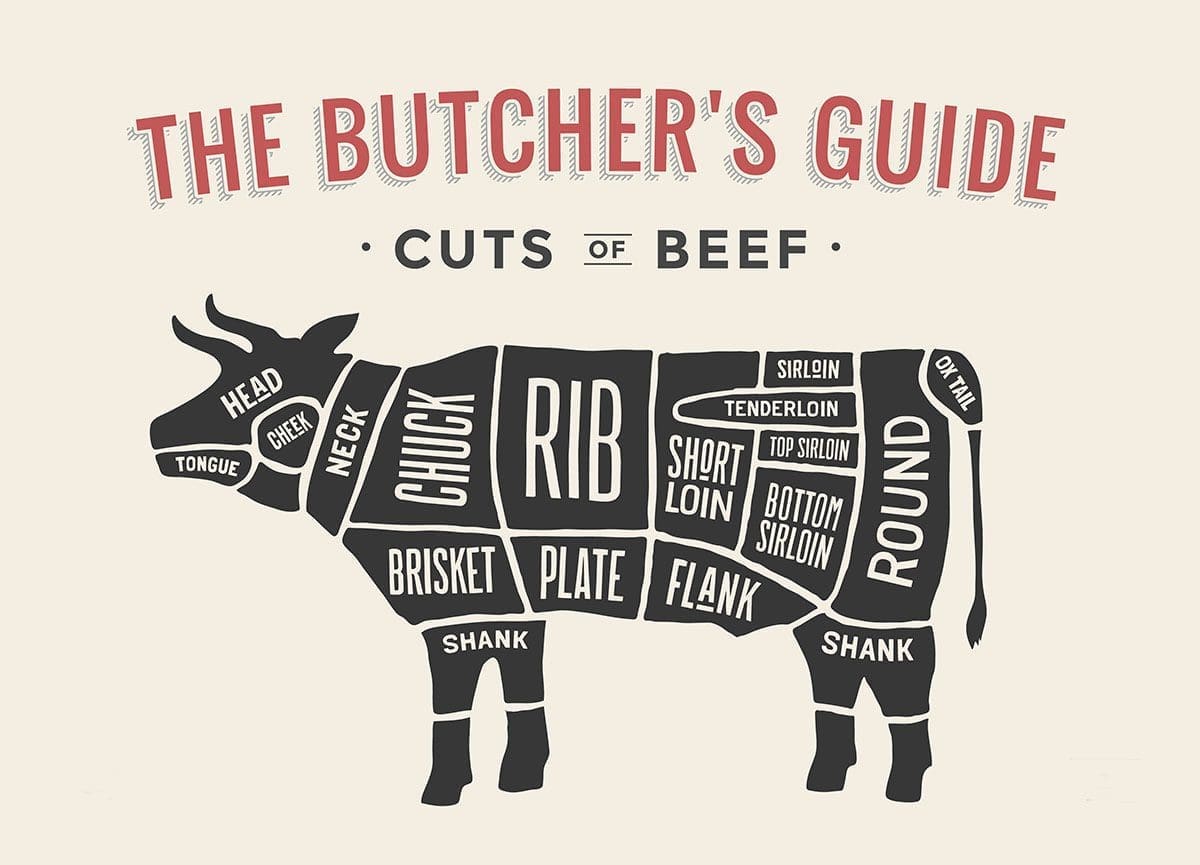
Understanding beef cuts is essential for choosing the right meat for your recipe. Whether you’re grilling steaks or making dishes like tacos, the cut you use matters. If you’re looking for inspiration, explore these taco recipes to see how different cuts are used in real dishes.
In this ultimate guide to beef cuts, you’ll learn where each cut comes from, how tender it is, and the best cooking methods for every type of beef.
Ready to cook steak with confidence? Once you’ve chosen the right cut, learn exactly how to grill, pan-sear, reverse sear, sous vide, and smoke steak in my complete How to Cook Steak guide. It covers temperatures, doneness, resting, slicing, and the best cooking method for every steak.
Check out my articles on “the most tender cuts of beef” and “how to tenderize beef” for tips on choosing the best cuts and achieving perfectly tender, flavorful results every time.
Quick Links To Guides on Individual Cuts


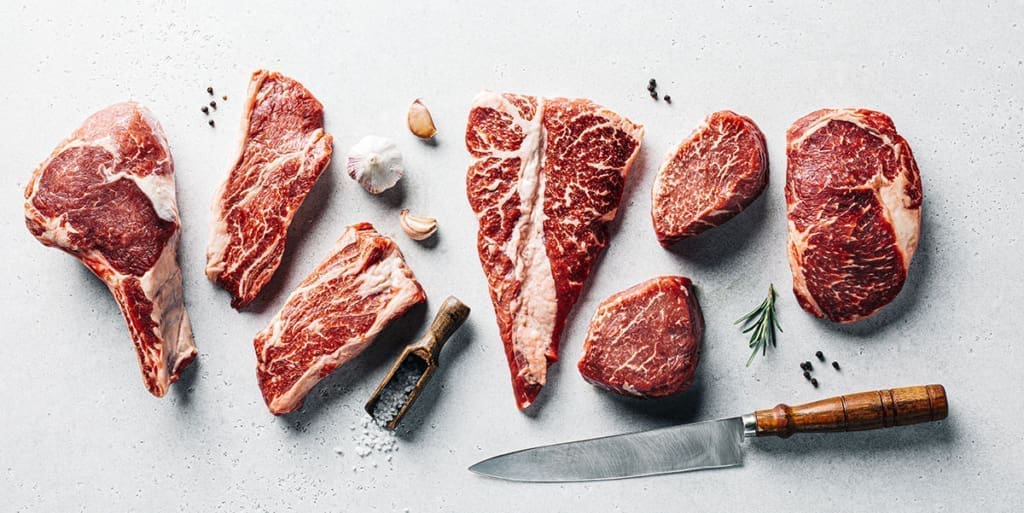
Beef Primal Cuts Overview
Beef is divided into large sections called primal cuts. These are then broken down into smaller, more familiar cuts you see at the grocery store.
The 8 primary beef cuts are:
- Chuck
- Rib
- Loin
- Round
- Brisket
- Plate
- Flank
- Shank
Each section varies in tenderness, fat content, and ideal cooking method. Learn exactly how to cook these cuts in my complete How to Cook Steak guide.
Choosing the right cut is only the beginning. Once you’ve decided on ribeye, strip steak, filet mignon, flank steak, or another favorite, visit my Best Wine With Steak guide to learn which wines pair best with each cut, cooking method, and sauce.
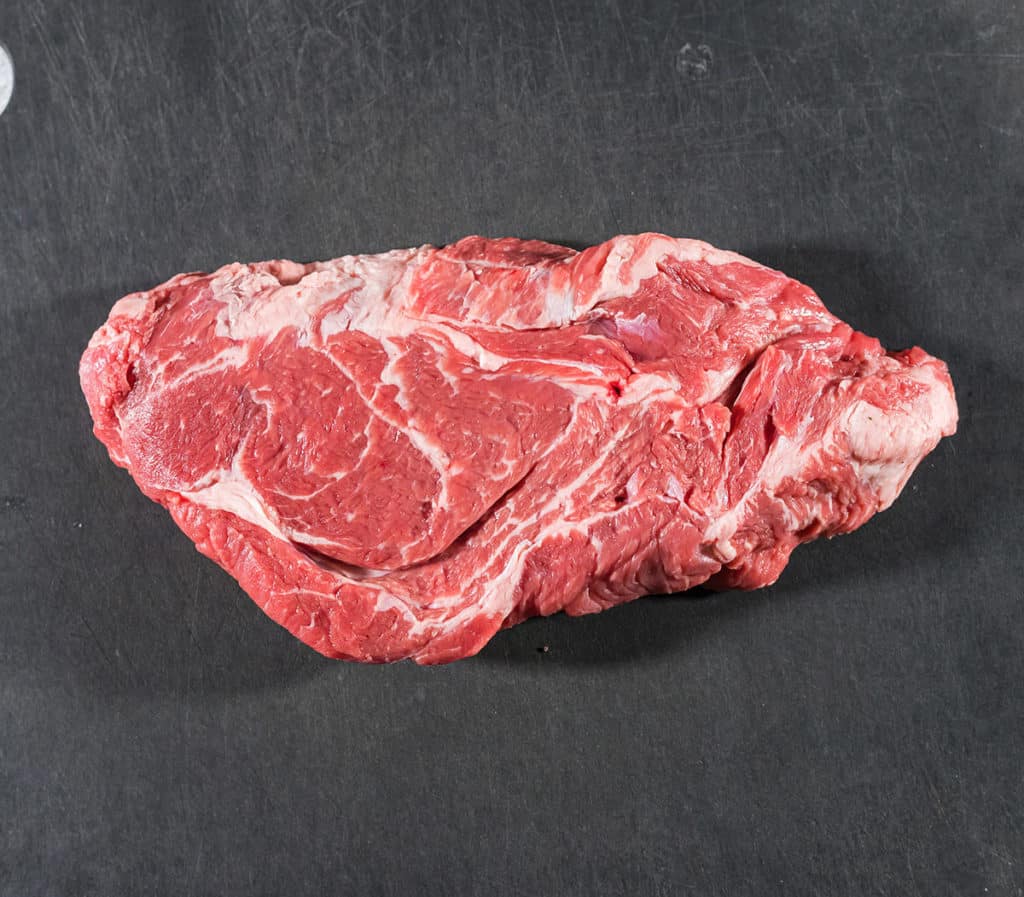
Chuck (Shoulder)
Best for: Slow cooking, braising, ground beef
Texture: Tough but flavorful
Chuck comes from the shoulder area and is known for its rich beefy flavor. Because it gets a lot of movement, it’s tougher and benefits from low-and-slow cooking. It’s one of the best beef cuts for slow cooking.
As it cooks low and slow, the collagen breaks down into gelatin, creating rich flavor and that signature fall-apart texture people want in a pot roast. It’s also one of the best budget-friendly beef cuts, which makes it ideal for family meals, such as a French Dip Sandwich.
It’s perfect for dishes like Chuck Roast In The Oven, Chuck Roast on The Smoker, Sous Vide Cooked Chuck Roast, and Mexican Shredded Beef.
Chuck roast is also one of the best options when you want tender, fall-apart beef for shredded beef tacos, shredded beef burritos, birria, and other slow-cooked recipes. If you’re unsure which roasts work best, see this guide to the best cuts for shredded beef.
For more details, see this full guide on how to cook chuck roast.
Popular Chuck Cuts
- Chuck roast
- Shoulder steak
- Flat iron steak
- Ground beef
This cut also includes hidden gems like Denver steak and Teres Major Steak, which are surprisingly tender despite coming from the shoulder.
Cooking Tips
- Perfect for pot roast and stews
- Great for shredding after slow cooking
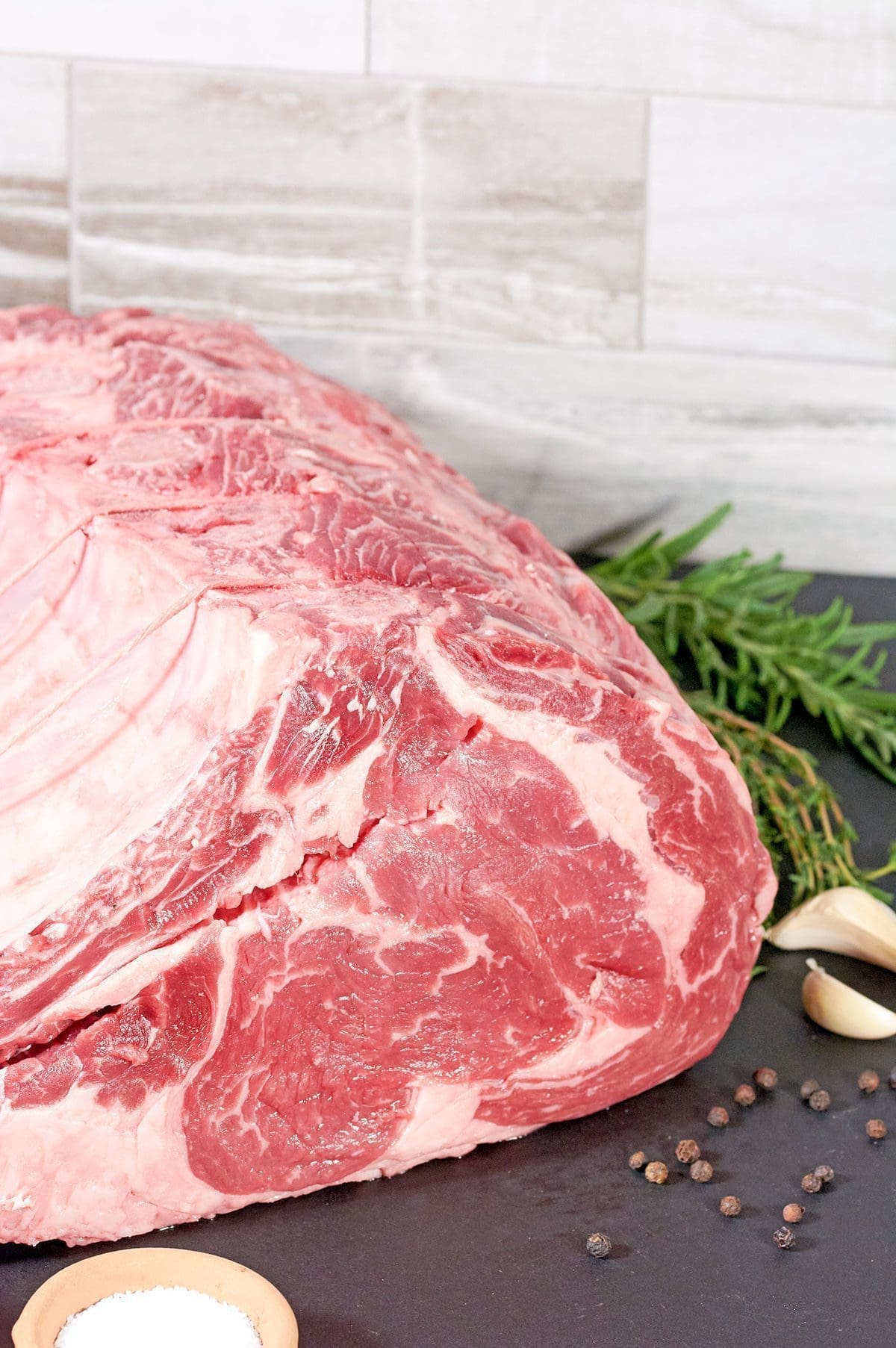
Rib
Best for: Grilling, roasting
Texture: Tender and well-marbled
The rib section is where you’ll find some of the most flavorful and tender cuts of beef, including standing rib roast (a.k.a prime rib) and ribeye steaks.
Popular Rib Cuts
- Ribeye steak
- Prime rib recipes
- Back ribs
Cooking Tips
- Ideal for high-heat cooking
- Minimal seasoning needed due to rich marbling
Once you’ve chosen a rib cut, the next decision is what to pour alongside it. My guide to the best wine with steak explains why Cabernet Sauvignon is the classic choice, along with other excellent pairings for ribeye, strip steak, filet mignon, and more.

Loin
Best for: Grilling, pan-searing
Texture: Very tender
The loin produces some of the most premium cuts of beef. Learn more about strip steak vs ribeye and ribeye vs prime rib to choose the best steak for your meal.
Popular Loin Cuts
- Brazillian Picanha with Chimichurri Sauce (Top sirloin cap)
- Tri Tip Roast (Guide to cooking tri tip)
- Tenderloin (Filet mignon)
- Bife de Chorizo (New York strip)
- T-bone steak
- Porterhouse steak
Cooking Tips
- Cook quickly over high heat
- Avoid overcooking to preserve tenderness
If you’re looking for the best beef cuts to grill, here the list of Best Steaks For Grilling.

Round (Rear Leg)
Best for: Roasting, slicing thin
Texture: Lean and firm
Round cuts are leaner and less tender but still flavorful when cooked properly. These cuts are commonly used in homemade roast beef recipes.
Popular Round Cuts
- Top round roast
- Bottom round roast
- Eye of round
Cooking Tips
- Best when cooked low and slow or sliced thin
- Ideal for roast beef sandwiches
Round is one of the most common choices for roast beef, but sandwiches can be made with everything from chuck and brisket to leftover prime rib. Browse my beef sandwich recipes for French dips, roast beef sandwiches, cheesesteaks, sliders and more.
Brisket
Best for: Smoking, braising
Texture: Tough but rich
Cooking Tips
- Low and slow is key
- Perfect for smoking or braising
- Common in Texas BBQ and corned beef
Would you like to save this?
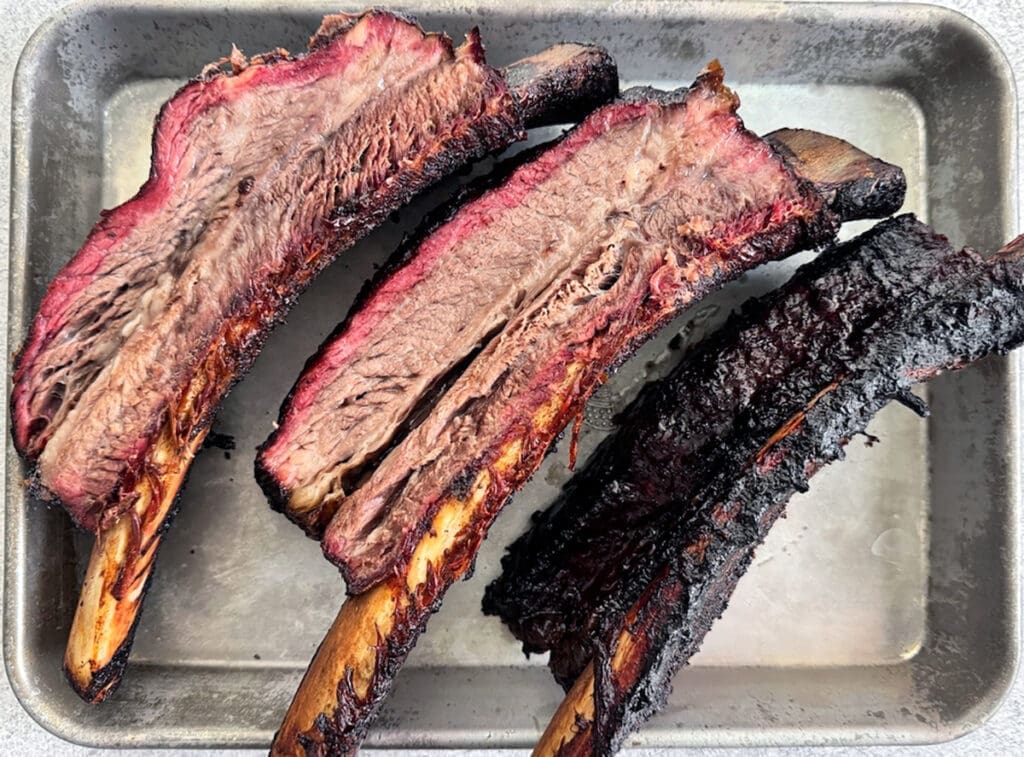
Plate
Best for: Grilling, short ribs
Texture: Fatty and flavorful
The plate section contains cuts with high fat content, making them juicy and rich.
Popular Plate Cuts
Cooking Tips
- Great for fajitas with steak and Korean BBQ
- Cook quickly over high heat
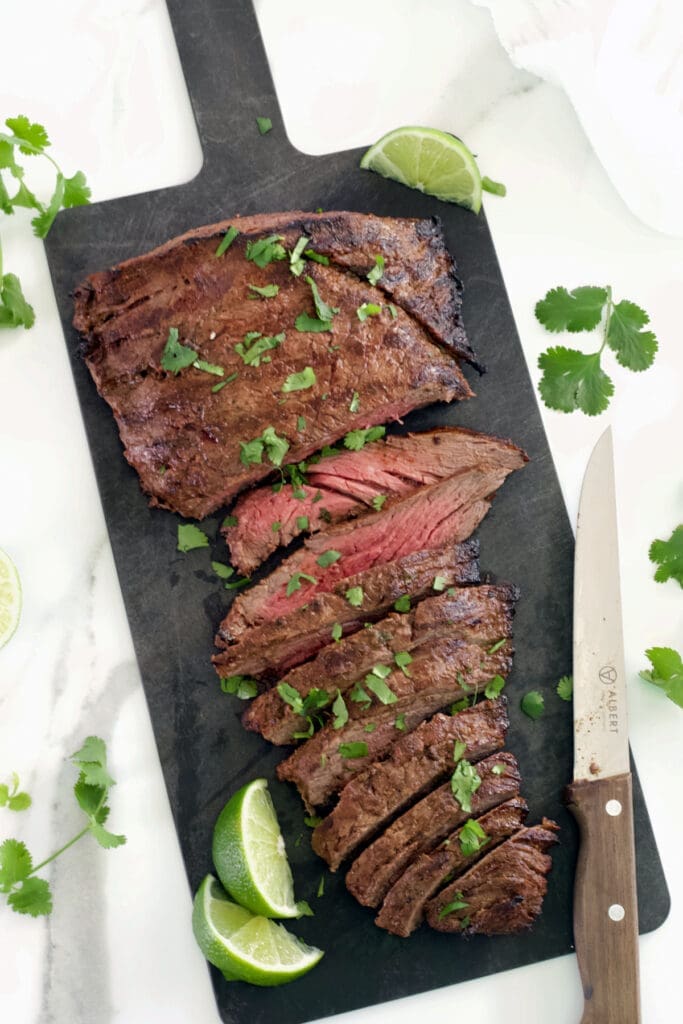
Flank
Best for: Grilling, marinating
Texture: Lean and fibrous
Flank steak is known for its strong grain and bold flavor. It works great in dishes like carne asada recipes. Learn more about Flank Steak, including the best cooking methods, marinades, temperatures, and slicing techniques
Popular Flank Cuts
- Flank steak
Cooking Tips
- Always slice against the grain
- Marinate for best results
If you’re deciding between flank and skirt, see this comparison of skirt steak vs flank steak. Both these beef cuts are also commonly used in Mexican-inspired recipes like carne asada, tacos, burritos, and grilled steak platters. For more recipes, sauces, sides, and grilling ideas, explore the Ultimate Mexican Food Guide.
Shank
Best for: Braising, soups
Texture: Very tough with connective tissue
Shank is often used in dishes that require long cooking times like osso buco.
Popular Shank Cuts
- Cross-cut shank (Osso Buco)
Cooking Tips
- Ideal for soups and stews
- Collagen breaks down into rich, silky texture

Best Cooking Methods for Beef Cuts
- Tender cuts (rib, loin): Grill, pan-sear
- Tough cuts (chuck, brisket): Slow cook, braise
- Lean cuts (round, flank): Roast or marinate and grill
Beef Cuts Chart (Quick Reference)
| Cut | Tenderness | Best Cooking Method |
|---|---|---|
| Chuck | Tough | Slow cook, braise |
| Rib | Tender | Grill, roast |
| Loin | Very tender | Grill, sear |
| Round | Lean | Roast, slice thin |
| Brisket | Tough | Smoke, braise |
| Plate | Fatty | Grill |
| Flank | Lean | Marinate, grill |
| Shank | Very tough | Braise |

Tips for Choosing the Right Beef Cut
- Look for marbling for flavor and tenderness
- Match the cut to your cooking method
- Don’t overspend on premium cuts for slow cooking
Learning beef cuts helps you cook smarter, save money, and get better results in the kitchen. If you’re planning your next meal, check out easy beef dinner recipes for inspiration.
If you’re just getting started, choosing the right cut makes all the difference. Check out my guide to the best cuts of beef for beginners to learn which options are easiest to cook and hardest to mess up.
Temperature Guides By Beef Cuts
Here are a few free downloadable and printable temperature charts: