

DIY Spice Blends
Discover the best homemade seasoning blends, dry rubs, and spice mix recipes for steak, tacos, BBQ, chicken, seafood, holidays, and more. Easy DIY seasonings for grilling, smoking, roasting, and everyday cooking.
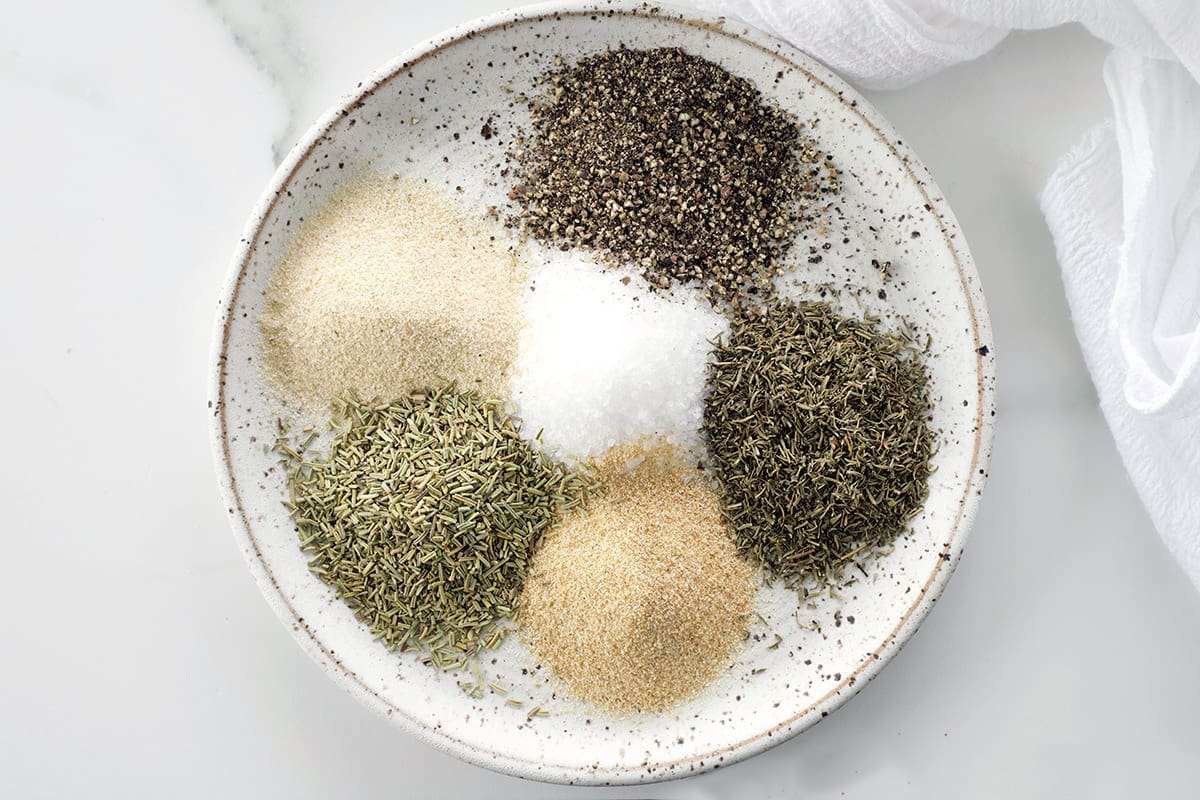
Looking for the best homemade seasoning blends, spice mixes, and dry rub recipes? You’re in the right place. From steak rubs and taco seasoning to BBQ rubs, holiday blends, and all-purpose seasonings, these easy homemade spice mixes help you add bold flavor to beef, chicken, pork, seafood, vegetables, and more.
Making your own seasoning blends is simple, affordable, and customizable. You can control the salt level, adjust the heat, skip additives, and build a pantry of DIY seasonings that work across multiple recipes. Whether you’re grilling steaks, smoking brisket, roasting prime rib, or making tacos, choosing the right seasoning starts with understanding the cut of beef you’re cooking. This Ultimate Guide to Beef Cuts breaks down the best cuts for grilling, smoking, roasting, braising, and more.

Jump To:
- Beef Seasonings & Steak Rubs
- Mexican & Taco Seasonings
- BBQ, Grill & All-Purpose Rubs
- Regional & Specialty Spice Blends
- Holiday Rubs & Seasonal Blends
- Baking & Pantry Spice Mixes
- How to Use Homemade Spice Blends
- How to Make Homemade Spice Blends
- How to Store Homemade Spice Blends
- All Spice Blend Recipes
- Frequently Asked Questions
Beef Seasonings & Steak Rubs
If you cook a lot of beef, these seasoning blends are some of the most useful to keep on hand. They work well for steaks, tri tip, prime rib, burgers, roasts, and other beef recipes where you want bold flavor without overcomplicating the prep.
For everyday steaks, the Steak Rub, Texas Roadhouse Steak Seasoning, and Montreal Steak Seasoning are easy blends to keep on hand for ribeye, New York strip, sirloin, and recipes like Baked Filet Mignon.
The Santa Maria Seasoning is especially useful for baked tri tip recipe, and California-style barbecue meals like this Smoked Tri Tip.
Some cuts naturally benefit more from simple seasoning blends because of their marbling and tenderness. If you’re comparing ribeye, filet mignon, strip steak, or prime rib, this guide to the Most Tender Cuts of Beef explains which cuts are naturally the softest and best for high-heat cooking methods.
For St. Patrick’s Day or homemade corned beef, the Corned Beef Spices blend brings together the warm, savory spices needed for classic corned beef flavor.
Beef rubs often include pantry spices like kosher salt, black pepper, garlic powder, onion powder, paprika, mustard powder, brown sugar, chili powder, and dried herbs. These ingredients help build a flavorful crust, balance richness, and bring out the natural flavor of the meat.




Best Uses for Beef Seasonings
- Steaks
- Tri tip
- Prime rib
- Roast beef
- Burgers
- Brisket
- Beef tenderloin
Use these blends with your favorite beef recipes, baked tri tip recipe, or prime rib guide. Homemade beef rubs also work especially well on affordable roasts like Chuck Roast in the Oven, and sous vide chuck roast.
Tougher cuts like brisket, chuck roast, flank steak, and skirt steak often benefit from both strong seasoning blends and proper preparation techniques. If you’re working with leaner or more affordable cuts, this How to Tenderize Beef guide explains how marinating, salt, baking soda, and slow cooking can dramatically improve texture and flavor.

Mexican & Taco Seasonings
These spice blends are perfect for Mexican shredded beef, tacos, taco bowls, carne asada, carnitas, grilled chicken, and party-style meals. If you’re building out your Mexican recipe cluster, this is one of the strongest sections on the page.
For taco night, the classic Taco Seasoning works well with ground beef, turkey, chicken, beans, and taco bowls. If you’re making chicken tacos, the Chicken Taco Seasoning adds the right balance of chili powder, cumin, garlic, and paprika without overpowering the meat.
The Carne Asada Seasoning pairs perfectly with Carne Asada Tacos, nachos, burritos, and recipes like Mexican Street Tacos, and Carne Asada Nachos.
The Carnitas Seasoning is ideal for pork shoulder, Mexican carnitas, crispy pork tacos, and Mexican-inspired party meals.
Mexican-inspired seasoning blends commonly use chili powder, cumin, smoked paprika, garlic powder, onion powder, oregano, cayenne pepper, crushed red pepper flakes, and kosher salt. These spices add warmth, earthiness, color, and just the right amount of heat.


Best Uses for Taco Seasonings
- Ground beef tacos
- Chicken tacos
- Carne asada
- Carnitas
- Taco bowls
- Nachos
- Sheet pan fajitas
Use these blends in your taco recipes, carne asada recipes, or Mexican recipes guide.

BBQ, Grill & All-Purpose Rubs
These are versatile blends that work across multiple proteins and cooking methods. They’re especially useful for grilling, smoking, roasting, and meal prep.
The BBQ Rub is a great all-purpose option for ribs, pork shoulder, BBQ Chicken Thighs, grilled vegetables, and barbecue-style dinners. If chicken is on the menu, the Smoke Rub for Chicken adds smoky, savory flavor to chicken thighs, wings, drumsticks, and whole smoked chicken.
For bold island-inspired flavor, the Jamaican Jerk Seasoning works well on grilled chicken, shrimp, pork, and vegetables. If you’re cooking lamb chops, roasted lamb, or Mediterranean-inspired meals, the Lamb Seasoning brings the herbs and spices that pair best with rich lamb flavor.
BBQ rubs and grilling seasonings often combine sweet, smoky, salty, and savory ingredients like brown sugar, smoked paprika, chili powder, garlic powder, onion powder, black pepper, mustard powder, and cayenne pepper.


Best Uses for BBQ and Grilling Rubs
- Smoked chicken
- Pork shoulder
- Ribs
- Grilled vegetables
- Tri tip
- Chicken wings
- Lamb chops
The BBQ Rub works especially well on ribs, pulled pork, smoked chicken, and recipes like 3-2-1 Ribs, Smoked Chicken Thighs, and Pork Belly Burnt Ends.
The BBQ Rub and steak seasonings also work well on smoked beef recipes like Chuck Roast on the Smoker, where longer cooking times help develop deeper flavor.

Regional & Specialty Spice Blends
If you want to branch out from standard steak and taco seasoning, these blends bring bold regional flavor and can instantly change the direction of a meal.
The Cajun Seasoning is a great choice for blackened chicken alfredo, shrimp, fish, roasted potatoes, pasta, and grilled vegetables. It also works especially well in Louisiana-inspired dishes like Red Beans and Rice, where bold spices help build rich Southern flavor.
For a slightly more herb-forward Louisiana-style flavor, this Creole Seasoning and blackening seasoning, works well in soups, seafood dishes, rice recipes, and skillet meals.
For a simple finishing blend, Truffled Salt adds rich, earthy flavor to fries, popcorn, pasta, eggs, steak, roasted vegetables, and mashed potatoes. It’s less of a traditional dry rub and more of a specialty seasoning that can instantly make simple dishes feel more elevated.
Regional spice blends often lean on signature ingredients like paprika, cayenne, thyme, oregano, garlic powder, onion powder, white pepper, black pepper, and specialty salts. These blends are a great way to add variety without changing your entire meal plan.


Best Uses for Regional Spice Blends
- Blackened chicken
- Shrimp
- Grilled fish
- Roasted potatoes
- Steak fries
- Pasta
- Popcorn

Holiday Rubs & Seasonal Blends
Some seasoning blends are especially useful during the holidays, when you’re cooking larger cuts of meat and planning menus around a centerpiece dish.
The Prime Rib Rub is one of the most popular blends because it pairs well with Christmas dinner, special occasion roasts, and classic beef centerpieces. For Thanksgiving, the Turkey Rub adds savory herb flavor to roasted turkey, smoked turkey, and turkey breast.
The Corned Beef Spices blend is especially useful for St. Patrick’s Day, corned beef and cabbage, and slow-cooked brisket recipes. Keeping these seasonal blends grouped together makes it easier to plan seasonal menus around a main dish.
Holiday rubs often include savory herbs and spices like rosemary, thyme, sage, garlic powder, onion powder, black pepper, paprika, and kosher salt. These blends pair well with roast meats, gravy, stuffing, potatoes, and seasonal side dishes.
Best Uses for Holiday Rubs
- Prime rib
- Turkey
- Roast chicken
- Beef tenderloin
- Corned beef
- Potatoes
- Roasted vegetables
These seasoning blends pair especially well with Christmas recipes, Smoked Turkey, Smoked Turkey Breast, and Double Smoked Ham.

Baking & Pantry Spice Mixes
While your site leans savory, these pantry blends are still helpful seasonal resources to keep grouped on the page rather than leaving them isolated in the feed.
The Apple Pie Spice and Pumpkin Pie Spice are useful during fall baking season when you need warm spices like cinnamon, nutmeg, ginger, cloves, and allspice. They’re especially helpful for pies, muffins, breads, oatmeal, pancakes, and holiday desserts.
On the savory side, the Chicken Gravy Mix and Au Jus Gravy Mix are practical pantry staples for roast dinners, French dip sandwiches, mashed potatoes, poultry recipes, and make-ahead holiday meals.
Pantry spice mixes are especially useful around holiday cooking, baking, roast dinners, and meal prep because they save time and help keep flavor consistent.


Best Uses for Pantry Spice Mixes
- Apple pie
- Pumpkin pie
- Roast chicken
- Holiday gravy
- Mashed potatoes
- Fall desserts
The Turkey Rub and homemade gravy mixes are especially useful for Thanksgiving recipes, French dip sandwiches, make-ahead sides, and holiday dinner planning.
Why Homemade Seasoning Blends Are Better
Homemade rubs give you more control over flavor, salt, sugar, and spice level than most store-bought mixes. You can make them smoky, spicy, savory, sweet, or salt-free depending on the recipe and your personal taste.
They’re also a great way to use pantry spices you already have on hand. Instead of buying separate packets for tacos, steak, BBQ, turkey, or roasts, you can make small batches of homemade spice blends and adjust them for different meals.
Homemade blends often taste fresher because you control when they’re mixed and how they’re stored. Keep them in airtight jars, label them with the date, and you’ll always have easy seasonings ready for weeknight dinners, grilling, smoking, roasting, and holiday cooking.

How to Use Homemade Spice Blends
Spice mixes are one of the easiest ways to build flavor fast. Keep a few core blends on hand for beef, tacos, chicken, and grilling, then use them across multiple meals throughout the week.
If you’re newer to cooking beef, starting with easier cuts can make homemade blends more forgiving and easier to experiment with. This guide to the Best Cuts of Beef for Beginners explains which cuts work best for grilling, roasting, smoking, and weeknight dinners.
As a general rule, start with 1 to 2 tablespoons of seasoning per pound of meat, then adjust to taste. For larger roasts like prime rib, turkey, pork shoulder, or brisket, coat the outside generously so the seasoning can help form a flavorful crust.
| Protein / Dish | Suggested Seasoning Amount | Best Uses |
|---|---|---|
| Steak | 1 tablespoon per pound | Ribeye, filet mignon, NY strip, sirloin |
| Tri Tip | 1–2 tablespoons per roast | Smoked tri tip, grilled tri tip, Santa Maria seasoning |
| Prime Rib | 1 tablespoon per pound | Prime rib roast, standing rib roast |
| Brisket | 2 tablespoons per pound | Smoked brisket, BBQ beef |
| Chuck Roast | 1–2 tablespoons per roast | Pot roast, shredded beef, smoked chuck roast |
| Chicken Breasts | 1 tablespoon per pound | Grilled chicken, baked chicken |
| Chicken Wings | 1 tablespoon per 2 pounds | Smoked wings, grilled wings |
| Whole Chicken | 2–3 tablespoons per chicken | Smoked whole chicken, roasted chicken |
| Pork Shoulder | 2 tablespoons per pound | Pulled pork, smoked pork shoulder |
| Pork Ribs | 1–2 tablespoons per rack | Baby back ribs, spare ribs |
| Turkey | 2–4 tablespoons per turkey | turkey, smoked turkey |
| Seafood | 1–2 teaspoons per pound | Shrimp, salmon, white fish |
| Roasted Vegetables | 1–2 teaspoons per pound | Potatoes, carrots, cauliflower, mushrooms |
| Popcorn / Fries | To taste | Truffle salt, Cajun seasoning |
Use taco seasoning for ground meat, taco bowls, and nachos; steak rubs for grilled beef and roasts; BBQ rubs for smoking and grilling; and pantry blends for baking, gravies, and seasonal recipes. Once you have a few homemade spice mixes ready, it becomes much easier to build flavorful dinners without reaching for store-bought packets.

How to Make Homemade Spice Blends
Homemade seasoning blends are easy to make with basic pantry spices and a few measuring spoons. Start by combining dried spices in a small mixing bowl, then whisk or stir until evenly combined.
If you want deeper flavor, try grinding whole spices like black peppercorns, coriander seeds, cumin seeds, or dried herbs before mixing them into the blend. Freshly ground spices often produce stronger aroma and more vibrant flavor because essential oils begin dissipating once spices are pre-ground.
Most homemade spice blends can be doubled or tripled for meal prep, holiday cooking, grilling season, or make-ahead dinners. Store the finished seasoning immediately in airtight containers to help preserve freshness.
Many blends can be made in larger batches and stored for quick weeknight dinners, grilling season, or holiday cooking prep.

How to Store Homemade Spice Blends
Store homemade blends in airtight spice jars or small glass containers in a cool, dry place away from direct sunlight. A pantry, cabinet, or spice drawer works best.
For best flavor, use homemade spice blends within 3 to 6 months. They may last longer, but ground spices slowly lose potency over time. Label each jar with the blend name and date so you know when it was made.
Proper storage is especially important for blends like BBQ Rub and Cajun Seasoning, where spices like paprika and garlic powder can lose potency over time.
All Spice Blend Recipes
Browse all of the homemade spice mix recipes, dry rubs, and pantry seasoning recipes below. These recipes are easy to make, simple to store, and useful across everyday dinners, grilling recipes, taco nights, and roast dinners.


Frequently Asked Questions
How long do homemade spice blends last?
Homemade spice blends are best used within 3 to 6 months for the strongest flavor. They may still be safe after that, but the spices will gradually lose potency.
What is the best way to store homemade seasoning blends?
Store homemade seasoning blends in airtight jars or containers in a cool, dry place away from heat, moisture, and sunlight.
What is the difference between a seasoning blend and a dry rub?
A seasoning blend is a mix of spices used to flavor food before, during, or after cooking. A dry rub is usually applied directly to meat before grilling, smoking, roasting, or searing to help create a flavorful crust.
Are homemade spice blends better than store-bought?
Homemade spice blends let you control the salt, sugar, spice level, and ingredients. They are also easy to customize for specific recipes, diets, or flavor preferences.
Can homemade seasoning blends be made without salt?
Yes. You can make most homemade seasoning blends without salt, then season the final dish separately. This is helpful if you want more control over sodium levels. Salt not only seasons the surface of meat but also helps retain moisture and improve browning during cooking. Kosher salt is preferred in most blends because the larger flakes distribute more evenly and are easier to control than table salt.
What spices should I keep on hand for homemade blends?
Good basics include kosher salt, black pepper, garlic powder, onion powder, paprika, smoked paprika, chili powder, cumin, oregano, thyme, rosemary, cayenne pepper, cinnamon, nutmeg, and brown sugar.
Can I use homemade spice blends on vegetables?
Yes. Many dry rubs and seasoning blends work well on roasted vegetables, grilled vegetables, potatoes, cauliflower, mushrooms, corn, and sheet pan dinners.
Can homemade spice blends be frozen?
Freezing is not usually necessary. Most spice blends keep well in airtight containers at room temperature. The most important thing is protecting them from moisture, heat, and sunlight.

Seasoning recipes are one of the easiest ways to make everyday meals, such as sous vide tri tip, taste better. Start with a few core blends for beef, tacos, and grilling, then build out your spice cabinet as you add more recipes to your rotation.